
When the Market Gives You Clarity, Respect It
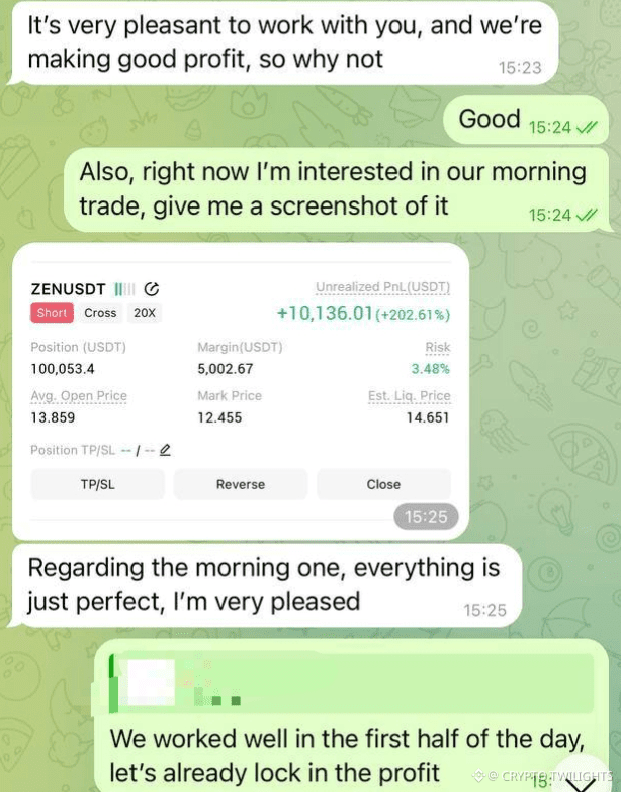
Every trader dreams of days when everything feels aligned. Price behaves cleanly. The setup plays out as expected. The numbers on the screen confirm what the analysis suggested hours earlier. These moments feel rewarding—not because of the profit alone, but because they validate discipline, patience, and preparation.
The image above captures one of those moments. A morning trade, well planned, well executed, and sitting comfortably in profit. The conversation around it is calm. There’s no rush, no panic, no overexcitement. Just acknowledgment: things are working well.
That calmness is not accidental. It’s the result of experience.
---
Morning Trades Set the Tone
How you trade in the first half of the day often shapes your entire session. Morning trades test your clarity. Your mind is fresh, but the market can be deceptive. Volatility can look like opportunity, and impatience can sneak in disguised as confidence.
When a morning trade goes according to plan, it does two important things:
1. It builds trust in your process
2. It tempts you to do more than necessary
The second point is where many traders go wrong.
A strong start doesn’t mean you need to push harder. In fact, it often means the opposite.
---
Unrealized Profit Is a Responsibility
Seeing a large unrealized profit on the screen changes behavior. Some traders become careless. Others become fearful. Both reactions come from the same place: attachment.
Unrealized profit is not a reward yet—it’s a responsibility. It demands protection, not celebration.
In the screenshot, the response is simple: “Everything is just perfect.” That statement doesn’t mean “let’s get greedy.” It means the trade has reached a state where risk is no longer justified relative to reward.
Knowing when enough is enough is one of the hardest skills in trading.
---
Locking Profit Is Not Weakness
There is a dangerous belief in trading communities that closing early is weak, that “real traders” hold until the absolute top or bottom. This mindset destroys accounts quietly.
Professional traders don’t aim for perfection. They aim for consistency.
Locking in profit after a clean move is not fear—it’s respect for the market. Markets don’t owe continuation. They don’t care how good your position looks. They only care about liquidity and imbalance.
When the first half of the day delivers, protecting capital becomes more important than chasing more.
---
Emotional Neutrality Is the Real Win
Notice the tone of the conversation. There’s no hype. No exaggerated excitement. No emotional language. This neutrality is a sign of growth.
Emotional neutrality allows you to:
Close without regret
Continue without pressure
Stop without frustration
Most traders struggle not because their analysis is wrong, but because their emotions hijack good decisions.
When you can look at a profitable trade and calmly say, “Let’s lock it,” you’re operating from logic, not ego.
---
Why “Working Well” Matters More Than “Big Profit”
The phrase “we’re working well” is more important than the profit number itself. It suggests alignment between plan and execution.
A trade can make money and still be bad if it breaks rules. A trade can make less money and still be excellent if it follows the process.
Long-term success comes from repeating good behavior, not from chasing impressive screenshots.
When you focus on whether things are working correctly, profit becomes a side effect—not a goal you chase emotionally.
---
Knowing When to Stop Is a Skill
Many traders give back morning profits by overtrading in the afternoon. Confidence turns into overconfidence. One extra trade becomes three. Small pullbacks feel like personal challenges.
Stopping after a strong first half of the day is a professional decision. It protects mental capital as much as financial capital.
Markets will open again tomorrow. Opportunities will return. Your capital must still be there to use them.
---
Clarity Comes From Preparation
Clean execution doesn’t happen by luck. It comes from:
Defined entry logic
Clear invalidation levels
Pre-accepted outcomes
When all these are in place, closing a trade becomes simple. There’s no debate. No inner conflict. The decision feels obvious.
That’s what clarity looks like in real trading—not flashy moves, but quiet confidence.
---
The Market Rewards Respect, Not Aggression
Aggressive traders burn out fast. Respectful traders last.
Respect shows up as:
Taking what the market gives
Not demanding more than conditions allow
Walking away when the edge fades
The moment you feel “very pleased” with execution is often the moment to step back, not push forward.
---
Final Thought
Trading is not about squeezing every possible dollar out of a move. It’s about making repeatable, rational decisions under uncertainty.
A good morning trade followed by a calm profit lock is not just a win for the account—it’s a win for mindset.
When you can say, “We worked well today” and mean it because the process was respected, you’re already ahead of most participants in the market.
The rest will take care of itself.
