
In Web3, the word decentralization usually occurs hand in hand with finance, but data is equally as crucial. How information is kept speaks to who can control it, who has access to it, and for how long. It is there that projects like @walrusprotocol silently shift the conversation. Instead of treating storage as an afterthought, Walrus approaches it as core infrastructure for a decentralized internet.
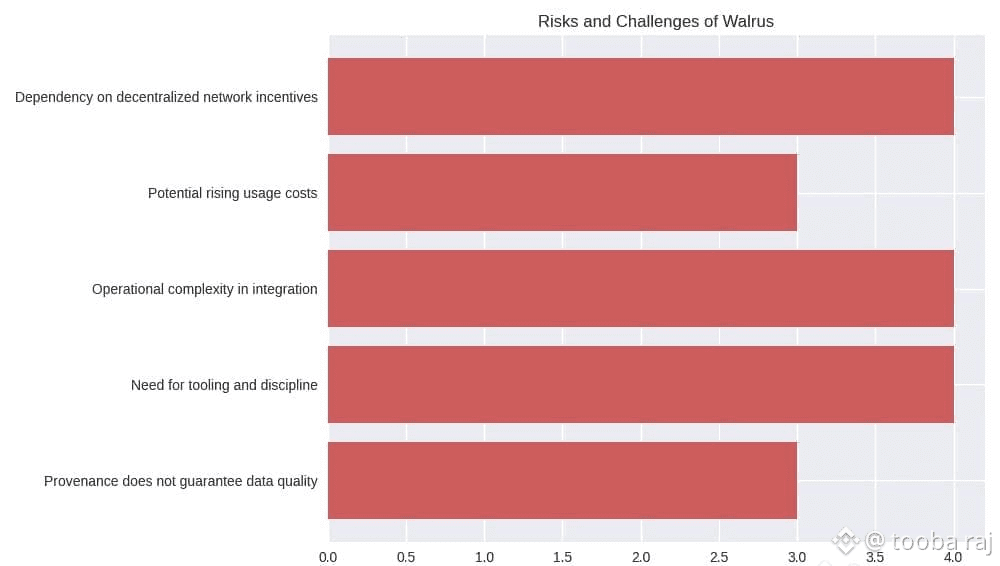
Walrus is built on the idea of data persistence, verifiability, and resistance to single points of failure. In a world where all applications rely on uptime and trustless access, storage cannot afford to rely on centralized servers or opaque systems. By designing a network which would distribute data across participants while preserving its integrity, Walrus aims to make information durable without sacrificing decentralization.
In this system, the role of $WAL goes beyond simple incentives. Participants who contribute storage and bandwidth are aligned with the long-term health of the network. As storage providers, developers, and users share an economic framework, the system self-amplifies in resilience and sustainability over time.
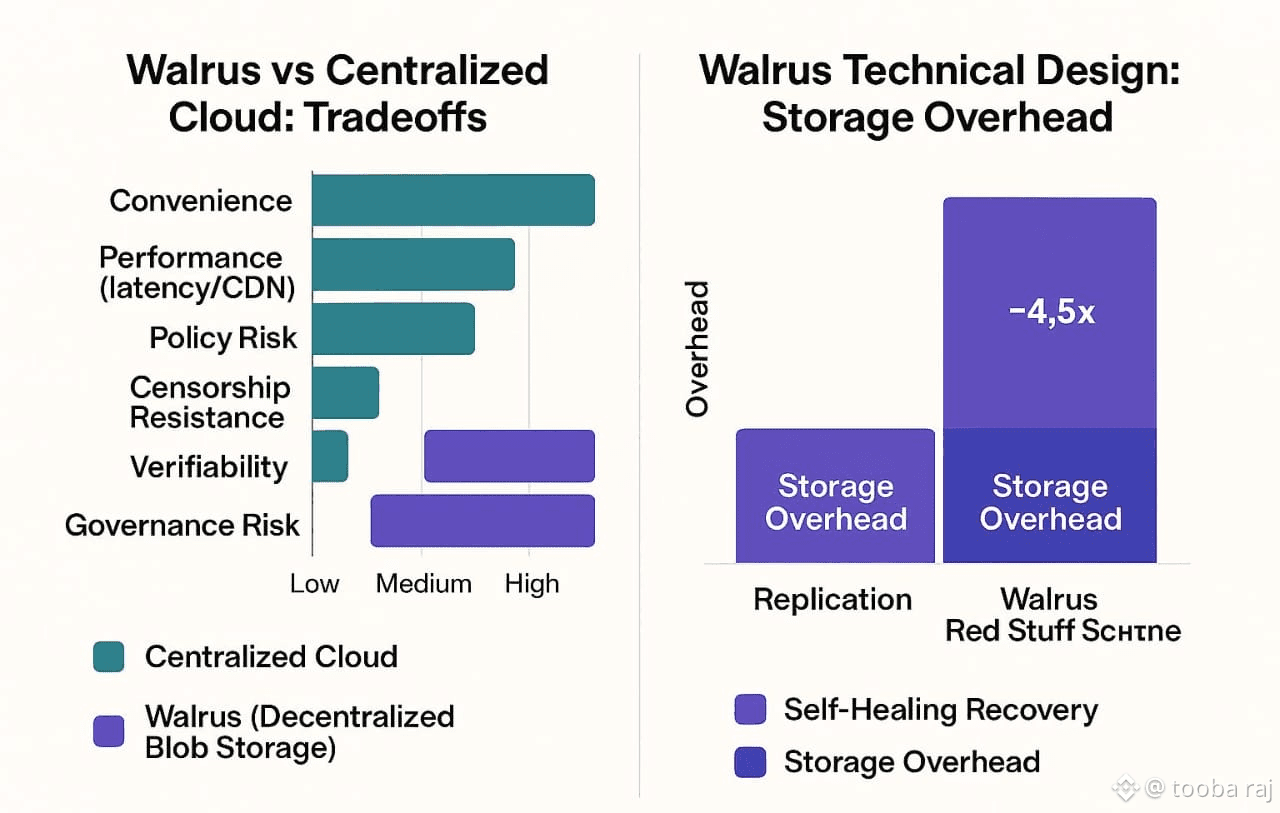
What is exciting about Walrus is not hype but relevance. As on-chain applications continue to grow and data-heavy use cases scale, decentralized storage becomes necessary rather than a nicety. Walrus positions itself as infrastructure that can quietly support that growth and let builders focus on their applications rather than where their data lives.
In that sense, Walrus reflects a broader shift in Web3-from experiments to dependable systems. Storage is not glamorous, but it's foundational. And foundations matter.

