A professional, realistic, and beginner-to-advanced friendly guide
Binance has grown far beyond a simple crypto exchange. Today, it operates as a complete financial ecosystem, offering multiple ways to generate income — both actively and passively. Many users fail not because opportunities don’t exist, but because they lack structure, patience, and risk awareness.
Below are five well-tested and realistic methods to make money on Binance. These are not hype-based tricks, but strategies used daily by traders, investors, and long-term holders worldwide.
1️⃣ Spot Trading – The Foundation of Crypto Profits
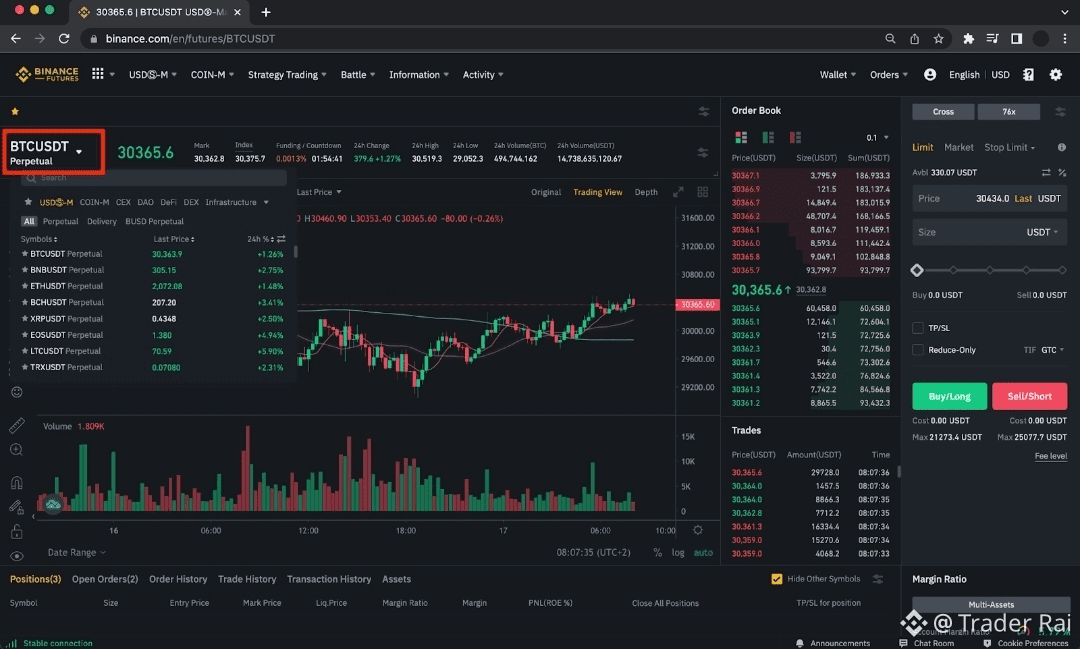
Spot trading is the most traditional and widely used way to make money on Binance. It involves buying a cryptocurrency at a lower price and selling it at a higher price.
What makes spot trading powerful is its simplicity and control. There is no liquidation risk, no leverage pressure, and no forced exits.
Successful spot traders focus on:
Strong projects with real demand
Market structure (higher highs, higher lows)
Buying during fear and selling during strength
Rather than chasing sudden pumps, professional traders wait patiently for pullbacks into key support zones. Over time, consistent spot trading builds discipline and capital — making it the backbone of most profitable crypto journeys.
2️⃣ Binance Earn – Turning Idle Capital into Passive Income
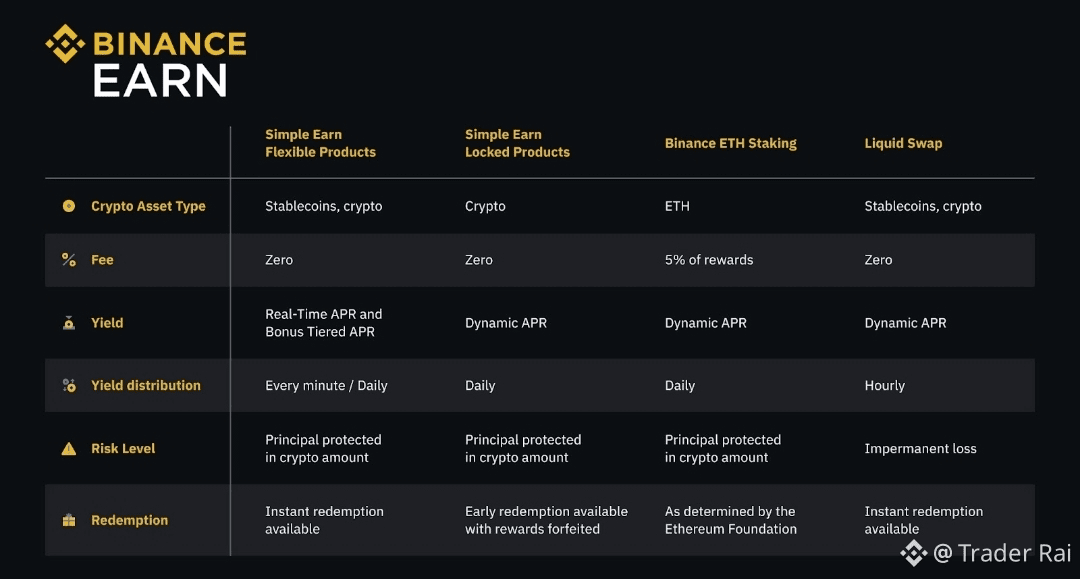
Not everyone wants to trade charts all day. Binance Earn is designed for users who prefer stable, low-effort returns.
Through Simple Earn, users can lock or flex assets like USDT, BNB, or stablecoins and earn daily rewards. This system allows your funds to work for you while remaining relatively low risk.
Key advantages include:
Predictable returns
No trading experience required
Daily or periodic payouts
For long-term holders, Binance Earn is especially effective. Instead of letting assets sit idle, users generate steady income while waiting for better market conditions.
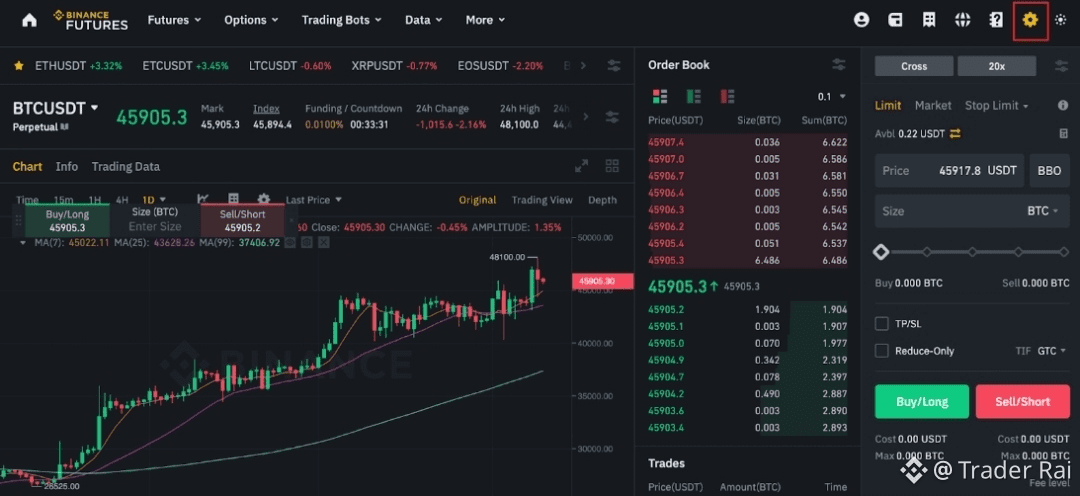
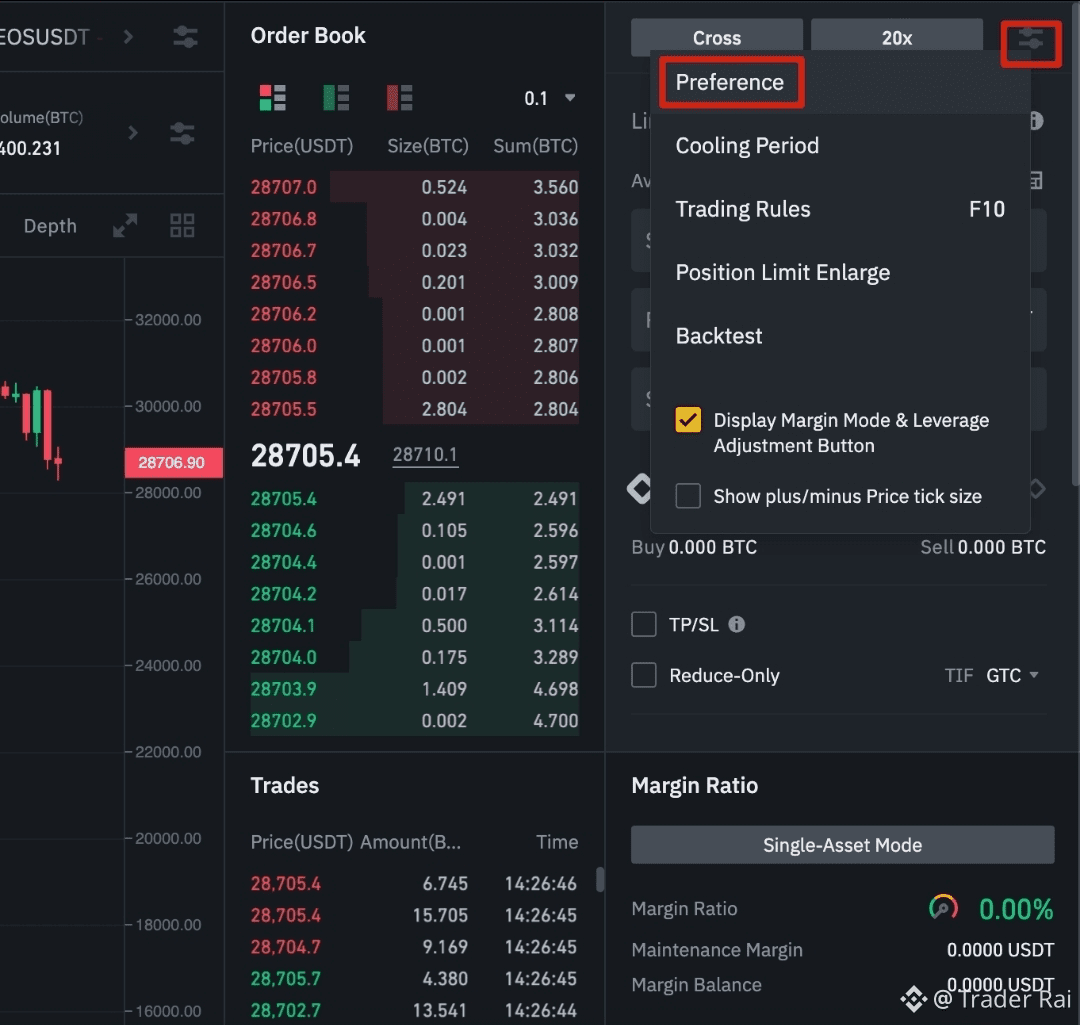
3️⃣ Futures Trading – Strategic Use of Market Volatility
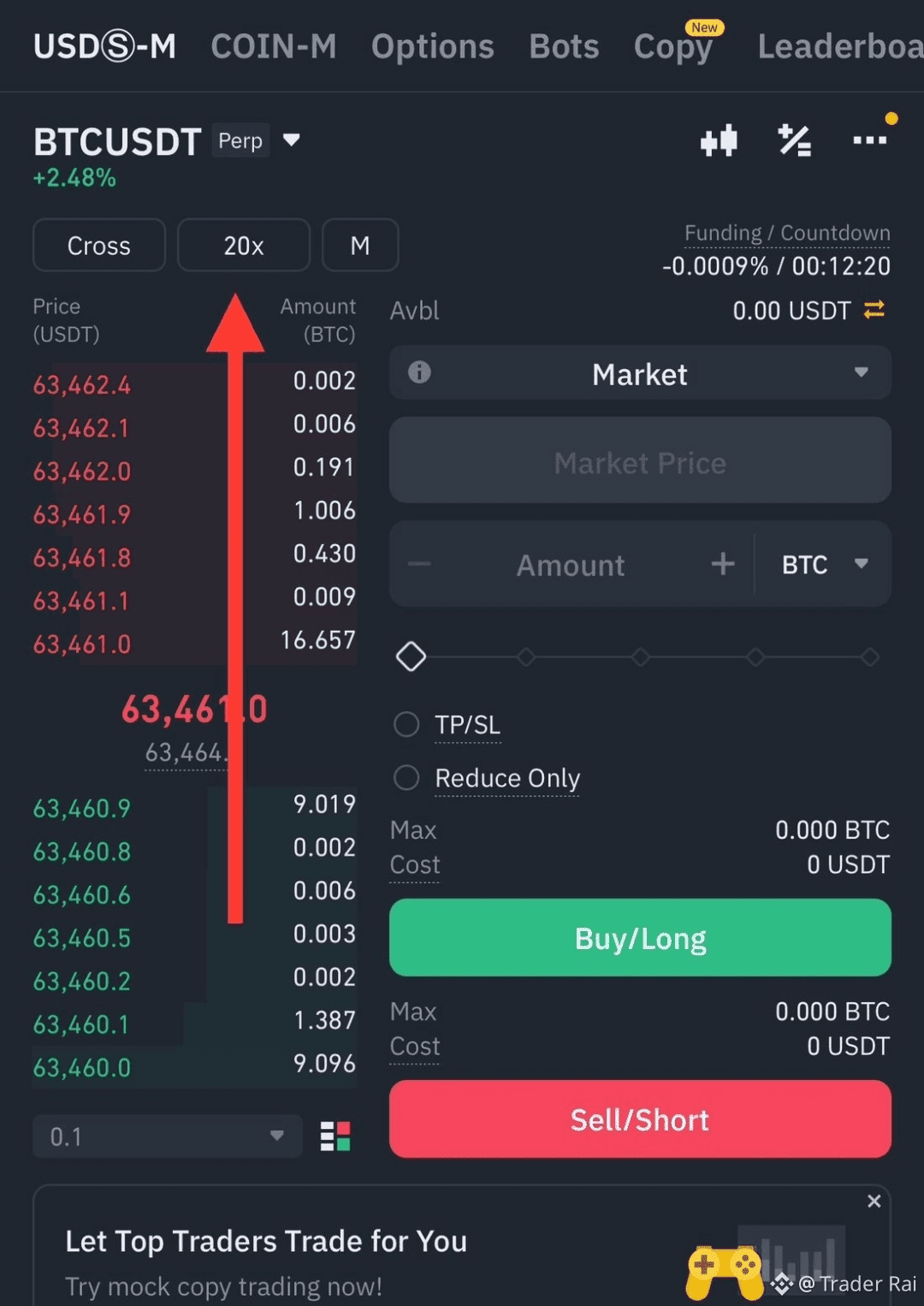
Futures trading allows users to profit from both rising and falling markets. This makes it attractive during high volatility periods when spot markets move slowly.
However, futures trading is not gambling when done professionally. Successful futures traders:
Use low leverage
Always define stop-loss levels
Trade based on structure, not emotion
Futures should be approached as a capital-efficient tool, not a shortcut to instant wealth. When combined with risk management and patience, it can significantly enhance overall returns.
4️⃣ Copy Trading – Leveraging Professional Experience
Binance Copy Trading enables users to automatically follow experienced traders. This is ideal for beginners who want exposure to the market without deep technical knowledge.
Instead of guessing entries, users mirror trades from verified traders with transparent performance records.
Why professionals respect this system:
Time-efficient
Educational (learn by observing real trades)
Risk adjustable per user
The key is selecting traders with consistent performance, controlled drawdowns, and realistic profit curves — not those chasing short-term hype.
5️⃣ Launchpad & Launchpool – Early-Stage Wealth Opportunities
Some of the most profitable crypto opportunities come before public hype begins. Binance Launchpad and Launchpool provide early access to new blockchain projects.
Launchpad allows participation in token sales
Launchpool lets users stake assets to earn new tokens for free
These methods reward patience and long-term thinking. Historically, many early Binance launches delivered strong post-listing performance, giving participants a significant edge over open-market buyers.
📌 Strategic Conclusion
Making money on Binance is not about luck, signals, or viral posts. It is about:
Choosing the right method for your risk tolerance
Staying consistent across market cycles
Protecting capital before chasing profits
A smart user often combines multiple methods — earning passively during slow markets, trading actively during volatility, and positioning early for long-term growth.
Those who survive the market are not the most aggressive — they are the most disciplined.