

BNB didn’t start as a “do-everything” crypto. When Binance launched BNB in 2017, the goal was simple: create a utility token that made using the exchange cheaper and smoother. Early on, BNB lived on Ethereum as an ERC-20 token and was mainly used for trading fee discounts. No grand narratives—just a practical incentive to use the platform.
That practicality is exactly why BNB survived and evolved.
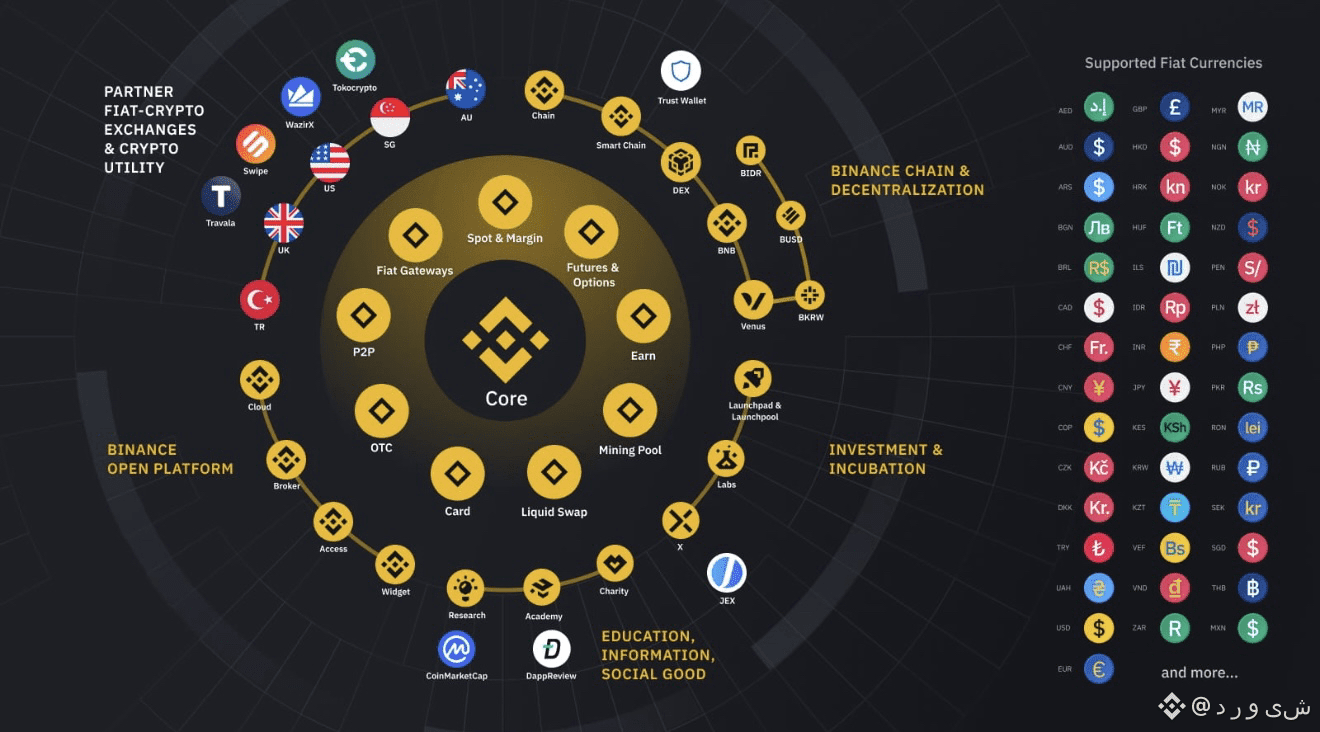
As Binance grew, the limitations of relying on another chain became obvious. Fees, speed, and flexibility mattered. So Binance built its own blockchain infrastructure, eventually leading to BNB Chain (previously Binance Chain and Binance Smart Chain). With that move, BNB stopped being “just” an exchange token and became the native fuel of an entire ecosystem.
How BNB Became More Than an Exchange Token
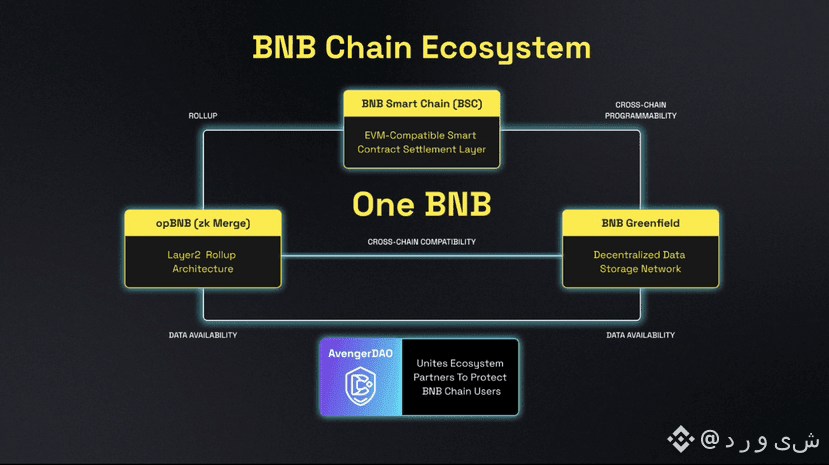
The real shift happened when smart contracts entered the picture. With Binance Smart Chain, developers could deploy DeFi apps, NFTs, games, and tools—while still enjoying low fees. BNB became the gas token for all of it: transactions, staking, governance, and on-chain activity.
This transition matters because it changed BNB’s value proposition. Its demand is no longer tied only to exchange trading volume, but to real on-chain usage across thousands of applications.
Security: Designed With Trade-Offs, Not Illusions
BNB Chain’s security model is often debated—and that’s healthy. It uses a Proof-of-Staked-Authority (PoSA) mechanism, where a limited set of validators produce blocks. Compared to fully permissionless networks, this is more centralized. But that design choice is intentional.
Fewer validators mean:
• Faster block production
• Easier coordination during upgrades or emergencies
• Lower attack surface for certain types of exploits
Security on BNB Chain isn’t just about consensus. It also includes regular audits, bug bounty programs, validator slashing, and active monitoring. Is it as decentralized as Bitcoin? No. Is it optimized for mass-market usage with strong economic security? That’s the trade-off BNB Chain leans into.
Why BNB Is Fast (and Cheap)
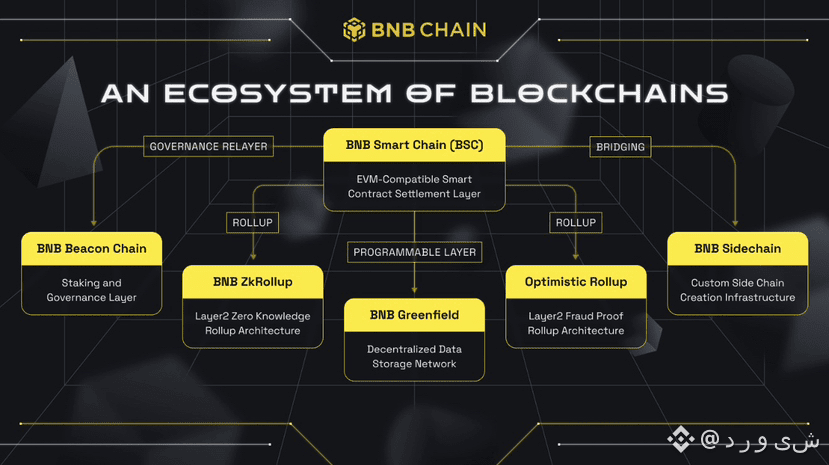
Speed is where BNB Chain clearly shows its priorities. Blocks are produced in seconds, transactions finalize quickly, and fees stay low even during heavy usage. This makes BNB practical for everyday actions—swaps, transfers, minting NFTs—without users worrying about paying more in fees than the asset itself.
The key reason is architectural efficiency: fewer validators, optimized block times, and a mature infrastructure backed by years of real traffic. It’s not theoretical scalability—it’s stress-tested scalability.
The Bigger Picture
BNB’s story isn’t about hype cycles. It’s about iteration. From a fee-discount token to the backbone of one of the most used blockchain ecosystems, BNB grew by solving concrete problems: cost, speed, and usability.
That’s why BNB still matters. Not because it promises perfection but because it works, at scale, every day.

