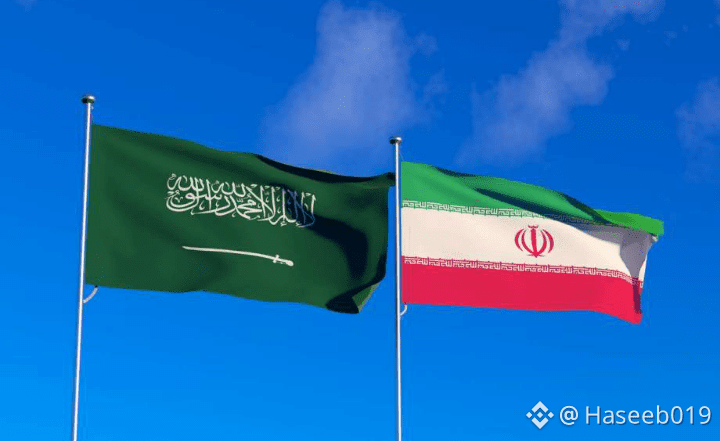
In a dramatic turn during escalating US–Iran tensions, Saudi Arabia has firmly refused to allow its land or airspace to be used for any military attack on Iran, delivering a strategic rebuff that reshapes regional geopolitics. Riyadh communicated directly to Tehran that Saudi territory will not support US strike plans, undermining rapid military pathways and forcing Washington to reconsider its approach.
This diplomatic assertion came as Gulf neighbors Saudi Arabia, Qatar, Oman, and Egypt engaged in intense negotiations with Washington and Tehran to prevent a full-blown conflict, warning that an attack could destabilize security and oil markets across the Middle East.
Saudi and other Arab states have pushed for restraint, stressing that violence would ricochet through global energy supplies and economic stability, and have successfully persuaded U.S. leaders to hold off planned strikes.
Iran has responded cautiously to these diplomatic efforts, with Tehran reopening airspace and signaling limited de-escalation, although the risk of retaliation against foreign bases remains alive.
Bottom line: Saudi Arabia’s rejection of military cooperation against Iran marks a major pivot toward regional de-escalation, but it also highlights the dangerous volatility and complexity of Middle Eastern geopolitics where one misstep could still ignite wider conflict.
#StrategyBTCPurchase #MarketRebound #BTCVSGOLD #CPIWatch #USJobsData