
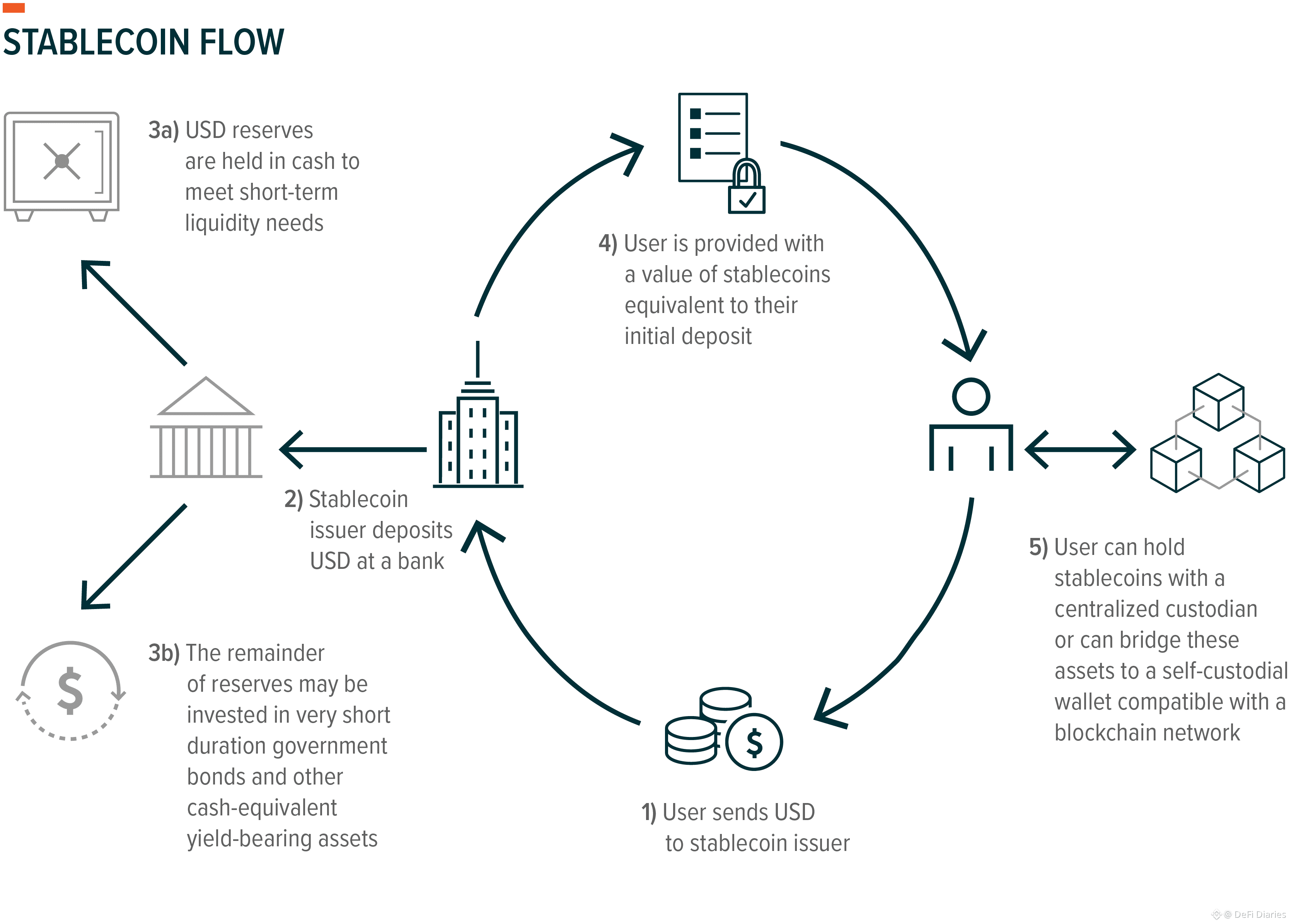
Stablecoins are already being used as money, but most blockchains still treat them like an afterthought. Plasma takes a different approach. Instead of optimizing for speculation or hype cycles, plasma is building a Layer 1 blockchain designed specifically for stablecoin settlement and real-world payments.
At its core, Plasma is fully EVM-compatible, running on Reth, which means developers can deploy existing Ethereum smart contracts without friction. This alone lowers the barrier to entry, but Plasma goes further by pairing this with sub-second finality through PlasmaBFT. For payments and financial applications, speed isn’t a luxury — it’s a requirement.
One of Plasma’s most practical innovations is its stablecoin-first design. Features like gasless USDT transfers and the ability to pay network fees directly with stablecoins remove major UX pain points. Users don’t need to hold multiple assets just to make a transaction, which makes Plasma far more accessible, especially in regions where stablecoins are already used daily for savings and transfers.
Security and neutrality are also central to the vision. Plasma plans to anchor its security to Bitcoin, increasing censorship resistance and trust at the base layer. This makes the network appealing not just to retail users, but also to institutions and payment providers that need reliability and predictable settlement.
The $XPL token plays a key role in this ecosystem, supporting network operations and aligning incentives as usage grows. Rather than chasing short-term narratives, Plasma is positioning itself as infrastructure built for scale, compliance, and real adoption.
In a market full of generalized blockchains, Plasma stands out by focusing on what actually works: fast settlement, familiar tooling, and stablecoins as first-class citizens. That focus could make @Plasma one of the most relevant Layer 1s as crypto payments continue to move from theory to reality. #plasma $XPL

