
You do not build the financial infrastructure of the next decade on the experimental layers of the last one. That is a lesson institutions learned slowly, watching early stablecoin experiments struggle with network congestion, unpredictable fees, and security models that felt more like promises than guarantees. My review of the blockchain landscape for stablecoin settlement kept hitting the same wall, a trade off between high performance, and credible neutrality. Then I looked at $XPL | Plasma. What stands out to me is its direct architectural response to that exact institutional dilemma, a purpose built chain that does not ask financial entities to choose between efficiency and trust.
Plasma foundational thesis is simple yet audacious, stablecoin infrastructure must be as reliable as the fiat currencies it represents. This is really not just another general purpose chain adding DeFi features. Its entire stack, from its consensus to its fee market, is engineered for one asset class. The cornerstone is its Bitcoin anchored security. By periodically committing its state to Bitcoin, Plasma inherits a layer of censorship resistance and finality from the most neutral and secure network in existence. For an institution, this is not just a technical feature, it is a risk mitigation strategy. It means the ultimate settlement assurance for a USDT transfer is not reliant solely on a novel validator set but is backed by Bitcoin immutable ledger. Their documentation frames this not as a bridge, but as a "verification layer" a subtle but important distinction emphasizing security over mere interoperability.
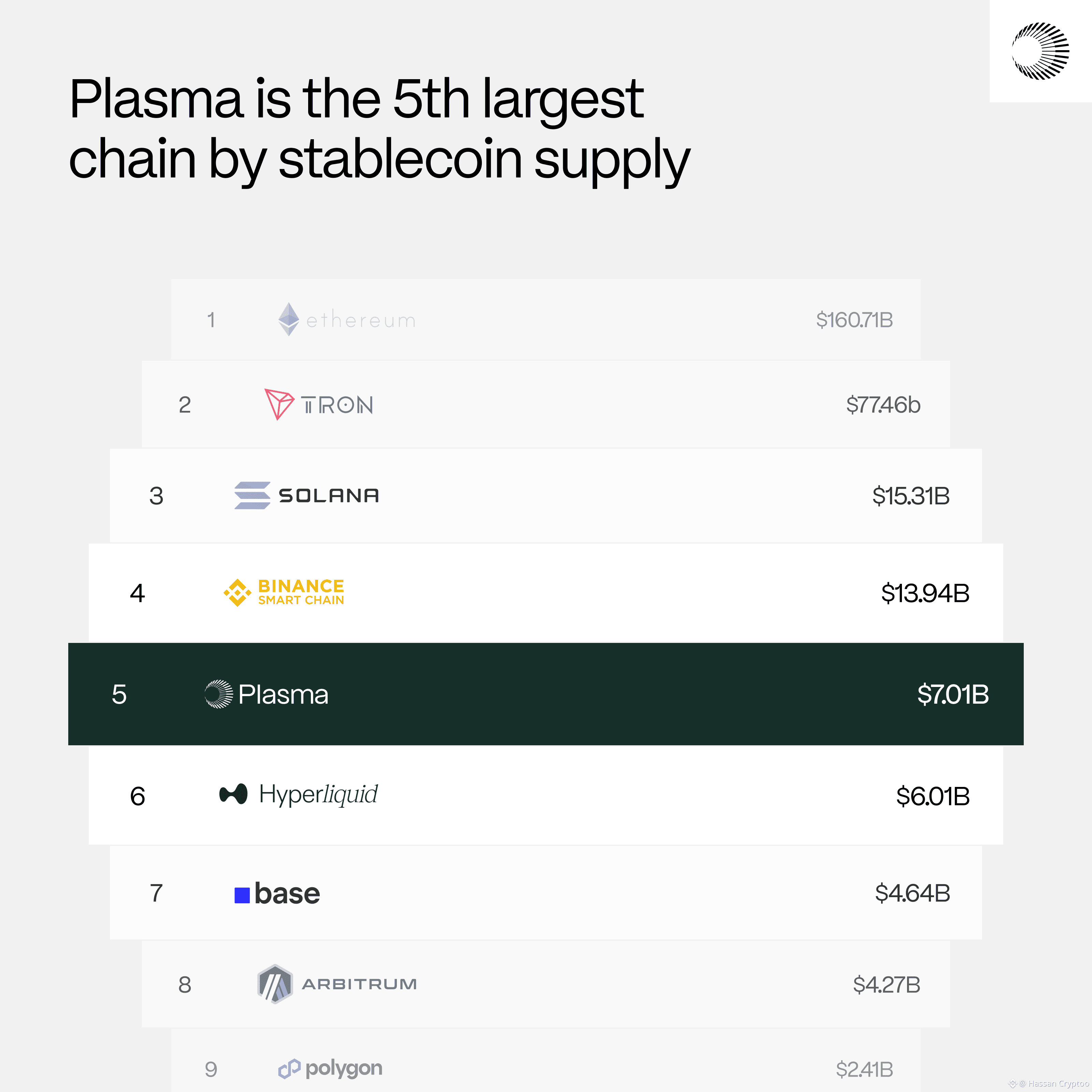
Performance is where the design meets practical necessity. The PlasmaBFT consensus mechanism achieves sub second finality. In payments, especially cross border, finality time is latency, and latency is cost. A transaction that is truly settled in under a second, rather than probabilistically settled after multiple blocks, removes a significant operational friction. This is coupled with full EVM compatibility, implemented using the Reth execution client. The choice here is strategic. It means developers and institutions can deploy familiar, audited smart contracts for complex settlement logic or regulatory compliance without learning a new language. The ecosystem is not starting from zero.
The most creatively tailored features address stablecoin usability directly. "Gasless USDT transfers" eliminate a major UX hurdle for end users, the need to hold a separate native token to pay fees. For a retail user in a high adoption market or a business processing micro payments, this is transformative. With its "stablecoin first gas" system, PLASMA allows fees to be paid in the same digital dollar a user is transferring, forging a self contained and reliable cost framework for commercial use. Consequently, the price of conducting transactions shifts from being a volatile crypto based variable to a stable, dollar based operating cost. Analyzing the tokenomics reveals the clear function of the XPL token, it is allocated for staking to uphold network security and governance, and is not designed to serve as a medium for incurring unpredictable transfer fees. This functional separation is by design, marrying the token utility to network integrity and keeping the experience for end users simple and stable.
This architectural clarity has actually attracted specific investor attention. These are not merely crypto native funds, they are institutions fully integrated into the sector regulated financial framework. The engagement from these partners demonstrates clear backing for Plasma clear priority, compliant, institution ready settlement infrastructure. In a comprehensive update published on March 6, 2025, the team explained this strategic path. They stressed their development of tools specifically designed for "regulated financial institutions and large scale payment providers".
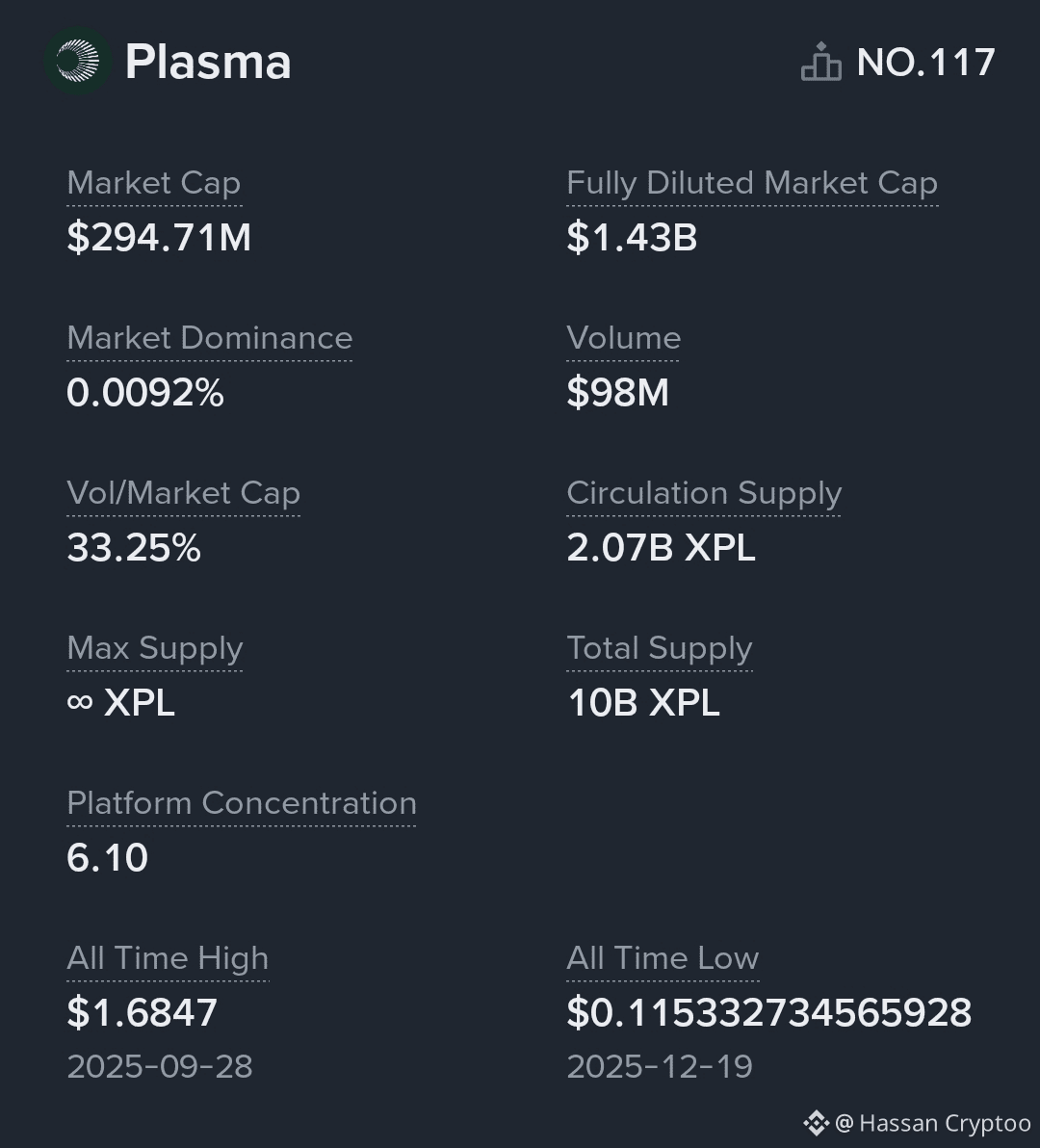
A look at the current market data provides context. According to CoinMarketCap, the XPL token, with a fully diluted valuation noted in the hundreds of millions, operates in a niche it essentially defines. Its price, like most assets in the sector, reflects broader market tides. Analyzing the XPL/USDT chart on Binance Spot, the token has seen volatility consistent with a relatively new Layer 1. The chart shows it establishing foundational trading ranges after its initial distribution phase, with volume patterns that typically align with broader ecosystem announcements rather than speculative swings alone. The fundamental data points to a project in its early adoption curve, where the market is still pricing the technology and partnerships rather than pure network usage.
The institutional case, then, is not built on hype but on a series of deliberate technical and economic choices. Plasma identifies the stablecoin settlement problem not as a lack of block space, but as a lack of specialized, predictable, and neutral infrastructure. It offers a blockchain that acts less like a chaotic digital city and more like a dedicated financial railway, built on a bedrock of Bitcoin security, running on schedules of sub second finality, and charging fares in the currency of its passengers. In a world where stablecoins are poised to move beyond trading pairs into real world salaries and corporate treasury flows, that kind of specialized reliability is not just a feature, it is the entire thesis.
by Hassan Cryptoo


