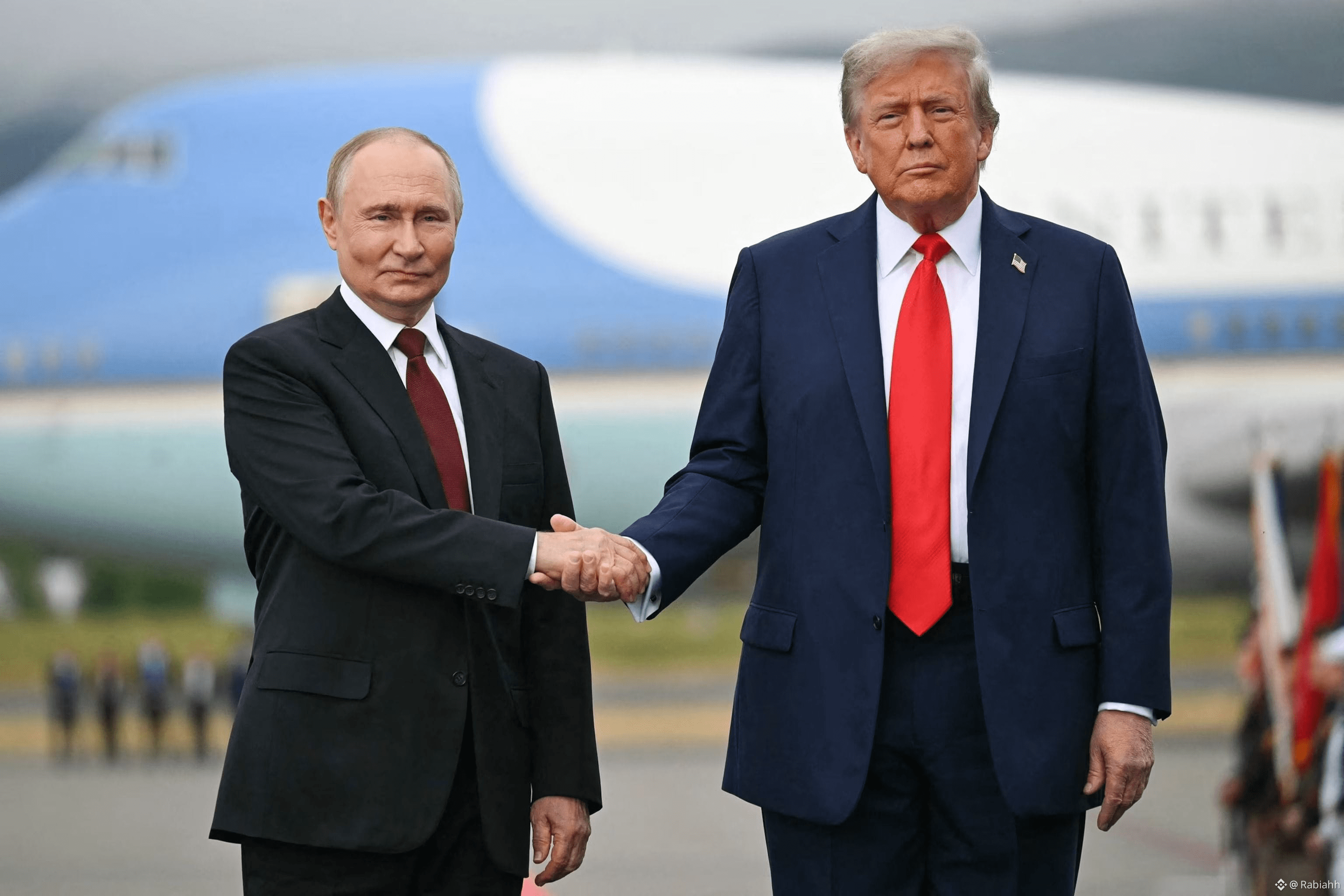
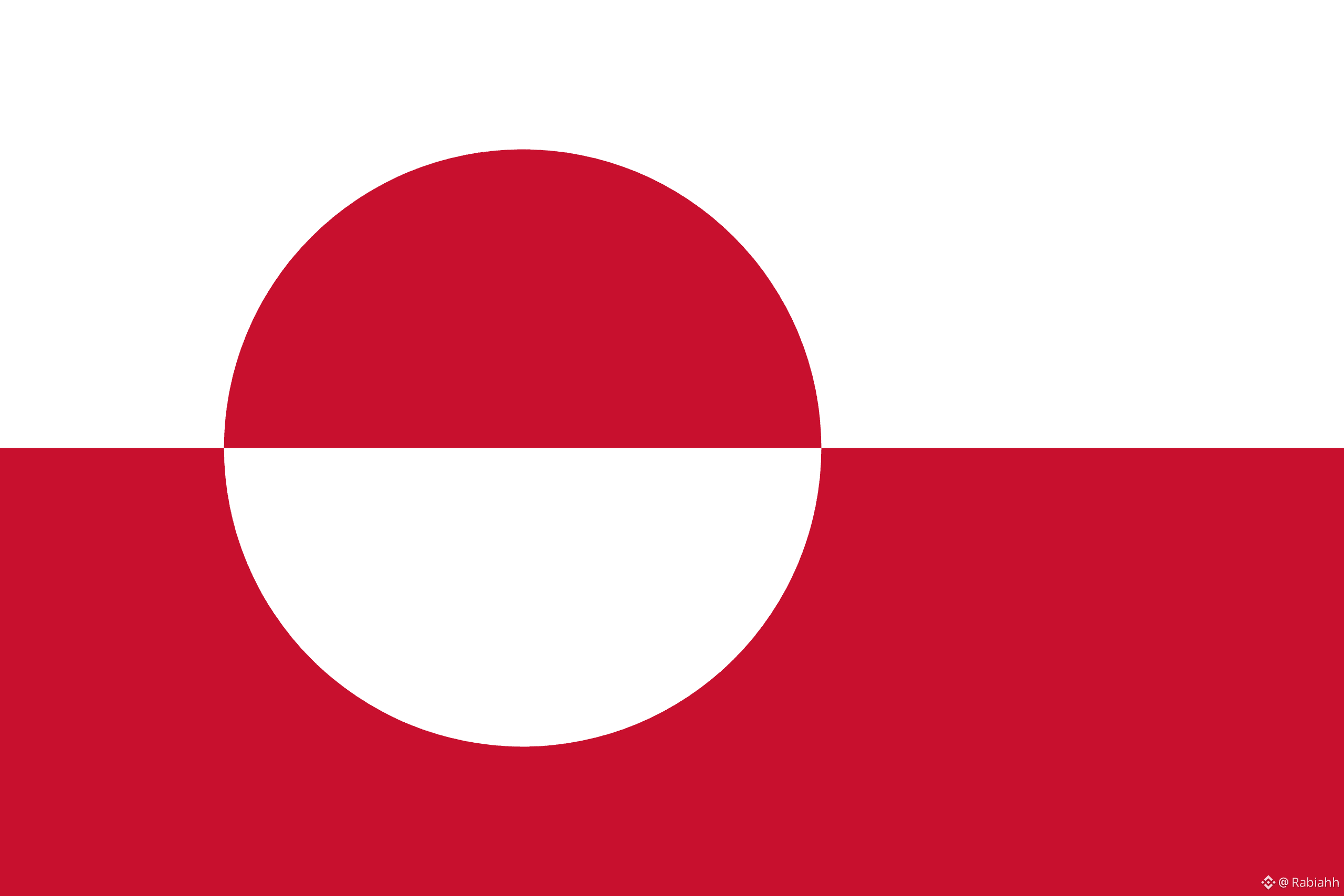
Wokół Grenlandii narasta wiele napięć geopolitycznych, ogromnej wyspy pokrytej lodem, znajdującej się w pobliżu koła podbiegunowego.
Grenlandia jest autonomiczna, ale wciąż jest oficjalnie częścią Królestwa Danii. Dania kontroluje kluczowe obszary, takie jak polityka zagraniczna, obrona i bezpieczeństwo, podczas gdy Grenlandia zarządza większością spraw wewnętrznych. Nie jest całkowicie niezależna - ale nie jest też po prostu zwykłym terytorium duńskim.
Kontrowersje zaostrzyły się, gdy były prezydent USA Donald Trump otwarcie powiedział, że USA powinny kupić Grenlandię. Jego argument opierał się na:
Bezpieczeństwo narodowe (kontrola szlaków arktycznych i obrona przeciwrakietowa),
Zasoby naturalne (rzadkie minerały ziem rzadkich krytyczne dla technologii, pojazdów elektrycznych i broni),
Blokowanie rywali, takich jak Rosja i Chiny, przed rozszerzaniem ich wpływów w Arktyce.
Liderzy Danii i Grenlandii natychmiast odrzucili ten pomysł, powtarzając jasny komunikat:
„Grenlandia nie jest na sprzedaż.”
To, co jeszcze bardziej interesujące, to reakcja Rosji. Moskwa publicznie stwierdziła, że Grenlandia należy do Danii i że jej status powinien być szanowany.
Dlaczego Rosja to mówi?
To mniej o życzliwości, a bardziej o strategii.
Popierając roszczenia Danii, Rosja:
Krytykuje USA za używanie „zagrożeń bezpieczeństwa” jako uzasadnienia do rozszerzenia władzy,
Sygnalizując, że Waszyngton nie powinien jednostronnie przejmować kontroli nad terytorium Arktyki,
Pozycjonując się jako obrońca norm międzynarodowych — jednocześnie dyskretnie ośmieszając USA.
To także przypomnienie, że Rosja uważnie monitoruje wydarzenia w Arktyce, zwłaszcza gdy region staje się coraz bardziej wartościowy z powodu topniejącego lodu, nowych szlaków transportowych, rozmieszczenia wojsk i nieodkrytych zasobów.
Tymczasem kraje NATO zwiększają swoją obecność wojskową w Arktyce, aby okazać wsparcie dla Danii i chronić strategiczne interesy. To, co kiedyś było zamarzniętą zatoką, teraz jest globalnym punktem zapalnym.
Krótko mówiąc:
Grenlandia staje się strategicznie bezcenna
USA chce wpływów lub kontroli
Dania i Grenlandia mówią nie
Rosja mówi „to duńskie” — częściowo, by wywrzeć presję na USA.
Arktyka cicho przekształca się w następne wielkie geopolityczne szachownice
Więc prawdziwe pytanie pozostaje:
Czy Grenlandia powinna pozostać pod Danią, dążyć do pełnej niepodległości, czy w końcu zjednoczyć się z inną potęgą?