

Imagine a new kind of digital world being built, one where moving money around is as easy as sending a text. That's what Plasma, a unique Layer 1 blockchain, is trying to achieve, starting with stablecoins—digital cash designed to stay steady in value, like USDT.
One super cool part of Plasma is that it lets you send stablecoins without those annoying charges, called gas fees, that you usually find on other networks. You know, the fees that pop up when you try to buy something and suddenly the price is higher? Plasma wants to get rid of those for stablecoins.
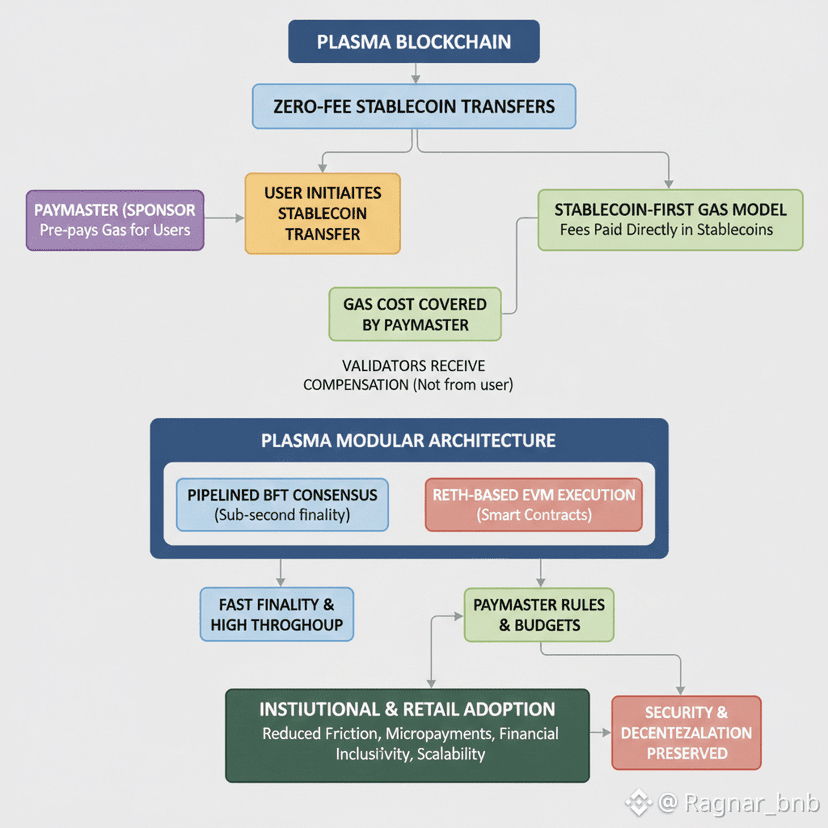 See, usually, blockchains need these fees to get people to keep the network running and to stop anyone from spamming it with fake transactions. These fees, often paid using the network's special coin, can jump up and down a lot. This makes it hard for people who just want to use digital cash for everyday stuff, like buying a coffee or splitting the bill with friends. It’s even worse for those tiny payments you might want to make online.
Plasma fixes this by using a neat trick that allows you to send stablecoins, like USDT, without having to pay gas fees directly. Think of it as someone else picking up the tab for you. This makes it simpler for regular folks to start using blockchain payments because you don't have to worry about understanding or paying those fees.
So, how does Plasma actually do it? Well, it uses something called a paymaster model. Imagine there's a sponsor—maybe a shop, a big company, or someone who provides money to the network. This sponsor pays the gas fees for you. When you send your stablecoins, the network gets paid by the sponsor, not you. You don't have to own any of the network's special coins or figure out how much gas you need.
The people who keep the network running still get paid for their work, but you, the user, get to send money without any extra costs. It's sort of like how you don't have to calculate the exact fee every time you swipe your credit card.
This whole zero-fee thing is tied in tightly with how Plasma works. It uses something called PlasmaBFT, which makes sure transactions happen super fast—often in less than a second. This speed is super important because it allows those sponsors to handle lots of transactions without things getting slow or jammed up.
Plasma also uses something called an EVM execution engine (based on Reth), which is a fancy way of saying it can do all sorts of smart things with money. This means sponsors can set rules about which transactions they'll pay for, how they'll keep track of costs, and how they'll manage their budgets safely.
Another cool thing about Plasma is that it puts stablecoins first. Most networks want you to pay fees using their own coin, but Plasma lets you pay fees directly with stablecoins for some transactions. This is a big deal for folks sending money to other countries or for companies that want to make it easy for customers to pay. Instead of having to get a new coin just to pay the fee, you can use the same stablecoin you're sending.
From a technical point of view, making zero-fee stablecoin transfers work smoothly is tricky. Plasma has to make sure all the transactions happen in the right order and that everyone's account balances are correct. It uses its speedy transaction processing to handle lots of transactions at the same time without messing anything up. It also uses special digital signatures to make sure everyone agrees on the transactions quickly, even when thousands are happening at once. This keeps everything secure while still making payments fast and free.
This zero-fee idea is really useful for places where there's lots of retail activity or where people want to make tiny payments. Think about buying songs online or tipping someone for a great article. On regular blockchains, the fees can be higher than the payment itself, which doesn't make sense. But with Plasma, these small payments become possible. For businesses, it makes it easier for customers to pay, which could lead to more sales.
On top of making things easier, zero-fee stablecoin transfers can also help more people get access to financial services. Lots of people in poorer countries might not have easy ways to get blockchain coins or understand how to use them. By letting them send and receive stablecoins without worrying about fees, Plasma opens up digital payments to a wider group of people. The speed and reliability of the network also mean that payments are smooth and dependable, whether you're an individual or a big company.
Finally, Plasma doesn't sacrifice security or fairness to make these zero-fee payments possible. The people who keep the network running still get rewarded, everything is agreed on using solid methods, and those digital signatures make sure blocks are finalized correctly. Plasma balances ease of use, financial rewards, and network safety, making it a strong platform for stablecoins to be used by lots of people. By combining fast transaction processing, sponsor-paid fees, and stablecoin-first fees, Plasma is trying to create a blockchain world where payments are instant, reliable, and free for the user, which could change how we think about digital money.

