
As countries across the globe lobby Washington for tariff concessions, a contrasting demand has emerged from within the United States 🇺🇸. Two Republican senators have now asked former President Donald Trump to press India for lower import duties — specifically on American pulse crops.
🌾 Why US Lawmakers Are Concerned
Senators Steve Daines of Montana and Kevin Cramer of North Dakota have written to Trump, highlighting what they describe as unfair trade barriers imposed by India on US agricultural exports.
📌 Key facts cited by the senators:
Montana and North Dakota are the top two pulse-producing states in the US
India accounts for around 27% of global pulse consumption
A 30% tariff on US yellow peas came into force in November 2025
According to the lawmakers, these duties have sharply reduced the competitiveness of American pulse exporters in India’s massive food market.
⚖️ “Competitive Disadvantage” for US Farmers
The senators argued that India’s tariff structure has tilted the playing field against US producers, despite strong demand for pulses such as lentils, chickpeas, dried beans, and peas.
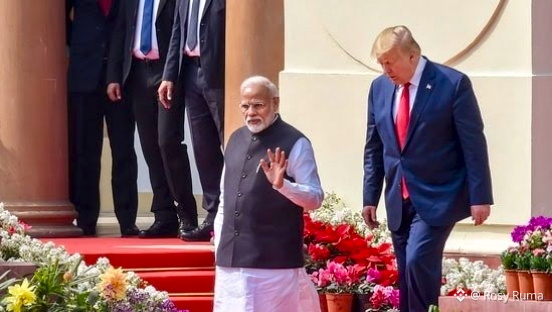
📝 In their communication, they urged Trump to raise the issue directly with Prime Minister Narendra Modi, stating that easing tariffs would benefit:
🇺🇸 American farmers seeking export markets
🇮🇳 Indian consumers reliant on affordable pulse imports
They also recalled that Trump had personally conveyed similar concerns to Modi during India–US trade negotiations in 2020.
📦 Why India Raised Import Duties
India’s 30% duty on yellow peas was announced by the Department of Revenue in October 2025, replacing a temporary duty-free import window that was earlier expected to run until March 2026.
💡 Breakdown of the tariff:
10% basic customs duty
20% Agriculture Infrastructure and Development Cess (AIDC)
The move followed pressure from domestic farmers, who complained that cheaper imports were depressing local crop prices.
🔄 Trade Tensions Run Both Ways
The US request comes amid unresolved friction on the other side of the trade relationship. A 50% tariff on Indian exports to the US remains in place — half of it linked to India’s energy trade with Russia.
Despite months of negotiations, India and the US have yet to finalise a comprehensive trade agreement.
🤝 Where Do Talks Stand Now?
Recent comments from US officials suggested that progress stalled due to a lack of high-level political engagement — a claim India has firmly denied.
🔍 Indian officials maintain that:
Dialogue remains ongoing
Both sides are committed to a mutually beneficial trade deal
The US ambassador to India has echoed this view, saying negotiations are still active despite public disagreements.
📌 Bottom Line
With American lawmakers now pushing Washington to seek concessions from New Delhi — rather than the other way around — the episode underscores the complex, two-way pressure shaping India–US trade ties. Whether pulse tariffs become a breakthrough point or another sticking issue remains to be seen.


THANKYOU 🙏