

In blockchain, real reliability isn’t measured when everything is calm it’s measured when conditions are difficult. Many networks look perfect on paper: blocks are produced on time, transaction fees are stable, and governance processes seem orderly. But true trust is earned during stress when congestion builds, incentives shift, and participants act in self-interest rather than cooperation. This is exactly the environment Dusk Network is designed for: a world where pressure is normal, not exceptional.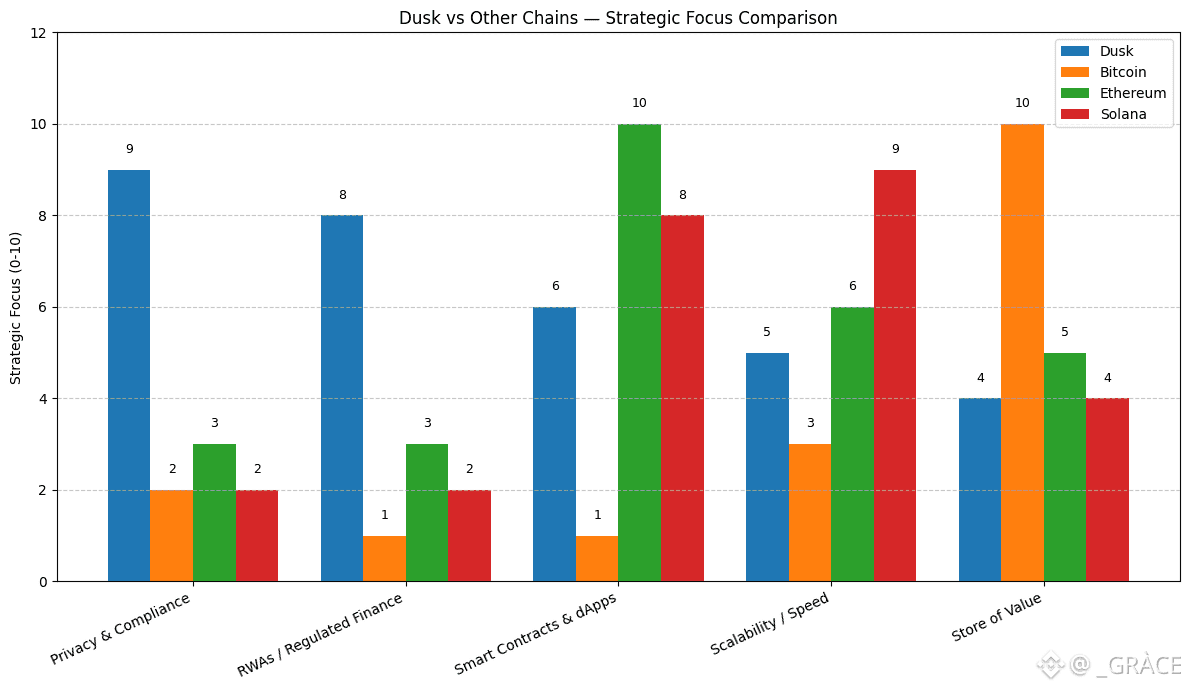
Financial markets operate under constant stress. Volatility, regulatory scrutiny, and liquidity changes are everyday realities. Systems that assume everyone will cooperate tend to fail when participants act defensively. Dusk approaches things differently. It assumes friction is inevitable and builds infrastructure that stays predictable and reliable even when human behavior is unpredictable. Markets are inherently adversarial, and technology must keep order when stakes are high.
Privacy and enforcement are at the core of this approach. Many platforms treat transparency as an absolute good, but full visibility can become a liability during turbulence. Exposed balances, positions, and strategies can amplify risk. Dusk separates privacy from verification: sensitive data stays confidential, yet rules are enforced at the protocol level. Compliance doesn’t require public exposure, and sensitive information isn’t left vulnerable during high-pressure situations.
Stress scenarios show why this matters. In fully transparent systems, sudden pressure can trigger feedback loops. Participants react not just to price changes, but also to newly visible positions of others. Dusk mitigates this risk by keeping internal state confidential while executing rules automatically. Transfer limits, eligibility checks, and compliance conditions happen in real time, preventing mistakes instead of just observing them after the fact. In finance, prevention is almost always more valuable than explanation.
Dusk’s design assumes failure as the norm, not the exception. Its smart contracts operate on confidential data while remaining fully deterministic, ensuring outcomes are predictable even when incentives shift. By embedding constraints directly into contracts, Dusk reduces reliance on idealized behavior and human discretion, giving institutions confidence in the system even when markets are volatile.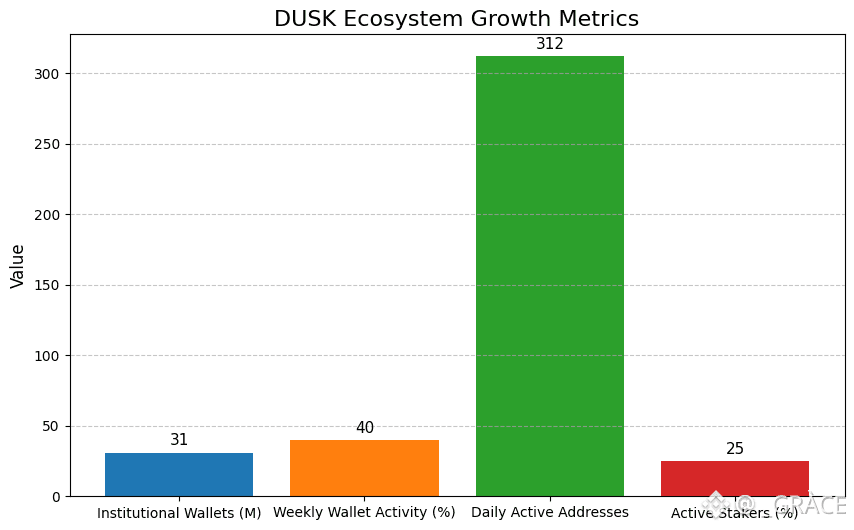
Developers building on Dusk adopt this philosophy naturally. Applications are created with audits, scrutiny, and adversarial behavior in mind. Permissions are clear, transfer rules are codified, and disclosure is conditional. Ambiguity is a vulnerability under stress; clarity becomes a form of resilience. Clear system boundaries make applications reliable even when participants face conflicting incentives or changing conditions.
Tokenized assets highlight the value of this model. Real-world assets don’t exist in stable conditions they move through market cycles, regulatory changes, and liquidity shifts. Ownership rules and disclosure requirements evolve. Infrastructure must absorb these changes without weakening enforcement or exposing sensitive data. Dusk’s modular architecture allows assets to stay governed correctly while keeping critical information protected.
Decentralization in Dusk is practical. Unlike networks that equate decentralization with no rules, Dusk recognizes that financial systems require constraints to function safely. The critical question isn’t whether rules exist—it’s who enforces them. Dusk embeds enforcement into the protocol, reducing the risk of arbitrary decisions, especially when stakes are high and human judgment can fail.
This predictability matters for institutions. Many platforms work fine under calm conditions but behave unpredictably during volatility. Such inconsistency undermines trust. Dusk prioritizes reliable operation over maximum flexibility, understanding that adoption depends on performance under stress. Stability and predictability are not optional they are essential for real-world use.
Economic design follows the same logic. Dusk avoids short-term incentives that distort behavior under pressure. Instead, economic structures are predictable, allowing participants to act confidently without constantly adjusting to changing rules. Stability becomes a safeguard when attention is divided and tolerance for mistakes is low.
Every decision in Dusk reinforces consistency. Privacy is usable, enforcement is automatic, and behavior remains predictable when it matters most. The network doesn’t chase hype or trends it focuses on enduring infrastructure that works even when markets are volatile and participants act defensively. This coherence is rare in blockchain and is one of Dusk’s greatest strengths.
Protocol-level enforcement replaces discretionary human action, reducing arbitrary behavior during crises. Rules are applied consistently, and outcomes remain predictable even when participants act opportunistically. For institutions, this predictability is critical. They can engage with the network knowing compliance is automatic, uniform, and reliable.
Long-term adoption depends on performance under pressure, not just calm periods. Markets don’t stop for crises, and regulatory obligations continue regardless of stress. Systems must remain operational when volume spikes, transactions are contested, and participants focus on self-preservation. Dusk designs with this reality at the core, focusing on long-term resilience over short-term attention.
Builders on Dusk internalize this mindset. Applications anticipate audits, adversarial behavior, and conflicting incentives as part of normal operations. Permissions are explicit, rules are codified, and disclosure is conditional. Ambiguity is removed; potential failure points are mitigated through design. These principles extend across contracts, governance, and operational logic, ensuring the system works reliably under stress.
Privacy is practical, not ideological. During periods of market stress, exposed positions or strategies can increase systemic risk. Dusk keeps sensitive information protected while ensuring rules are enforced automatically. Compliance doesn’t require public visibility, striking a balance between security and accountability that many platforms overlook. This approach reduces risk when conditions deteriorate.
Dusk also accommodates evolving tokenized assets. Ownership, disclosure requirements, and market conditions shift over time. Infrastructure that cannot absorb these changes risks failure or exposure of sensitive data. Dusk’s modular design allows governance and privacy to remain intact even as conditions change. This adaptability reinforces resilience and shows how thoughtful architecture prevents failures during stress.
Decentralization becomes meaningful under pressure. By reducing human discretion in enforcement, Dusk ensures rules are applied consistently. Outcomes remain predictable even when participants act in self-interest. For enterprises and institutions, this reliability is essential they can trust that compliance is automatic and outcomes are fair, regardless of external conditions.
Economic mechanisms mirror this principle. Short-term incentives that distort behavior under pressure are avoided. Rules are predictable, reducing the need for participants to adapt constantly. Stability isn’t optional—it’s critical. By designing economic structures for stress, Dusk ensures confidence when attention is divided and tolerance for mistakes is low.
The network’s design is coherent. Every element privacy, enforcement, predictability supports reliable operation under stress. Unlike platforms that pivot toward trends, Dusk stays focused on building infrastructure that works when it’s needed most. Privacy is usable, enforcement is automated, behavior is predictable, and economic structures are stable. This holistic approach transforms abstract blockchain principles into practical systems that survive real-world pressure.
Dusk’s modular and privacy-first approach also provides tangible benefits for institutions. Systems can be audited, stress-tested, and regulated without exposing sensitive data. Rules are embedded in code, reducing reliance on human actors. When volumes increase or participants act defensively, the system maintains order without compromise. This approach turns blockchain from an experimental tool into reliable, real-world infrastructure.
In practice, Dusk demonstrates these principles across multiple dimensions. Transfers, compliance checks, and eligibility rules are executed automatically. Internal data remains confidential. Economic incentives are consistent, reducing behavioral volatility. Applications assume scrutiny and adversarial behavior as normal. Everything works together to make the network resilient when stress appears.
Real adoption depends on performance under strain. Systems that fail under pressure are effectively unusable, no matter how ideal they appear in theory. Dusk tackles this head-on, ensuring infrastructure continues functioning when markets are volatile, oversight intensifies, and participants act defensively. This is decentralization in practice not theoretical, but functional.
Dusk does not chase speed or hype. Its goal is durability. Infrastructure must operate reliably under pressure, and Dusk designs with that principle at its heart. Privacy is practical, enforcement is automatic, and predictable behavior is the standard. By embracing stress as normal, Dusk builds a system that remains credible and functional even under adverse conditions.
As crypto moves beyond speculation toward real financial infrastructure, networks that survive stress will matter most. Dusk builds for that reality quietly, deliberately, and without pretending stress can be avoided. Every decision privacy, enforcement, predictable behavior, economic stability works together to create a network that endures.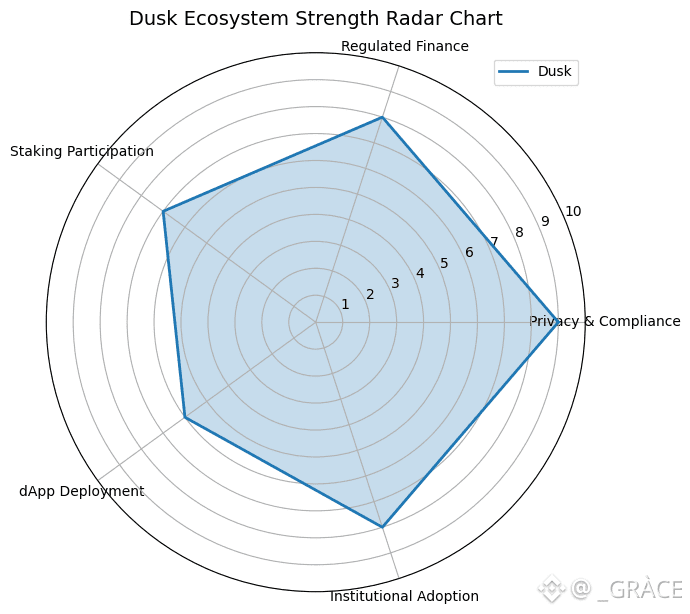
In short, Dusk Network takes a realistic approach to blockchain. Stress is expected, privacy is practical, enforcement is automated, and economic rules are predictable. Decentralization is meaningful because protocol rules replace discretionary human action. For builders, institutions, and participants, this means infrastructure that works reliably, remains credible, and endures when it is most needed.
Dusk is not about attention or speed it is about trust and durability under conditions that break most systems. This is blockchain designed for the real world: networks that work when pressure is unavoidable and cooperation cannot be assumed. Dusk is building that future, quietly and effectively.
For educational purposes only. Not financial advice. Do your own research.
