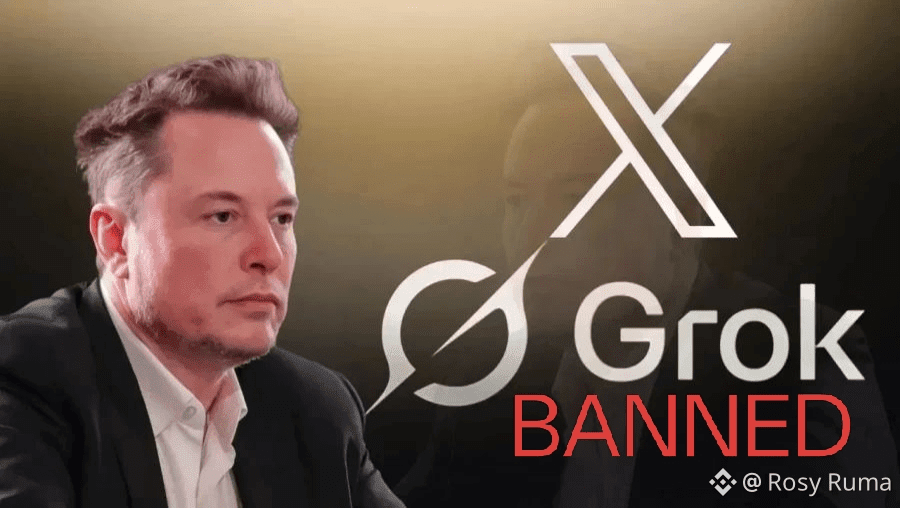
Southeast Asia’s widening crackdown highlights a tougher regional stance on AI misuse and digital safety
Governments across Southeast Asia are tightening restrictions on Grok, the artificial intelligence chatbot developed by Elon Musk’s xAI, signalling a hardening regional approach toward generative AI tools accused of enabling harmful and illegal content.
🇵🇭 Philippines orders nationwide block
The Philippine government has directed internet service providers to block access to Grok’s website, citing concerns over its ability to generate sexually explicit and non-consensual deepfake content, including material that could involve minors. Officials said the ban will remain in effect until the platform complies with domestic internet safety and child protection regulations.
Authorities confirmed that discussions are ongoing with X, the social media platform hosting Grok, to address compliance gaps and content safeguards.
🇮🇩 Indonesia sets the precedent
Manila’s move follows Indonesia’s earlier decision to suspend Grok nationwide—the first such ban in the region. Indonesian regulators said the chatbot had been misused to create AI-generated pornographic material through basic text prompts.
Officials framed the suspension as a necessary step to protect women, children, and public dignity, describing non-consensual deepfakes as a serious violation of human rights and digital safety norms.
🇲🇾 Malaysia follows suit
Malaysia soon joined the crackdown, blocking access to Grok after telecommunications authorities cited repeated misuse and what they described as insufficient content moderation by its developers. Like Indonesia, Malaysian officials stressed that restrictions would remain until stronger, enforceable safeguards are put in place.
🌍 Global scrutiny intensifies
The Southeast Asian bans form part of a broader international pushback against Grok. Japanese regulators have launched a formal investigation into the chatbot’s ability to generate inappropriate content, warning of legal consequences if protections are not strengthened.
Similar concerns are being examined in the United Kingdom and Canada, where authorities are assessing whether existing legal frameworks are adequate to address AI-enabled abuse.
🇺🇸 Legal pressure in the US
In the United States, California’s attorney general has issued a cease-and-desist order against xAI, demanding an immediate halt to the creation and distribution of sexualised deepfakes—especially those involving minors. The move underscores the growing legal exposure faced by AI platforms that fail to prevent misuse at scale.
⚖️ A widening regulatory divide
From Jakarta to Manila, the bans and investigations point to a deepening global divide over how generative AI should be governed. Southeast Asian governments, in particular, are signalling readiness to impose swift and sweeping restrictions in the name of public safety and digital rights.
At the same time, AI developers warn that aggressive regulation could stifle innovation and free expression. As generative AI tools continue to spread rapidly, regional approaches to regulation appear set to diverge—reshaping where, how, and under what rules such technologies can operate.