


One of the biggest hurdles in blockchain isn’t speed, security, or innovation—it’s understanding costs. Most networks expect users to juggle native tokens, gas, and unpredictable fees. For speculators, that’s part of the game. For everyday payments or real financial activity, it’s a real barrier. Plasma addresses this by embedding cost visibility and predictability directly into the protocol, rather than leaving it up to developers or end users.
Stablecoins as the Core
Traditional chains force users to pay with native tokens that fluctuate in value. This creates friction for payments and stable-value transfers. Plasma flips the script. The network treats stablecoins—especially USD₮—as the default medium for fees and transfers. Logic built into the chain ensures predictable, zero-fee USD₮ transfers in supported scenarios. This isn’t a temporary incentive—it’s a rule enforced at the protocol level. By controlling how transfers happen, Plasma ensures they remain reliable and safe, even at high volume.
Simplifying Payments
Payments are different from trading. Many small transactions, especially in high-frequency stablecoin use, can become chaotic if fees fluctuate. Plasma simplifies this for both users and developers. Application creators don’t have to design complex fee systems or teach users how costs are calculated. By standardizing costs and leveraging stablecoins, Plasma removes unnecessary friction and makes transactions feel as straightforward as sending money through traditional rails.
Custom gas tokens take this further. Through carefully audited programs, the system allows stablecoins to be used directly to pay fees. Everything is protocol-controlled, clear, and predictable. Other networks may offer flexibility but often at the cost of complexity. Plasma prioritizes reliability and simplicity over experimentation.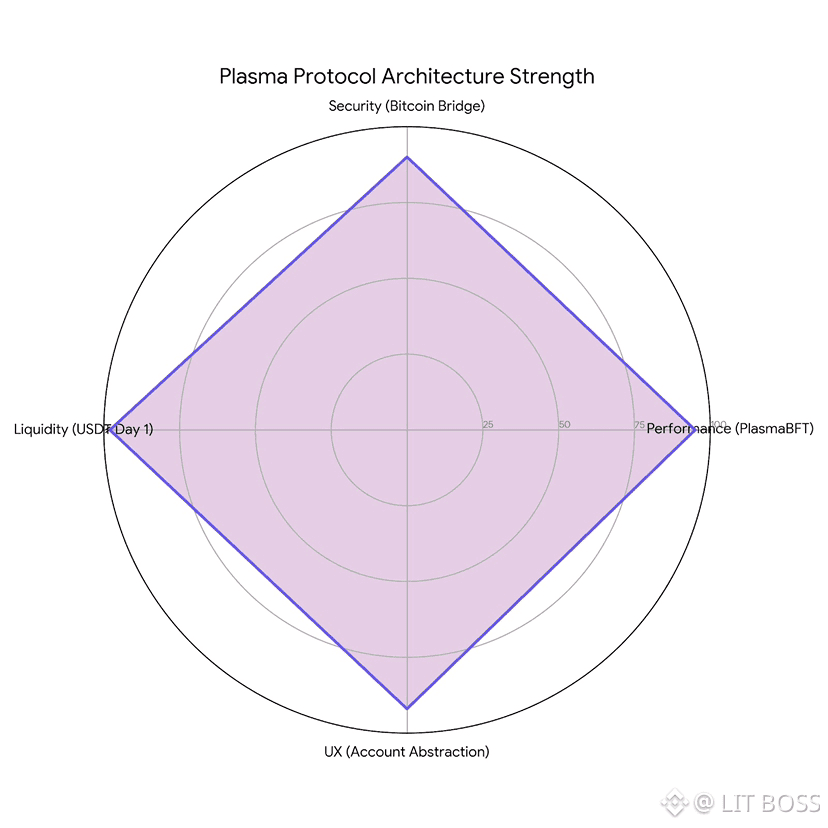
Smart Accounts and EIP Standards
Plasma’s approach aligns with account abstraction standards like EIP-4337 and EIP-7702. Smart accounts can integrate seamlessly with the protocol’s gas logic. Users experience familiar money transactions without worrying about conversion or hidden fees. The standards make this smooth abstraction possible, allowing stablecoins to behave like native units for both payments and fees.
Fast, Final, and Secure
PlasmaBFT, the network’s consensus mechanism, ensures sub-second confirmation and instant finality. Transactions are fast, predictable, and cannot be reversed once confirmed—essential for payments, institutional transfers, and financial operations. Performance remains high even as cost abstraction and user-friendly features operate simultaneously.
Security is reinforced through the Bitcoin network. Plasma uses a trustless bridge to anchor its transactions, leveraging Bitcoin’s stability without relying on centralized custodians. This combination of speed, predictability, and anchored security makes Plasma particularly suitable for stablecoin-driven financial activity.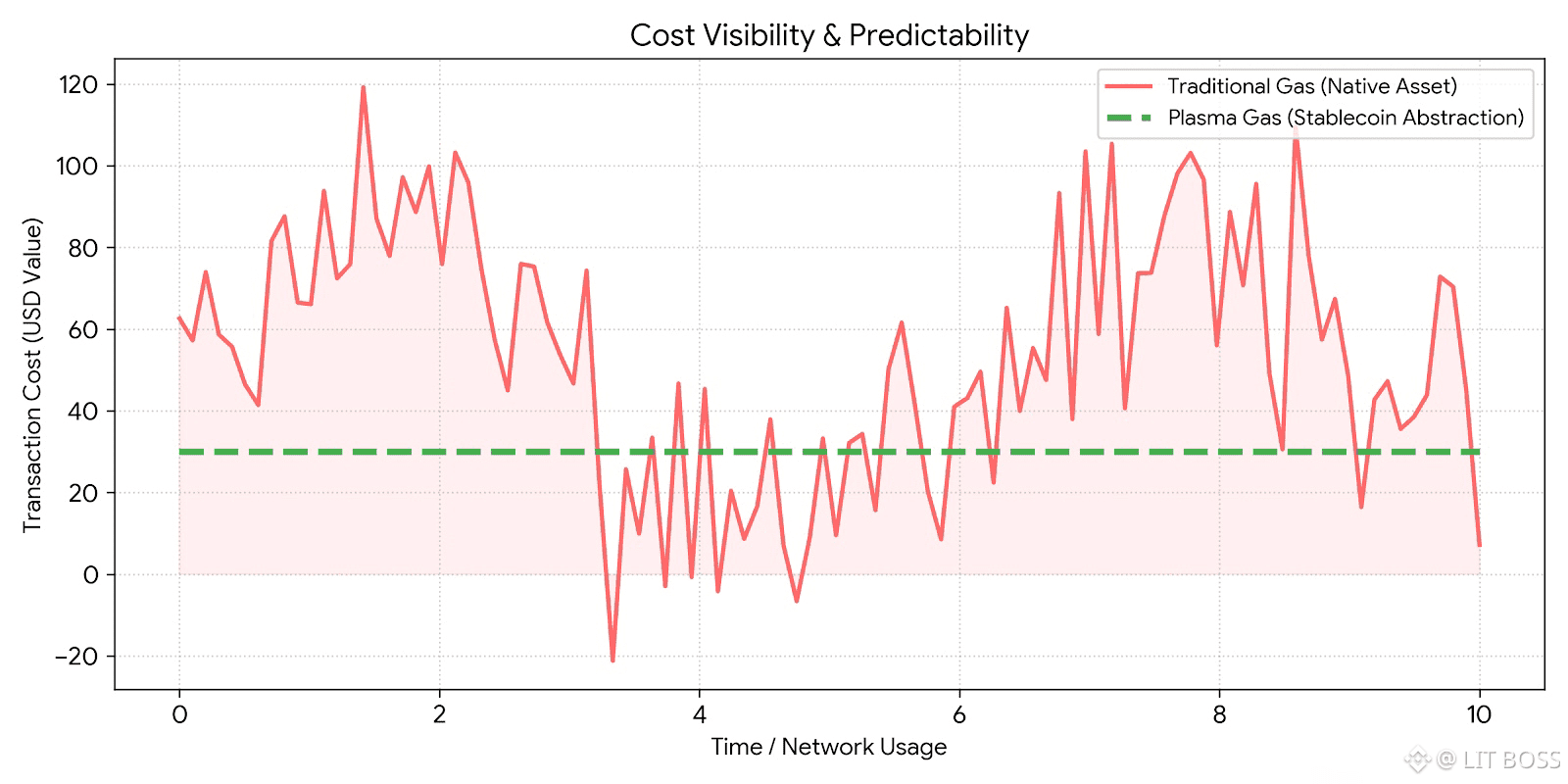
Privacy and Compliance
Payments in the real world often require privacy, but compliance cannot be sacrificed. Plasma’s architecture allows transaction amounts and participants to remain private while still being verifiable when needed. The protocol demonstrates that privacy and regulatory adherence are compatible if designed intentionally.
Liquidity Matters
Abstraction works best when liquidity is abundant. Plasma starts with large USD₮ liquidity, ensuring applications can operate smoothly from day one. Developers don’t have to worry about dry pools or unpredictable market effects. Predictable execution and consistent access to stablecoin liquidity reinforce the cost abstraction model, making the system resilient from its first block onward.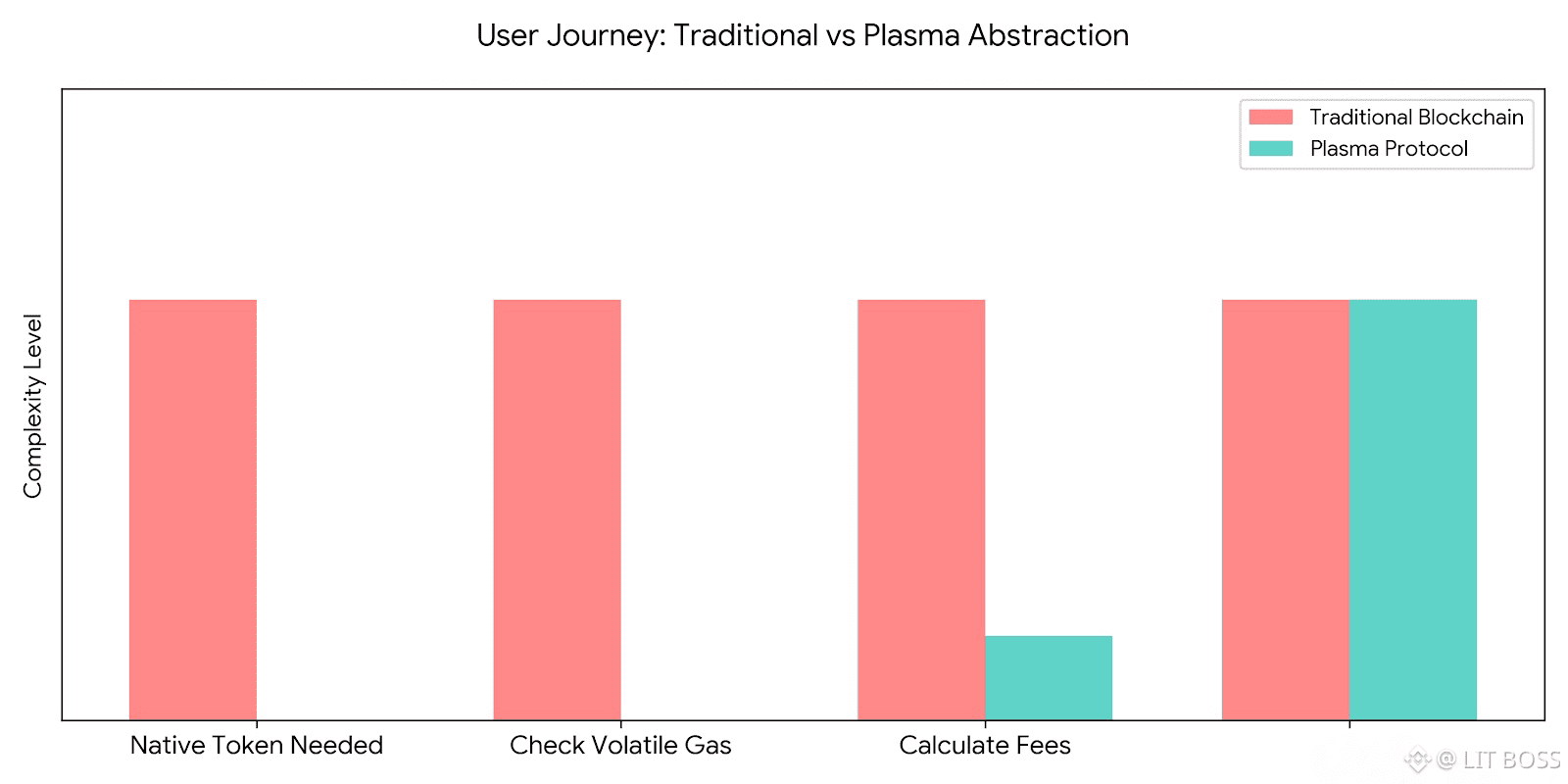
Abstraction as Infrastructure
Plasma doesn’t try to be a general-purpose blockchain. Its goal is focused: make stablecoin-based finance reliable, simple, and predictable. Cost abstraction is treated as a fundamental layer of infrastructure, not just a feature. By embedding it into the core of the protocol, Plasma ensures that payments, fees, and liquidity behave consistently, allowing the network to scale for real-world use.
As stablecoins become central to global payments, FX systems, and institutional settlements, networks that simplify cost without sacrificing control will lead adoption. Plasma positions itself at this intersection, turning abstraction into durable infrastructure rather than a convenience.

