

@Plasma is a Layer 1 blockchain built with a very specific purpose in mind: making stablecoin settlement as seamless and efficient as possible. Unlike general-purpose blockchains that try to do a little bit of everything, Plasma focuses on solving a real-world problem that affects both retail users and financial institutions how to move digital money quickly, cheaply, and securely. At its core, it combines full Ethereum compatibility through the Reth execution layer with its own PlasmaBFT consensus, giving it sub-second finality. That means transactions happen almost instantly, without the delays you might experience on older networks, and developers can deploy smart contracts just like they would on Ethereum, without learning an entirely new system.
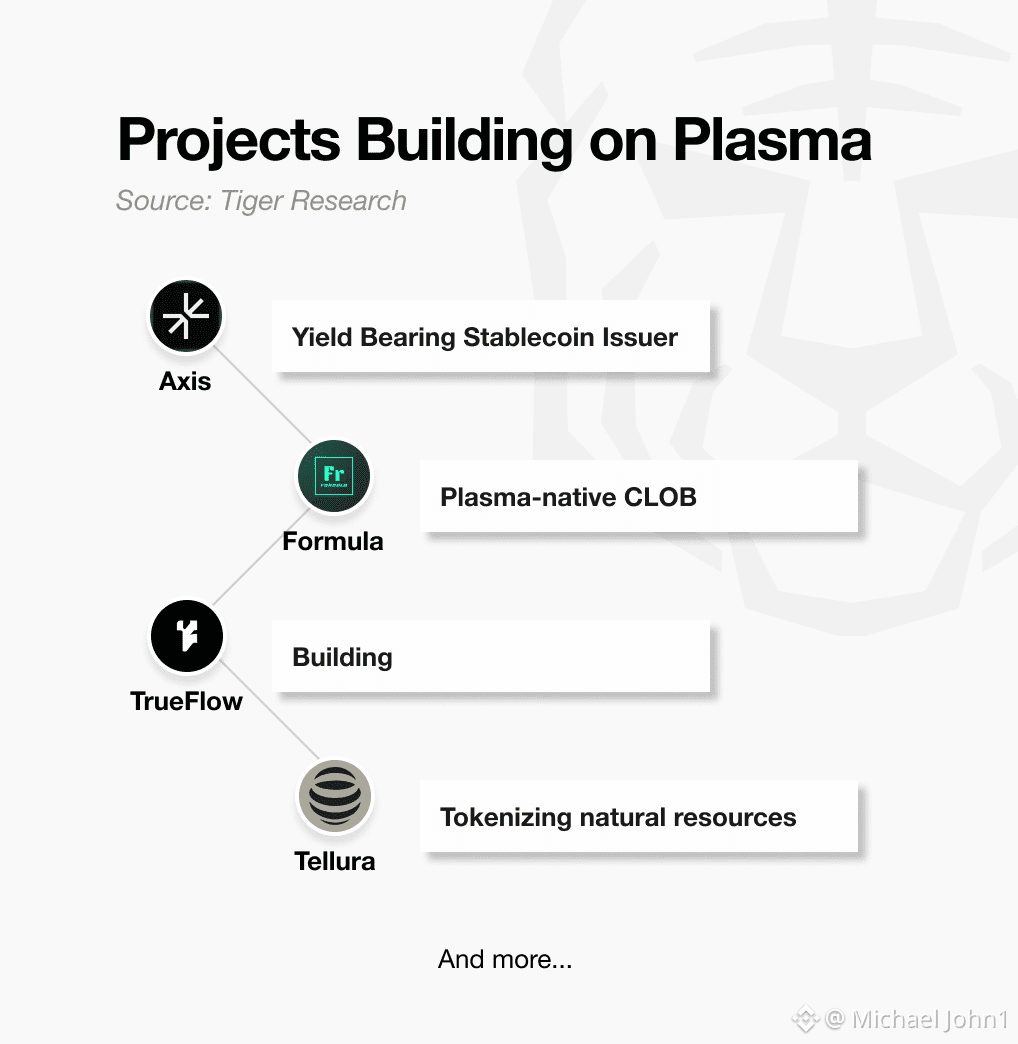
What really sets Plasma apart is its stablecoin-first design. The network enables gasless USDT transfers, which is a game-changer for everyday payments, remittances, and micropayments. Users don’t have to worry about fees eating into small transfers, and developers can build applications that assume fast, low-cost movement of digital dollars. On top of that, Plasma introduces flexible gas options that let users pay transaction fees in stablecoins themselves or even in BTC. This combination of convenience and flexibility makes it attractive not only to retail users in high-adoption markets but also to institutions looking for a reliable infrastructure for payments, treasury operations, or cross-border transfers.
Security is another pillar of the network. Plasma anchors its consensus to Bitcoin, leveraging the world’s most secure blockchain to increase neutrality and censorship resistance. By tying its security to Bitcoin, Plasma gains an extra layer of trust without relying on a single centralized authority, which is particularly appealing for businesses and users who care about decentralization and resilience.
The network launched its mainnet beta in September 2025 and came out swinging with over $2 billion in stablecoin liquidity and integrations with more than 100 DeFi protocols, including major players like Aave, Ethena, Fluid, and Euler. Its native token, XPL, was listed on Binance and other top exchanges with trading pairs such as XPL/USDT and XPL/BNB. As of today, XPL trades around $0.14 per token with a market cap near $250 million and a fully diluted valuation of roughly $1.4 billion. Trading volumes have been robust, reflecting strong community interest and adoption.
Plasma has also attracted serious backers. Funding rounds drew commitments from prominent venture funds and Tether ecosystem participants, and its public token sale was oversubscribed, signaling confidence in the project’s long-term vision. These early supporters help ensure that Plasma has the resources to continue expanding its ecosystem and bringing real utility to users.
At the end of the day, Plasma isn’t chasing hype or trying to be a catch-all Layer 1. Its focus is on real-world utility: moving stablecoins quickly, cheaply, and securely. By combining Bitcoin-backed security, EVM compatibility, sub-second finality, and stablecoin-first features, Plasma is creating a network where money can flow as freely as information does on the internet. For anyone interested in payments, remittances, or building financial infrastructure on crypto rails, Plasma represents a practical, forward-looking solution that could reshape how digital money is moved and used globally.

