

The launch phase of a blockchain project often captures the most attention, but true value is defined by what comes after. In the case of Dusk, the focus has always extended well beyond token issuance or early network adoption. The project positions itself at the intersection of privacy, compliance, and real world financial infrastructure. Rather than treating regulation as a limitation, Dusk treats it as a design requirement. This philosophy shapes how the Dusk token functions, how the network evolves, and how privacy can realistically exist in regulated markets.
At its core, Dusk Network was built to support financial instruments such as securities, equities, and regulated digital assets on-chain. These assets require confidentiality around transaction data, ownership, and business logic, but they also demand auditability and legal compliance. Traditional public blockchains struggle with this balance. Full transparency conflicts with data protection laws, while full privacy can obstruct oversight. Dusk addresses this tension by embedding regulated privacy directly into its protocol architecture rather than adding it as an afterthought.
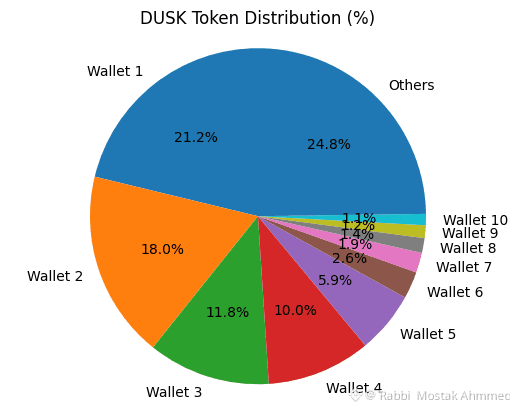
The Dusk token plays a central role in maintaining this system. It is not only a medium of exchange or speculative asset but also the fuel that secures the network and aligns incentives. Validators stake Dusk tokens to participate in consensus, ensuring honest behavior while supporting transaction finality. This staking model ties economic security to long term network health, which is essential for institutions that require predictable and stable infrastructure. Unlike experimental privacy chains, Dusk’s design choices are aimed at reliability and regulatory acceptance rather than short term hype.
One of the defining aspects of Dusk’s approach is its use of zero knowledge cryptography to enable selective disclosure. Transactions can remain private by default while still allowing authorized parties to verify compliance when required. This means sensitive information such as investor identities or transaction amounts can be shielded from the public but revealed to regulators or auditors under predefined conditions. From a regulatory standpoint, this is critical. It mirrors existing financial systems where confidentiality and oversight coexist, rather than attempting to replace them with absolute anonymity.
Beyond privacy, Dusk emphasizes programmability for regulated assets. Smart contracts on the network are designed to enforce rules automatically, such as transfer restrictions, lockup periods, or jurisdictional limitations. These rules are not manually enforced by intermediaries but encoded at the protocol level. The Dusk token indirectly supports this ecosystem by incentivizing developers and validators to maintain and improve the network. As more compliant financial products are issued on-chain, demand for secure execution and staking naturally increases.
Another important dimension is governance and long term sustainability. Dusk is structured to evolve alongside regulatory frameworks rather than resist them. Financial regulation is not static, and blockchain networks that ignore this reality risk obsolescence. Through protocol upgrades and community governance mechanisms, Dusk aims to adapt its privacy and compliance features as laws change across jurisdictions. The Dusk token becomes a governance instrument in this context, giving stakeholders a voice in how the network responds to legal and technical challenges.
From an institutional perspective, trust is not built solely on cryptography. It also depends on predictability, legal clarity, and risk management. Dusk’s design acknowledges this by avoiding maximalist narratives about replacing the financial system. Instead, it positions itself as infrastructure that complements existing markets while improving efficiency and data protection. This pragmatic stance is one reason the project emphasizes regulated privacy rather than censorship resistance alone. The Dusk token’s utility is therefore closely tied to adoption by serious market participants rather than purely retail speculation.
As the network matures beyond its launch phase, the focus shifts toward ecosystem growth. This includes onboarding issuers, custodians, and developers who understand the compliance landscape. Each new application built on Dusk reinforces the relevance of its design choices. The token benefits from this growth not through artificial scarcity narratives but through genuine usage tied to staking, transaction fees, and governance participation. Over time, this creates a feedback loop where real world adoption strengthens network security and economic value.
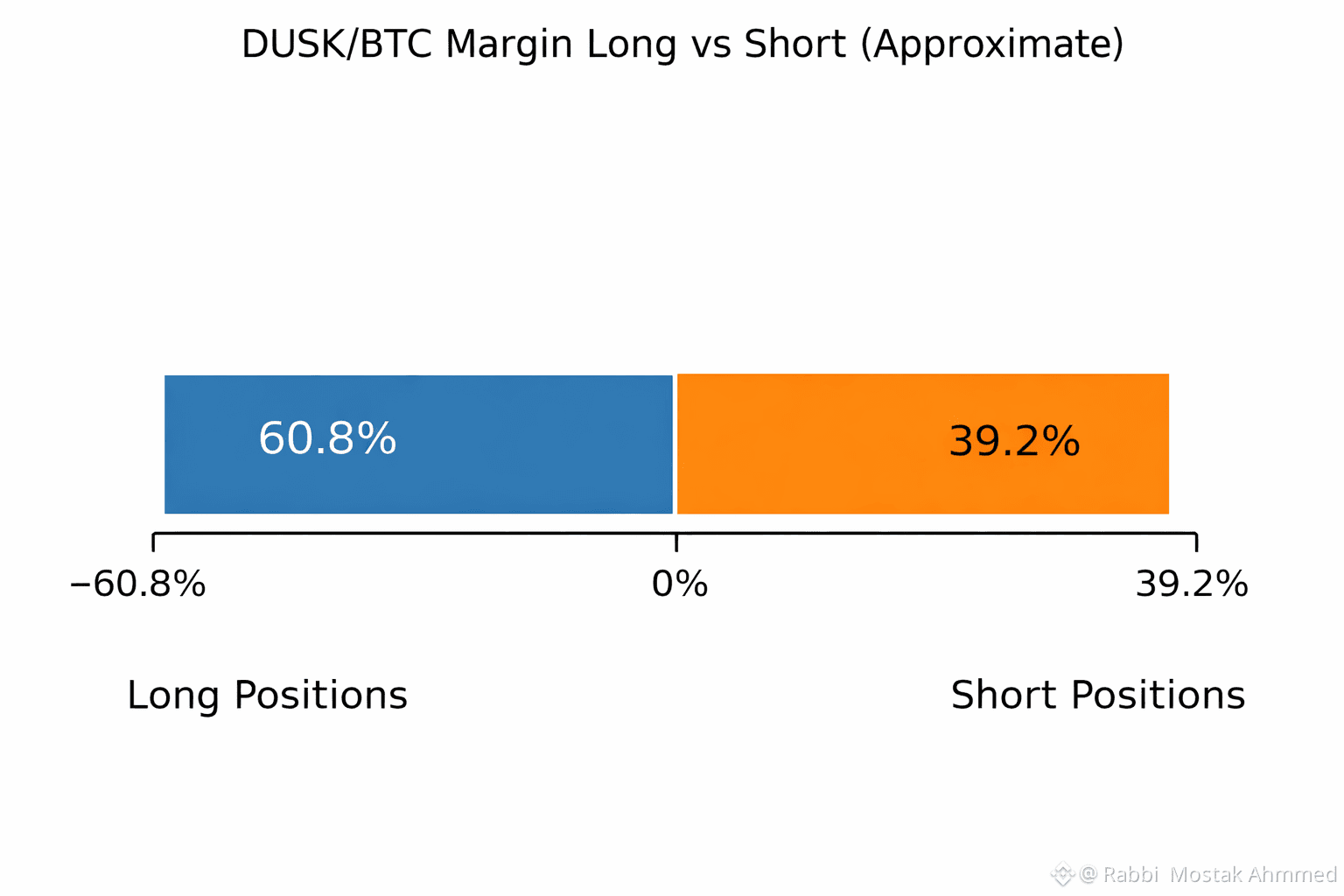
In the broader blockchain landscape, privacy is often framed as an all or nothing proposition. Dusk challenges this framing by demonstrating that privacy can be nuanced, conditional, and legally compatible. This approach may not appeal to every crypto purist, but it aligns closely with how financial systems actually operate. By embedding regulated privacy at the protocol level, Dusk offers a credible path for blockchain technology to integrate with capital markets at scale.
Ultimately, going beyond launch means proving relevance under real constraints. Dusk’s strategy shows that privacy does not have to be sacrificed for compliance, and compliance does not have to undermine decentralization. The Dusk token is a foundational component of this vision, supporting security, governance, and economic alignment. If regulated blockchain adoption continues to grow, Dusk’s design choices position it not as a short lived experiment but as long term infrastructure for confidential and compliant finance.
