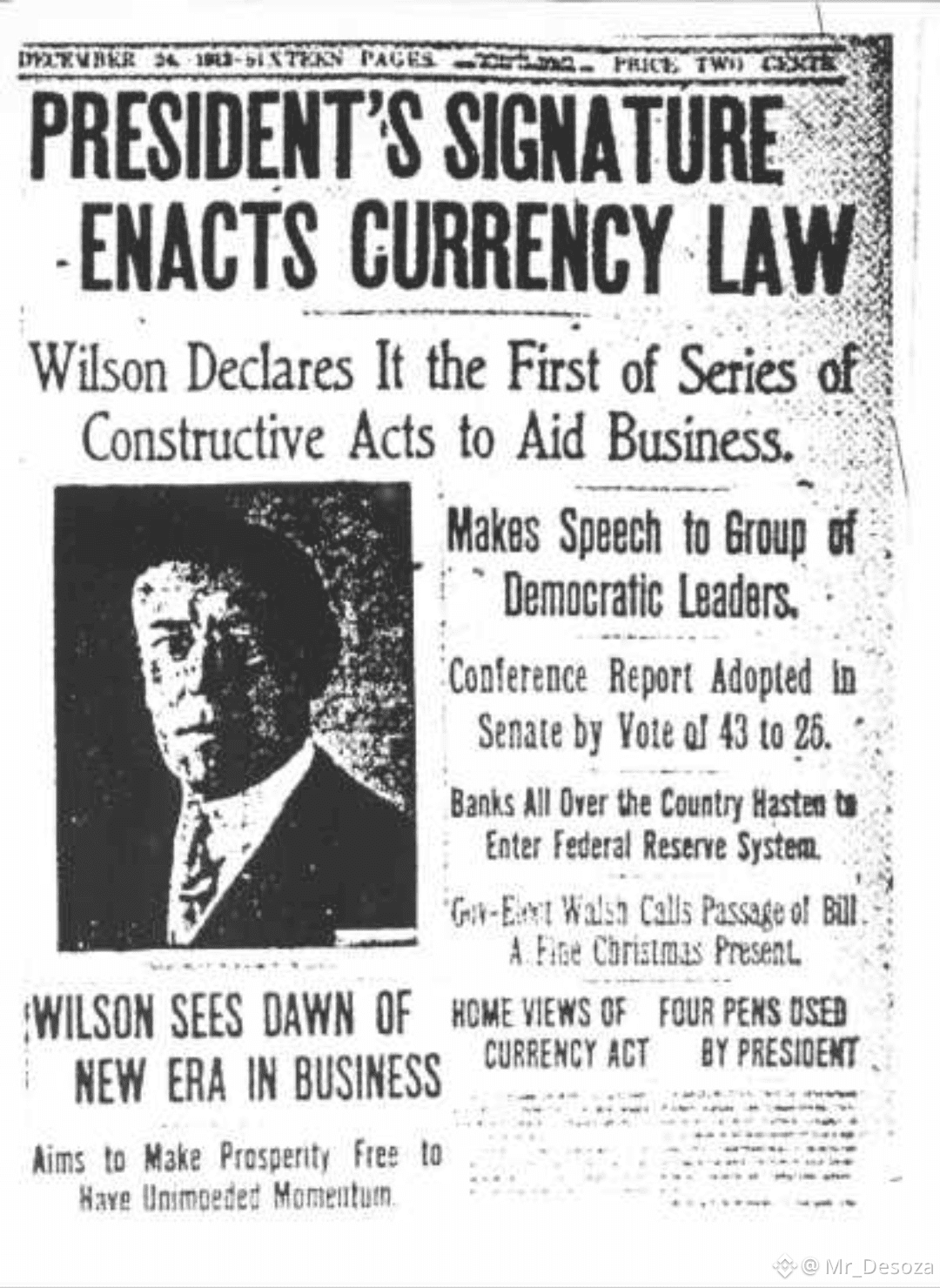
A new controversy has entered the global financial spotlight as Donald Trump announced plans to sue JPMorgan Chase, accusing the banking giant of “incorrectly and inappropriately debanking” him. While the legal case itself is rooted in traditional finance, the implications are now echoing loudly across the crypto and digital asset space.
This development has revived a sensitive topic in global finance: who controls access to money, and on what basis.
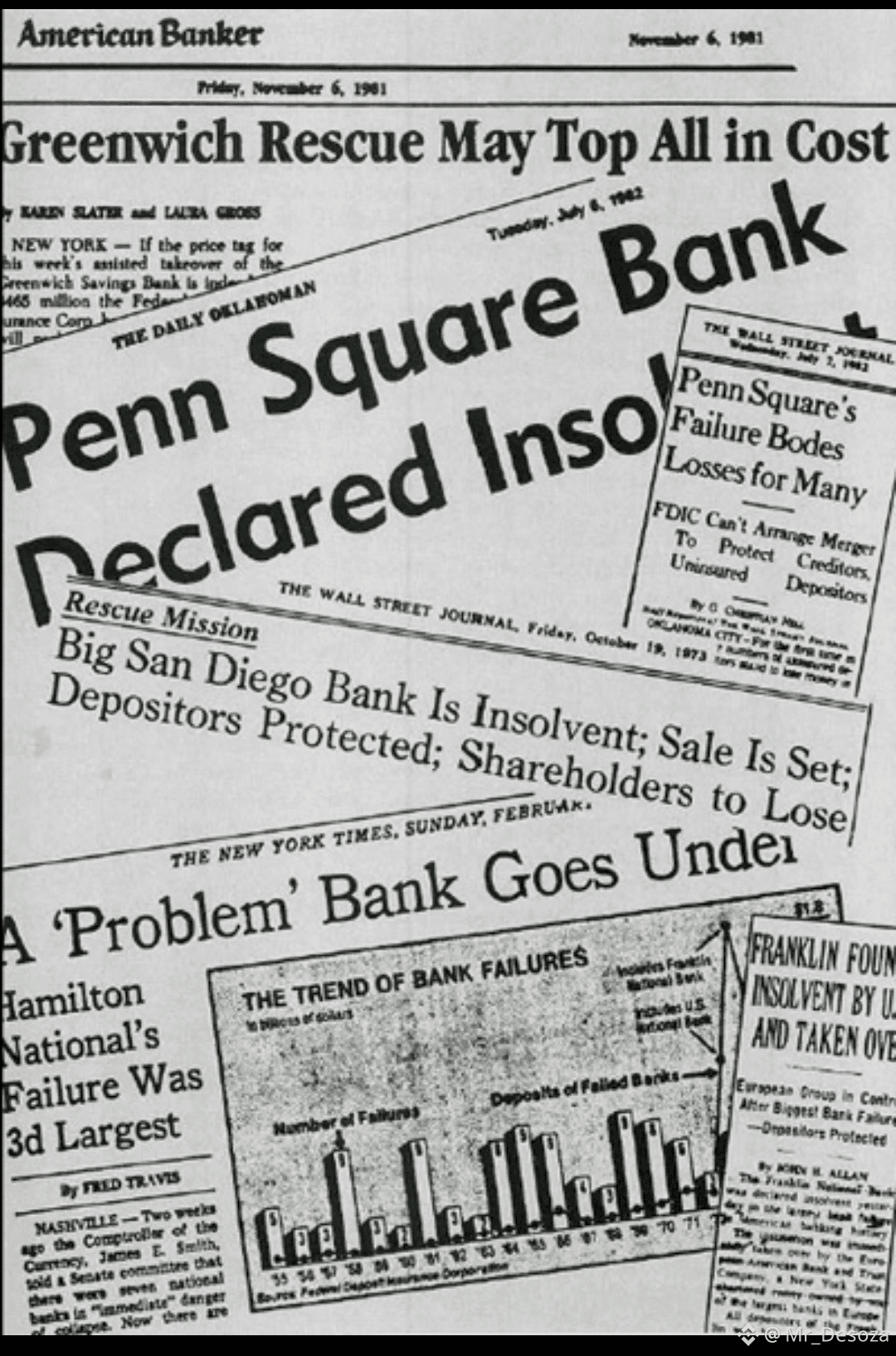
What Does “Debanking” Mean and Why It Matters
Debanking refers to a bank closing or restricting accounts without the customer’s consent, often citing internal risk policies, compliance rules, or reputational concerns. Large financial institutions have the authority to make such decisions, but critics argue the process lacks transparency and accountability.
When a high-profile political figure raises this issue publicly, it highlights a concern shared by many individuals and businesses worldwide: access to banking is not always guaranteed, even in advanced financial systems.
Why the Crypto Market Is Paying Attention
This case is trending in crypto circles for one key reason: decentralization exists to solve exactly this problem.
Crypto does not rely on permission from a single institution. No bank can freeze a Bitcoin wallet or close a decentralized account. As a result, events like this strengthen the narrative that:
Centralized finance can exclude users
Financial access is conditional
Power is concentrated in a few institutions
For the crypto community, this lawsuit is not about politics. It is about financial sovereignty.
Impact on Market Sentiment
Following the news, analysts observed:
Increased discussion around self-custody wallets
Renewed interest in Bitcoin as censorship-resistant money
Higher engagement around stablecoins and decentralized finance
Even without immediate price movement, sentiment matters. Markets often react first in narrative shifts, not charts.
Regulation, Risk, and Control
Banks argue that debanking decisions are driven by regulatory pressure, legal risk, and compliance obligations. From their perspective, account closures are defensive, not political.
However, crypto advocates counter that rules without transparency create uncertainty. When individuals or companies cannot clearly understand why access is removed, trust erodes.
This tension between regulation and freedom is at the heart of the crypto vs traditional banking debate.
Why This Case Is Bigger Than One Lawsuit
This lawsuit may or may not succeed in court, but its symbolic impact is already visible. It raises questions such as:
Should banks have unlimited discretion over access to financial services?
Where is the line between compliance and overreach?
Do decentralized systems offer a fairer alternative?
For crypto investors, these questions are not theoretical. They directly influence adoption, innovation, and long-term value.
Ethical Perspective
It is important to stay balanced. This case does not automatically mean all banks act unfairly, nor does it mean crypto is risk-free. Both systems have strengths and weaknesses.
Ethical analysis requires acknowledging that financial stability and financial freedom must coexist. The challenge is finding that balance without excluding users from the system.
The Trump–JPMorgan dispute is not just a legal clash. It is a reminder that access to money equals access to power. Every time debanking becomes public, it reinforces why millions are exploring decentralized alternatives.
Crypto was not created to replace banks overnight, but stories like this explain why it continues to grow. In a world where financial access can be revoked, permissionless systems naturally gain relevance.
As the case develops, traditional markets will watch the courts. Crypto markets, however, are watching something bigger: the future of financial control itself.
#MarketRebound #BTC100kNext? #StrategyBTCPurchase #USDemocraticPartyBlueVault #WriteToEarnUpgrade $BTC