

Walrus has emerged as an important concept in the evolving blockchain ecosystem, not just as a name but as a symbol of stability, scalability, and long term value creation. At the center of this ecosystem lies the WAL token, which plays a critical role in aligning users, builders, and infrastructure providers. Understanding why Walrus is important requires looking at both its technological vision and the economic function of the WAL token that powers it.
At its core, Walrus is designed to address one of the most pressing challenges in decentralized systems: efficient and reliable data availability. As blockchains grow, the need to store, verify, and access large volumes of data becomes a bottleneck. Walrus focuses on solving this problem by enabling scalable data storage and retrieval while maintaining decentralization and security. This makes the Walrus ecosystem highly relevant for next generation applications such as decentralized finance, gaming, AI driven protocols, and large scale Web3 platforms. The WAL token is the economic backbone that ensures this system operates smoothly and sustainably.
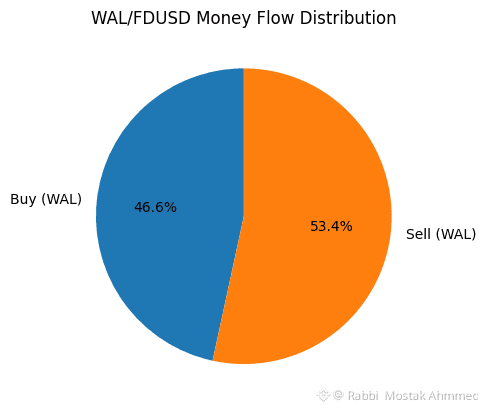
The WAL token is important because it acts as the primary incentive mechanism within the Walrus ecosystem. Participants who contribute resources such as storage, bandwidth, or validation services are rewarded in WAL. This creates a self reinforcing economy where honest participation is economically beneficial. At the same time, WAL is used to pay for services within the network, which gives the token real utility rather than speculative value alone. As usage of Walrus grows, demand for WAL naturally increases, strengthening its role in the ecosystem.
Another key reason Walrus is important lies in its approach to decentralization. Centralized data storage creates single points of failure and exposes users to censorship and data loss. Walrus distributes data across a decentralized network, reducing systemic risk and improving resilience. The WAL token supports this model by encouraging a wide range of independent participants to join the network. This distribution of power is essential for building trustless systems that do not rely on a single authority.
From an economic perspective, WAL also plays a governance role. Token holders can participate in decision making processes related to protocol upgrades, parameter changes, and future development priorities. This governance function ensures that Walrus evolves in line with the interests of its community rather than a small group of insiders. As more stakeholders hold and use WAL, governance becomes more representative and robust, which is crucial for long term sustainability.
Walrus is also important because it is designed with interoperability and future growth in mind. Modern blockchain ecosystems do not exist in isolation. Walrus aims to integrate with multiple chains and protocols, allowing data and value to move efficiently across ecosystems. The WAL token facilitates these interactions by serving as a common economic layer. This positions Walrus as infrastructure rather than a niche application, increasing its relevance over time.
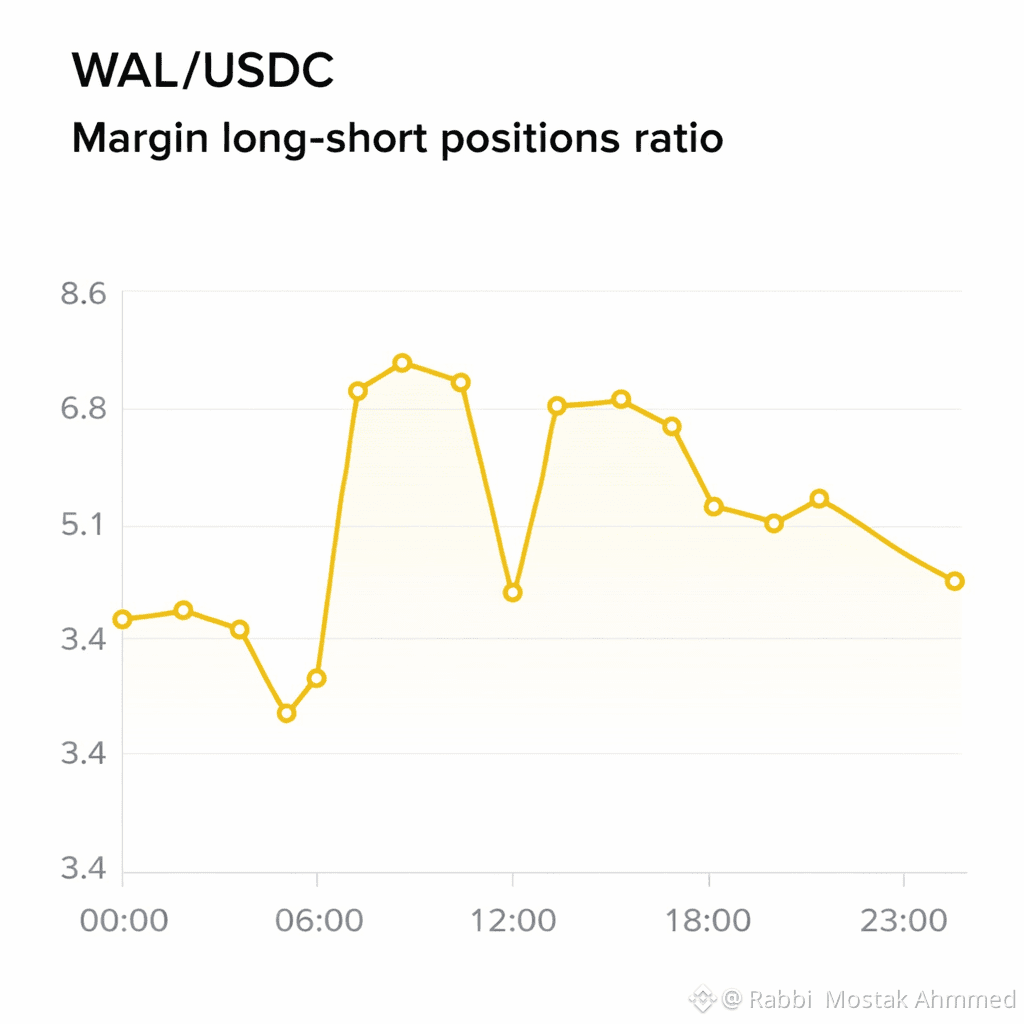
Finally, the importance of Walrus and the WAL token can be seen in their potential long term impact. As decentralized applications continue to expand, demand for secure, scalable, and cost effective data solutions will grow. Walrus addresses this demand directly, and WAL captures the value generated by the network’s adoption. This combination of real utility, strong incentives, and forward looking design makes Walrus more than just another project. It represents a foundational layer for the decentralized internet, with the WAL token at the center of its economic and governance structure.

