
The topic of stablecoin infrastructure is no longer theoretical. As digital dollars move from exchanges into everyday commerce, the question is no longer if blockchains can handle payments, but which architectures are actually built for it. As of now it can be said that Plasma sits at the center of this shift, designed not just as a general experiment, but also as purpose-built infrastructure for stablecoin and scale money movement.
The problem is Most blockchains try to be everything at once. Payments, NFTs, gaming, DeFi, governance. Plasma takes a different path. It focuses on one core mission: moving USD₮ and other stablecoins fast, reliably, and at global scale. For this, Plasma combines three powerful ideas: a high-performance consensus layer, Ethereum’s battle-tested execution environment, and a trust-minimized bridge to Bitcoin.
Seems very highy technical thing but its simple. At a technical level, Plasma separates consensus from execution, much like separating air traffic control from the airplanes themselves. Consensus is handled by PlasmaBFT, a pipelined implementation of Fast HotStuff. Instead of waiting for fixed time slots or relying on extra finality layers, PlasmaBFT continuously proposes and finalizes blocks. Think of it like a factory assembly line rather than a stop-and-go traffic system. Multiple steps happen in parallel, reducing delays and dramatically increasing throughput. This is critical for payments, where latency matters as much as cost.
Now Execution, which is handled by Reth, a modern Ethereum execution client written in Rust. Reth runs the EVM exactly as Ethereum does. Every opcode, contract call, and state transition behaves the same. For developers, this means zero mental overhead. Existing smart contracts, tooling, and libraries work out of the box. Plasma does not ask developers to learn a new model; it gives them a faster environment for the one they already trust.
The glue between these layers is Ethereum’s Engine API. PlasmaBFT decides what block comes next and when it becomes final. Reth decides how transactions execute and how state changes. This clean separation makes the system modular, easier to optimize, and safer to evolve. Plasma can upgrade consensus performance without touching execution logic, or improve execution efficiency without destabilizing consensus.
Another important thing is that Built on top of this foundation is Plasma’s Bitcoin bridge. Unlike custodial bridges or synthetic assets, Plasma’s bridge is secured by a decentralized verifier network. When BTC moves into Plasma, it becomes verifiable and programmable inside the EVM environment without being controlled by a centralized intermediary. This opens the door for Bitcoin liquidity to participate directly in stablecoin-native applications, from payments to yield strategies.
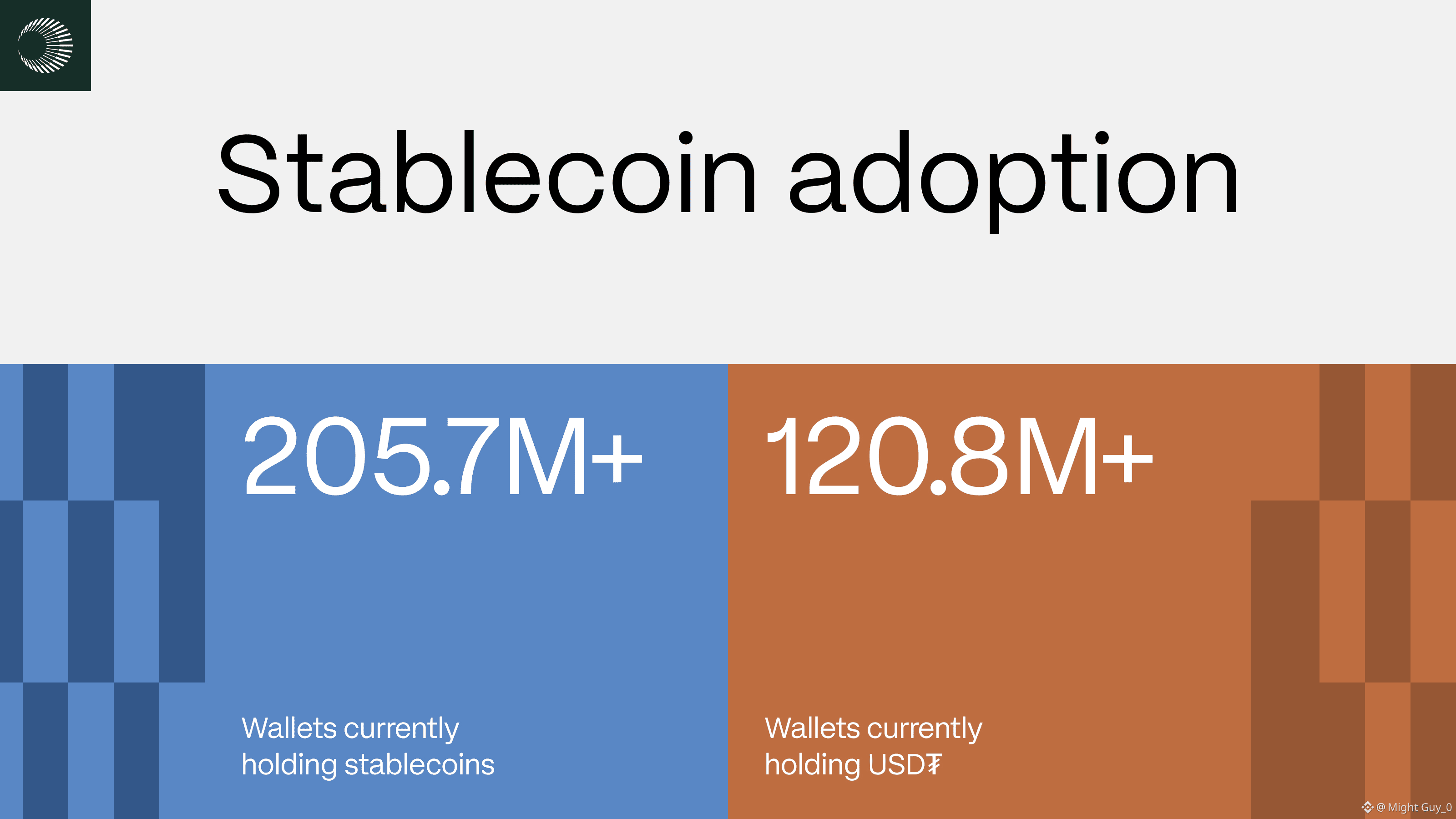
Why does this architecture matter now? Because the future of crypto is moving toward real-world usage. Stablecoins are already used for remittances, payroll, cross-border trade, and treasury management. As volumes grow, blockchains optimized for experimentation will struggle, while systems designed for throughput, predictability, and compliance-aware privacy will thrive. The real word use might be discussed in the later articles.
Moreover, what can be seen is #Plasma ’s design reflects this reality. It keeps what works, Ethereum’s execution model and developer ecosystem, and replaces what doesn’t scale, slow consensus and fragmented finality. The result is infrastructure that feels familiar to builders, fast to users, and relevant to the next phase of global digital finance.
As stablecoins increasingly resemble digital cash for the internet, architectures like @Plasma are not just improvements. They are prerequisites for the future.


