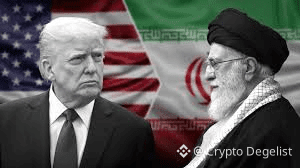
In a stunning reversal that has the world holding its breath, U.S. President Donald Trump has publicly thanked the leadership of Iran—a nation he threatened with "very strong action" just days ago—after claiming Tehran halted the planned executions of hundreds of detained protesters. This unexpected diplomatic twist de-escalates soaring tensions that brought the region to the brink of potential conflict.
Here’s the explosive timeline of how we got here:
Jan. 2: Trump vows to "rescue" Iranian protesters if the regime uses violence.
Early Jan.: Warnings of "grave consequences" and imminent mass executions of detainees send shockwaves globally.
Jan. 8-14: A brutal, nationwide crackdown by Iranian security forces leaves thousands dead. The U.S. military makes visible preparations for potential strikes, relocating personnel in Qatar.
Jan. 16 (Friday): In a fiery sermon, senior Iranian cleric Ayatollah Ahmad Khatami calls for protesters to be put to death and threatens "hard revenge" against Trump and Israel.
Hours Later, Jan. 16: In a complete about-face, Trump tells reporters, "Iran canceled the hanging of over 800 people... and I greatly respect the fact that they canceled". He credits this "good authority" from within Iran for influencing his decision not to launch a military strike.
📉 The Brutal Backdrop: A Nation Silenced
While Trump’s praise suggests a resolution, the reality inside Iran remains dire. The protests, which began on December 28 over a crippling economic crisis, have been violently suppressed.
A Chilling Toll: Human rights groups report thousands killed—figures far exceeding any protest wave in decades. One activist network puts the death toll at 3,090 and rising. Videos verified by Human Rights Watch show hundreds of body bags in morgues, with victims suffering gunshot wounds to the head and torso.
A Society in Lockdown: For over a week, Iran has been under a severe internet blackout. Streets in Tehran appear calm, but the silence is enforced by fear and severed communications.
🇮🇷 Two Irans: The Regime vs. The Resistance
The narrative is split. While the government claims control, powerful opposing voices are emerging:
The Hardliners: Cleric Ahmad Khatami’s venomous Friday sermon demonstrates the regime's defiant rage, labeling protesters as "Trump's soldiers".
The Exiled Opposition: Crown Prince Reza Pahlavi, son of Iran’s deposed king, is urging protesters to return to the streets this weekend, calling Trump "a man of his word" and pleading for the promised U.S. help.
🌍 The Global Chessboard: Why Trump May Have Stepped Back
Behind the scenes, intense diplomatic pressure likely shaped the U.S. pullback.
Regional Allies Wary: Key U.S. partners in the Gulf—including Saudi Arabia, Qatar, and Oman—expressed "grave misgivings," fearing American strikes would trigger Iranian retaliation and catastrophic regional instability.
A "Winning" Calculus: Analysts suggest Trump’ strategy is to keep adversaries guessing. The recent U.S. success in Venezuela may have made the threat of force credible enough to achieve a concession—like halting executions—without firing a shot.
🔮 What Happens Next?
The crisis is paused, not over. Key questions loom:
Will protesters, encouraged by exile leaders, risk returning to the streets?
Can the international community independently verify the halt of death sentences?
With Iran's economy in freefall and regional influence weakened, is this a lasting shift or a tactical retreat by a besieged regime?
One thing is clear: The world just witnessed a high-stakes game of diplomatic brinksmanship, where the threat of mass executions nearly sparked a war—and a last-minute reprieve, for now, has changed the game.