
Walrus has positioned itself as an emerging infrastructure token within the decentralized storage and data availability sector. As blockchain applications expand toward artificial intelligence large scale media and modular networks the demand for efficient data storage is expected to increase steadily. This growing need forms the foundation for long term price discussions around the WAL token especially when projecting toward the year 2030.
At present Walrus operates with a capped total supply designed to support long term network sustainability. The WAL token plays multiple roles including payment for storage staking for network security and participation in governance. This multi utility structure is important because price appreciation over long horizons depends not only on speculation but also on consistent token demand generated by real network usage.
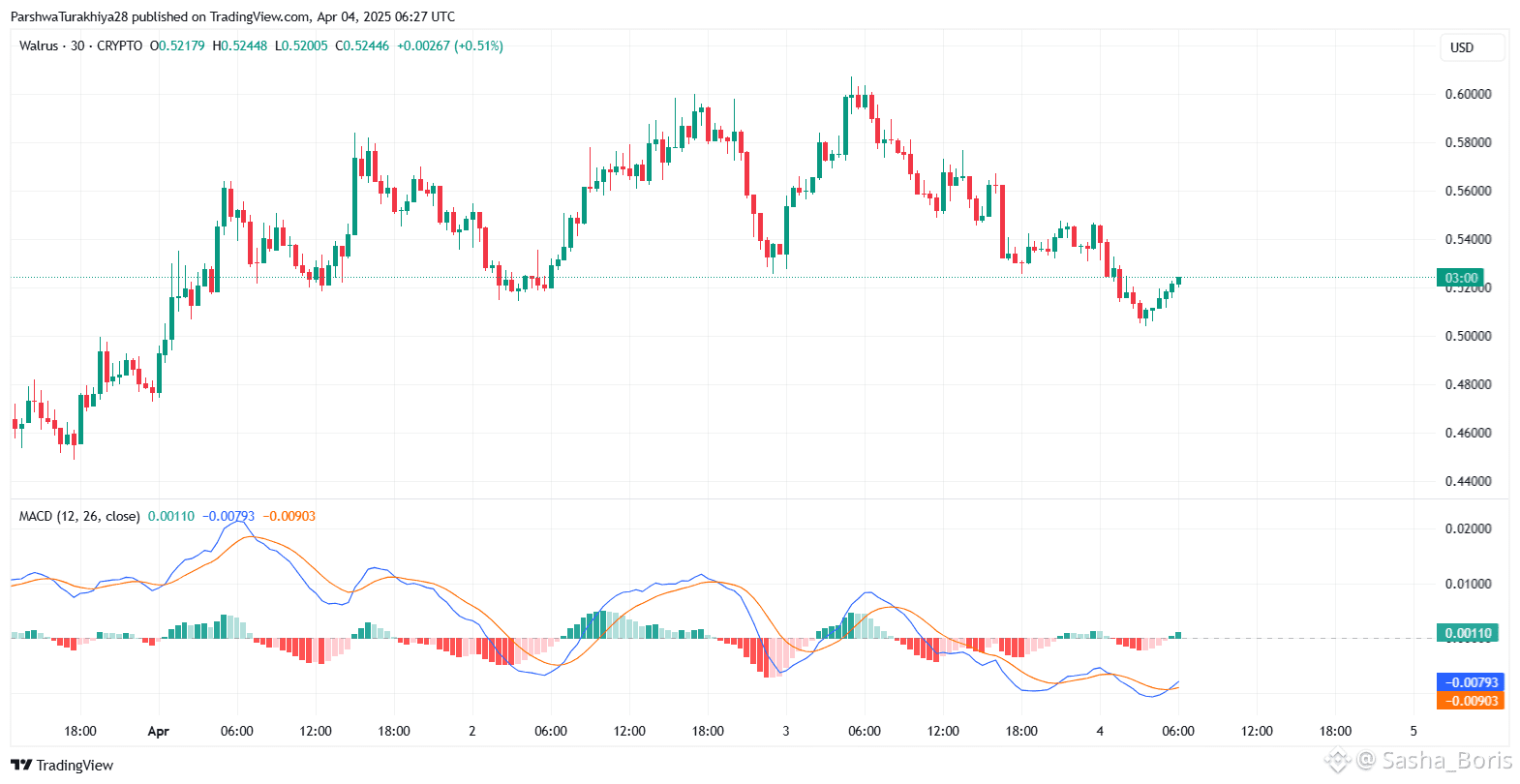
Looking toward 2030 most long term models divide Walrus price expectations into three broad categories conservative moderate and high growth. Each scenario depends heavily on adoption speed overall crypto market conditions and the success of decentralized storage as a core Web3 primitive.
In a conservative scenario Walrus experiences gradual growth but limited breakout adoption. Storage usage increases slowly while competition from established protocols restricts market share expansion. Under these conditions WAL price projections remain relatively modest with estimates generally ranging between a few cents and under one dollar by 2030. This outlook assumes restrained liquidity cautious investor sentiment and extended periods of market consolidation.
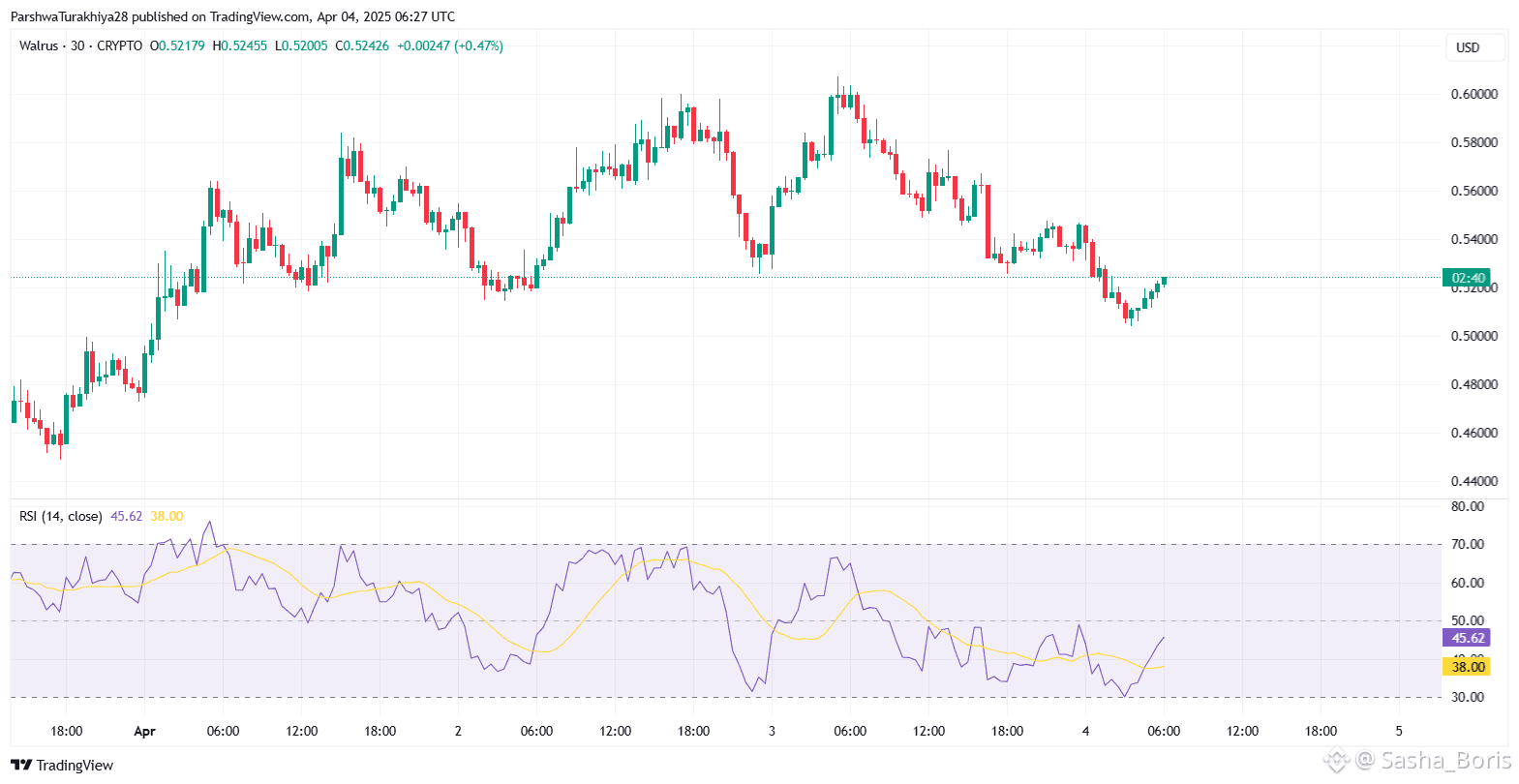
The moderate growth scenario is considered by many analysts to be the most realistic path. In this case Walrus secures consistent adoption among developers especially in ecosystems that require blob storage data availability and AI related infrastructure. As onchain activity expands WAL demand increases organically through storage payments and staking participation. Under this trajectory price projections commonly fall within the one to two dollar range by 2030 with potential to extend slightly higher during strong market cycles.
The bullish scenario assumes a broader structural shift in crypto infrastructure. If decentralized storage becomes a core requirement for AI training decentralized social platforms gaming and modular blockchains Walrus could benefit significantly. In such an environment WAL demand would be driven not only by speculation but by continuous protocol usage. Under high adoption conditions long term models project prices ranging from several dollars to high single digit levels by 2030 depending on circulating supply dynamics and macro market expansion.
Several key drivers influence these projections. The first is real usage growth measured by the volume of data stored and the number of active applications relying on Walrus. The second is token economics where staking participation reduces circulating supply and stabilizes the network. The third is broader crypto market health since infrastructure tokens historically perform strongest during expansion phases. Regulatory clarity also plays a major role as institutional participation can significantly amplify long term liquidity.
At the same time risks remain present. Decentralized storage is a competitive sector with constant innovation. If Walrus fails to maintain technological relevance or loses developer interest price growth could remain limited. Token unlock schedules market volatility and macroeconomic instability may also affect long term outcomes. These risks explain why long range forecasts vary widely and must be viewed as probability ranges rather than guarantees.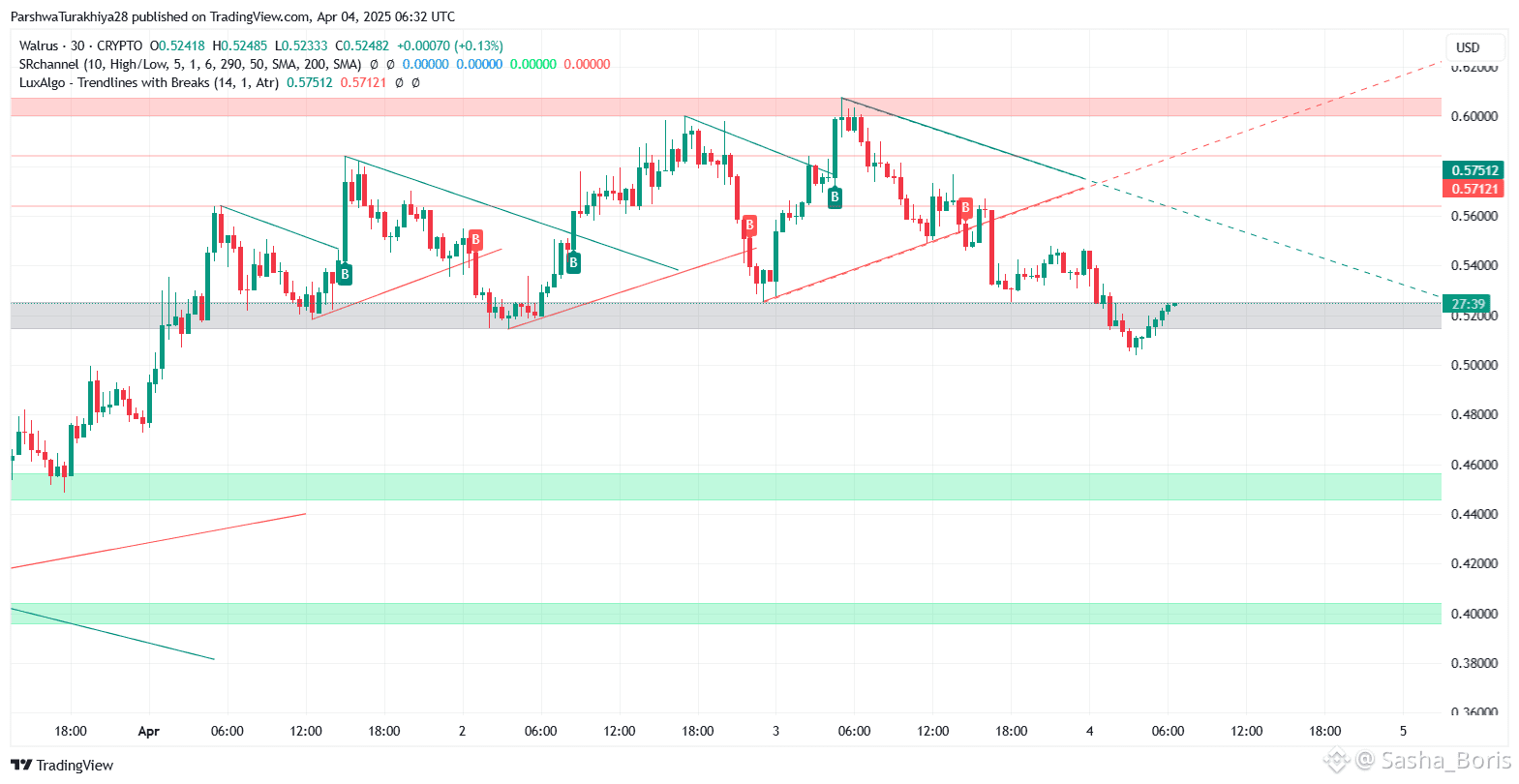
By 2030 Walrus price is likely to reflect a combination of network maturity adoption depth and the overall evolution of Web3 infrastructure. Conservative models place WAL in lower valuation ranges moderate models point toward steady multi year appreciation while bullish projections depend on large scale structural adoption of decentralized data systems. The most professional conclusion is that Walrus carries asymmetric potential but its ultimate valuation will be decided by real utility not narrative alone.

