
A desk treats “almost final” like final, because it usually gets away with it.
On Dusk, that habit is where flows stall.
A state transition is sitting one step short of deterministic finality. Everyone can feel where it’s going. The next leg is already prepared—inputs gathered, downstream action queued, somebody already speaking as if settlement is a formality. Then the protocol refuses to let the next transition lean on that confidence.
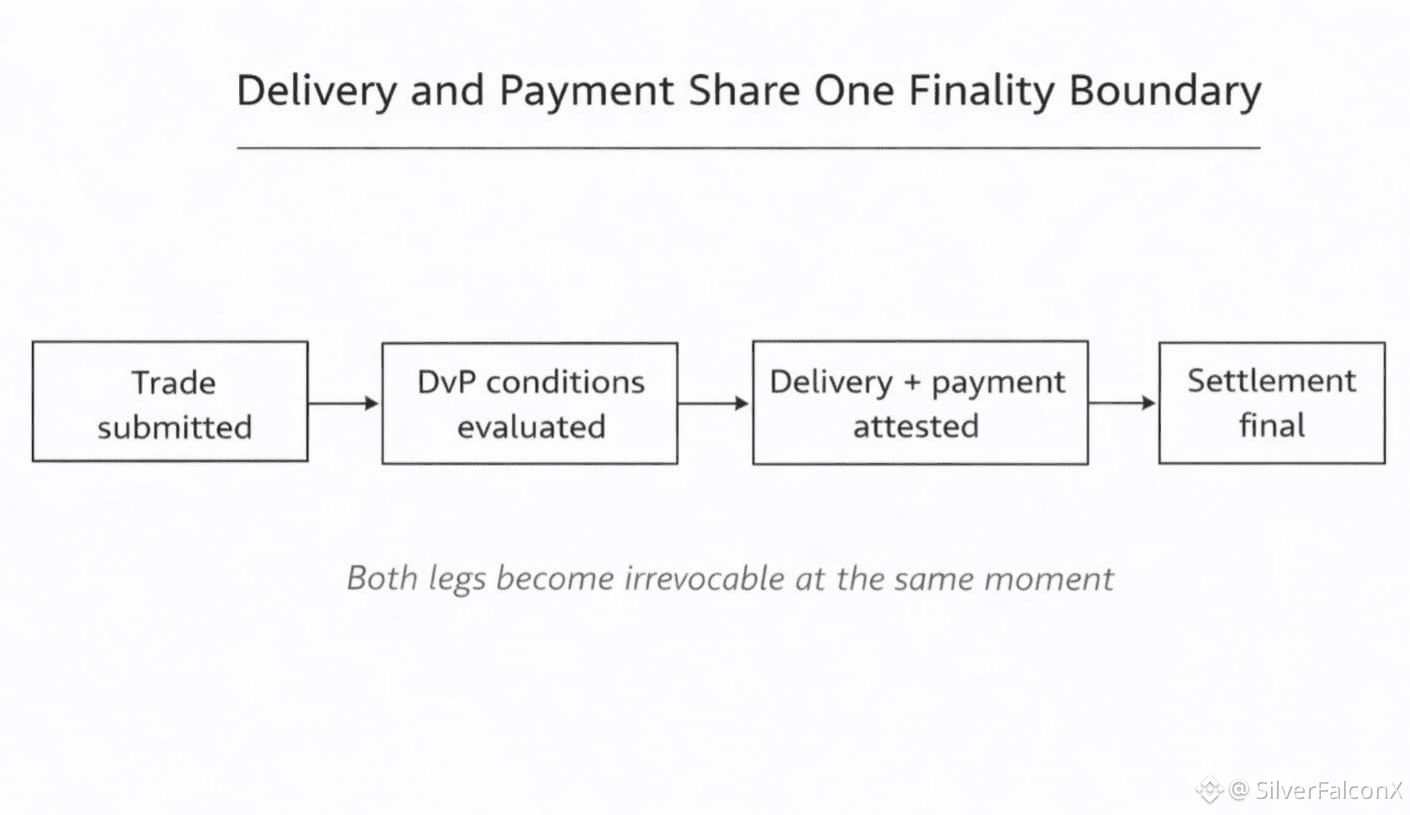
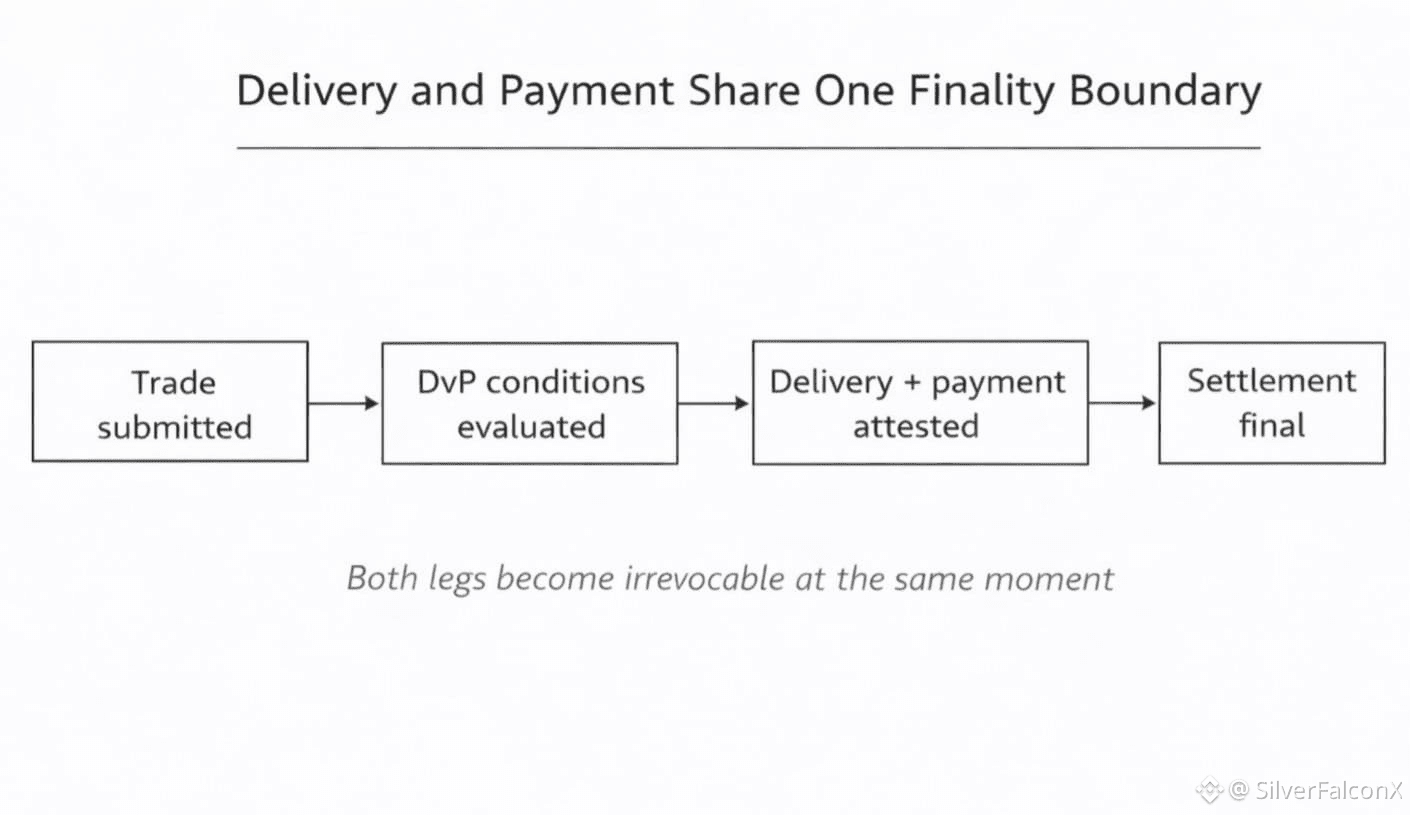
Nothing advances until the prior outcome is actually attested and final in the DuskDS sense. Not “likely.” Not “it’s been fine so far.” Final.
That sounds pedantic until you watch what operators do under time pressure.
Most stacks quietly encourage optimistic sequencing. You build on top of what looks settled because speed pays and reversals are rare enough to be treated as edge cases. When it works, it looks like efficiency. When it fails, the explanation expands: timing, reorg risk, partial visibility, “we’ll reconcile.” Responsibility drifts into process.
Dusk doesn’t give process a job here.
If the dependency hasn’t crossed finality, the next move doesn’t exist yet. The protocol doesn’t care that the risk feels acceptable. It doesn’t care that everyone on the call agrees it’s “basically done.” Agreement isn’t a primitive. Finality is.
Privacy makes this sharper, not softer.
There’s no public execution noise to lean on. No mempool reassurance. No external trace that lets teams convince themselves progress is happening. The system stays quiet until the condition is satisfied, and that quiet gets misread as slowness when it’s really refusal to speculate.
Capital sits. Timelines slip. Windows get missed for reasons nobody can narrate as an outage.
The uncomfortable part is what this does to behavior.
Strategies that depend on optimistic chaining lose their edge. Workflows built around “expected confirmation” have to be rebuilt so they don’t commit downstream actions before the prior state is defensible. Operators on Disk stop treating finality as a courtesy and start treating it like a gate that will close on them if they try to rush it.
Other systems let you borrow time and pay later.
Dusk makes you pay now, in the only currency it recognizes: a state transition that either reached finality or didn’t.
