
When you look at how people actually use stablecoins, it becomes clear that the problem isn’t demand, it’s friction.
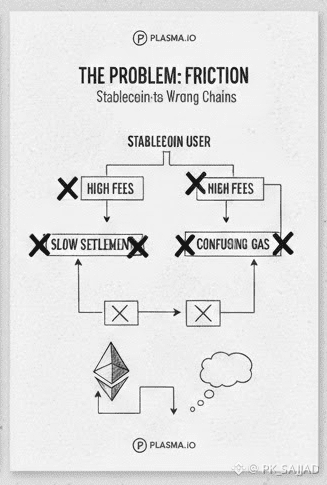
The most commonly used digital currency in the cryptocurrency ecosystem is Stablecoins, which is an important part of the ecosystem with millions of users using it for a variety of purposes from Global payments, Remittances to day to day transactions. The problem with most Stablecoins is that they operate on blockchains not originally designed for this type of product, hence the high fees, slow settlement times, and confusing gas mechanics impede the operational efficacy of Stablecoins.
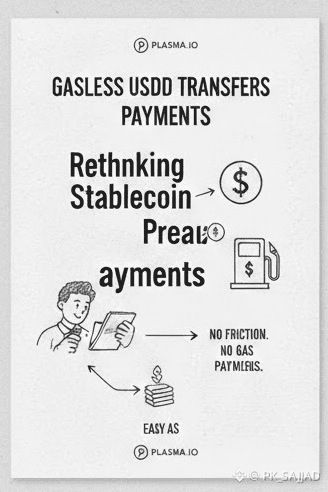
The notion that Stablecoins are simply a product and needs to be considered when building a blockchain network is Plasma's view.One of Plasma's most useful innovations is gas-free USDT transfers. As daily users, we may find little benefit in paying for gas in a constantly changing token. Users face added friction and uncertainty, primarily in those places where stablecoins are utilized as local currency. To rid the user of this issue, plasma enables stablecoins as gas; payment transfers will therefore feel more similar to standard digital payments rather than crypto-based transactions.
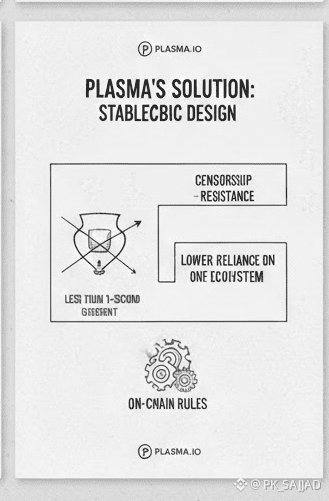
Speed also plays a significant role in the payments ecosystem as the time frame for payments and settlement must always be predictable and rapid. Plasma's PlasmaBFT Consensus allows for less than one second settlement with confirmed payment. This is extremely beneficial for merchants, payment service providers, and fintech platforms because they cannot afford to experience the rejection of payments due to processing delays or reok risk during the settlement phase of the transaction process.In addition, Plasma has EVM compatibility through Reth, meaning existing Ethereum applications can be deployed without needing to create a new stack. Developers now have a choice between efficiency and interoperability; Plasma achieves both through its support for live payment flows.
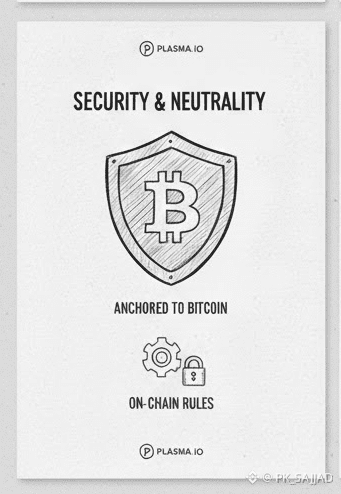
Security and neutrality are also key design elements of Plasma; by anchoring security to Bitcoin, it strengthens censorship-resistance, and lowers the reliance on any one ecosystem.
The target audience for Plasma is twofold: (1) The retail user, who exists in high adoption environments and will benefit from the increased security and censorship-resistance. (2) Institutions who require predictable, neutral infrastructure to support payments and settlements.
There are many parts of Plasma that make it different; however, the most important aspect is that it does not intend to replace all the uses cases of a blockchain. It is focused specifically on one use case that already has achieved significant scalability: Stablecoin Payments.
Plasma has redesigned the way in which stablecoin payments occur by solving critical issues that occur during periods of significant instability as a result of increased adoption.
The increasing maturation of Cryptocurrency will create a demand for the infrastructures created based on actual use, rather than by conceptualised narratives. Although concepts of gasless transfers, fast settlement, and Stablecoin-specific designs appear to lack marketability, they fulfil invaluable needs in the marketplace and represent a transition of how blockchains can be developed and used based on how individuals actually utilise money as opposed to how Blockchain Protocols were designed in a conceptual manner.

