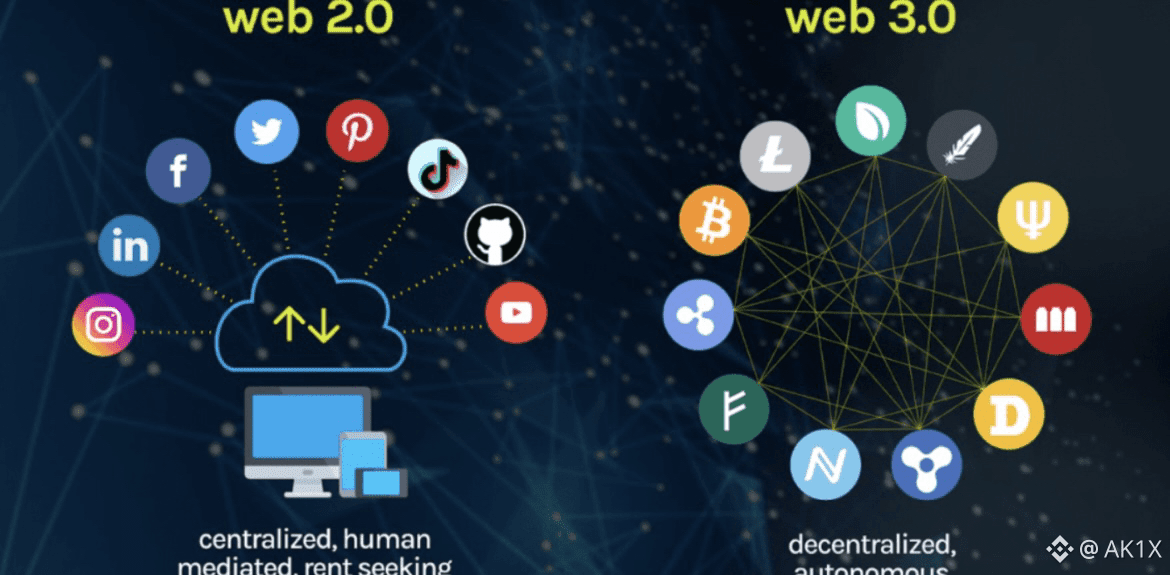
Walrus is built around a simple but very important idea: data in Web3 should be as reliable as transactions. Today, blockchains are trusted to move value, execute smart contracts, and keep records safe. But the moment an application needs images, videos, datasets, or files, that trust often breaks. Most Web3 apps still store their data on centralized servers or weak storage systems that do not guarantee long-term availability. Walrus exists to close this gap.
The main problem is not just where data is stored, but how long it stays accessible. In many decentralized storage systems, data is uploaded once and then assumed to exist forever. In reality, nodes leave, incentives change, and files slowly disappear. This leads to broken links, missing media, and unreliable applications. Walrus starts from a different mindset. It assumes that data will disappear unless the network actively prevents it, and it designs everything around stopping that from happening.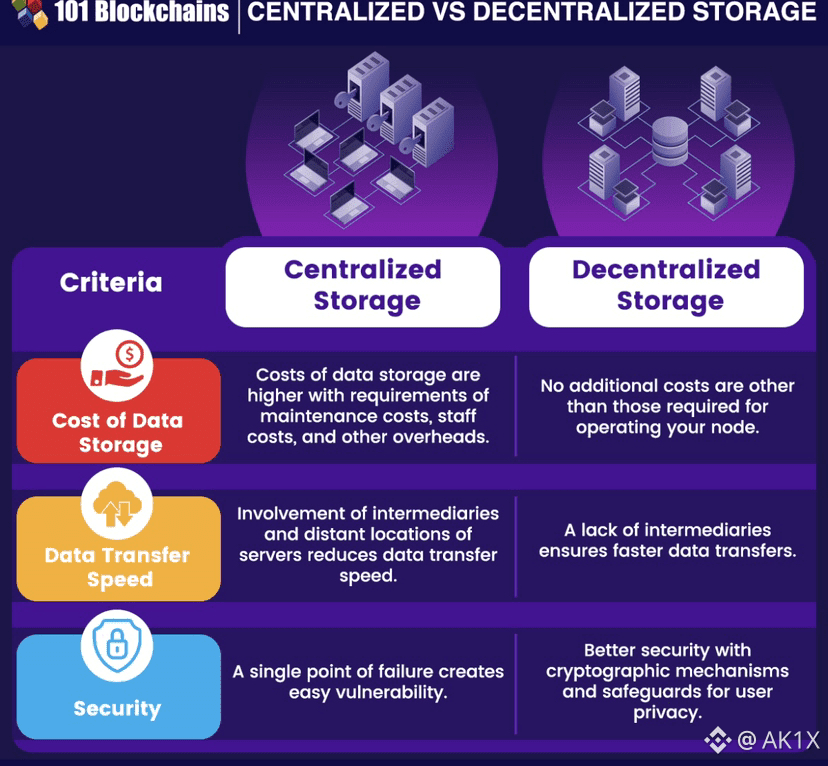
Walrus breaks large files into smaller encoded pieces and distributes them across many independent storage nodes. The system is designed so the original file can still be rebuilt even if several nodes go offline. This makes the network flexible and resilient in real-world conditions, where failure is normal. Instead of copying full files again and again, Walrus uses smart encoding to reduce cost while keeping data safe.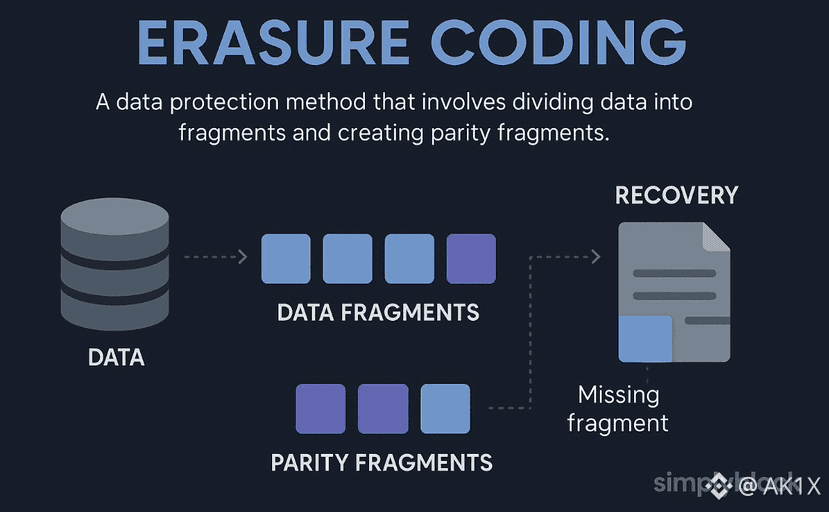
What truly makes Walrus different is how it handles data availability. Storage nodes are not trusted by default. They must regularly prove that they still hold the data they claim to store. These proofs are cryptographic and random, which makes cheating very difficult. If a node fails to prove availability, it loses rewards. This turns storage from a promise into something that can be verified again and again.
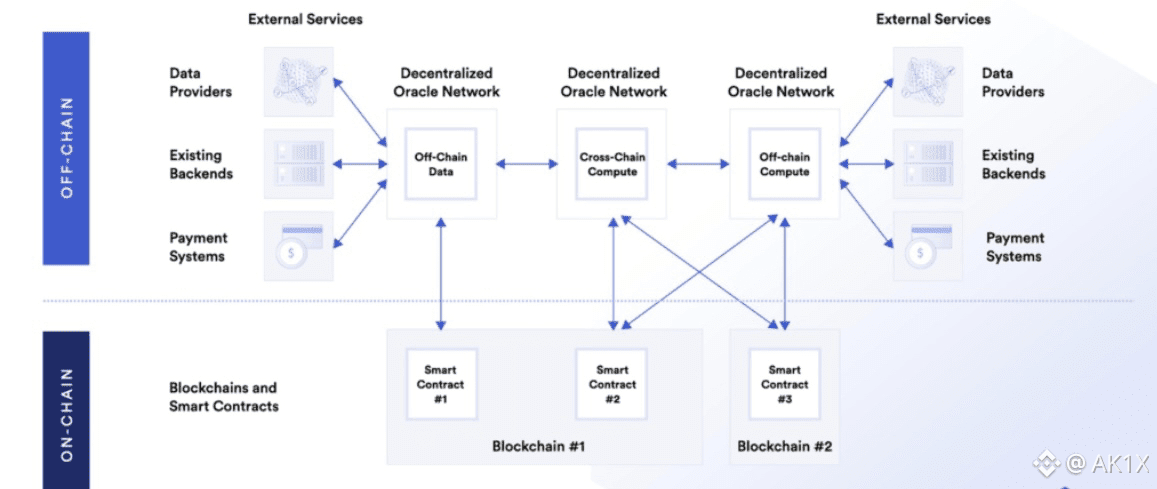
This design is especially important for real-world use cases. AI systems need datasets that remain available and unchanged. Games need large asset libraries that players can always access. Media platforms need content that cannot quietly disappear. Walrus is built for these heavy data needs, not just for experimentation.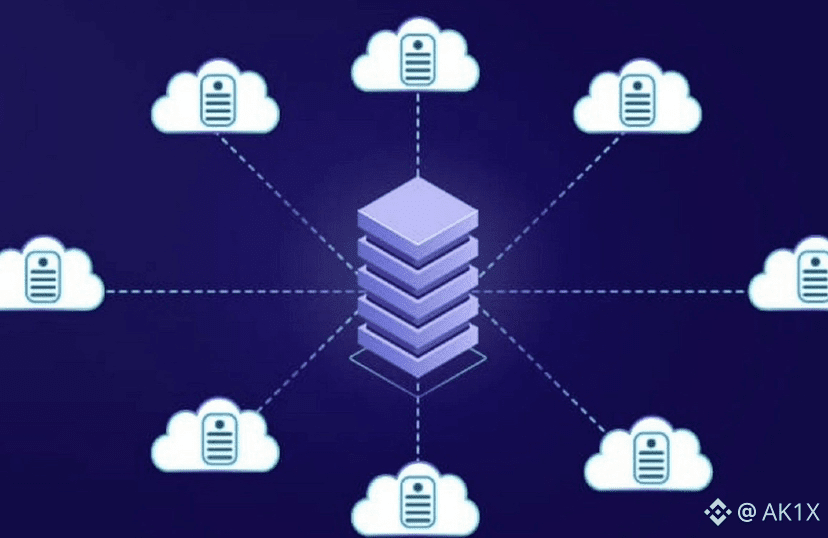
In simple terms, Walrus treats data like value: something that must be protected, checked, and maintained over time. It is not focused on hype or short-term trends. As Web3 grows beyond experiments and into real usage, reliability will matter more than speed or noise. Walrus is built for that future a future where decentralized applications can finally trust their own data.