
Dusk is a Layer-1 blockchain built specifically for regulated financial markets, and that focus alone makes it very different from most crypto projects. While many blockchains prioritize open transparency, Dusk starts from a real-world financial perspective: privacy is not optional, but compliance is also non-negotiable. The idea behind @dusk_foundation is to create blockchain infrastructure where sensitive financial data is protected by default, yet rules, audits, and legal requirements can still be enforced on-chain. This is why Dusk often describes itself as the privacy blockchain for regulated finance, and why is positioned more toward institutions and real-world asset use cases rather than pure retail speculation. 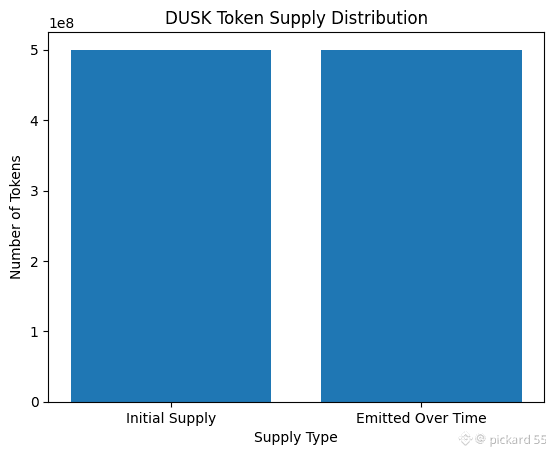
In traditional finance, privacy is critical. Banks, funds, and companies cannot expose balances, counterparties, or strategies to the public. At the same time, regulators require visibility, reporting, and enforceable rules. Most public blockchains fail at this balance because everything is transparent, while private systems sacrifice decentralization. Dusk matters because it is trying to solve this exact conflict. It aims to allow assets, securities, and payments to exist on-chain without turning them into public data, while still enabling compliance checks, eligibility rules, and settlement guarantees. If tokenization of real-world assets is going to scale, infrastructure like this becomes necessary.
Dusk works by combining privacy technology with a settlement-focused blockchain design. It uses zero-knowledge techniques so that transactions can be validated without revealing sensitive details. This allows transfers and balances to remain confidential while still being provably correct. At the same time, Dusk embeds compliance logic into the protocol itself rather than leaving it to off-chain intermediaries. This means identity checks, permissions, and rules can be enforced by smart logic instead of trust. Another key design choice is deterministic finality. In financial markets, settlement certainty is critical, so Dusk is built to ensure that once a block is finalized, it is final under normal conditions.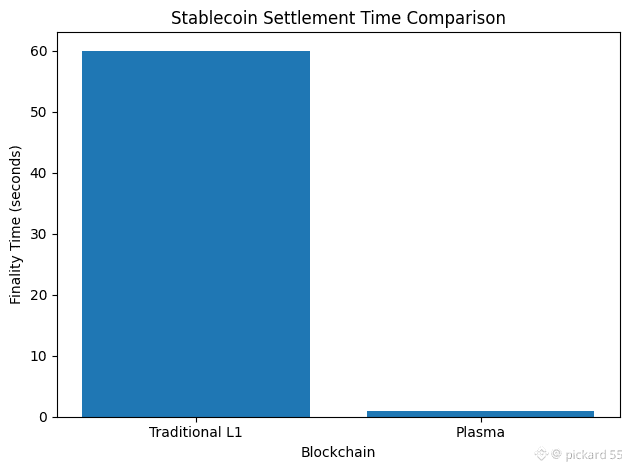
The network uses a consensus approach called Succinct Attestation. In simple terms, it focuses on fast and reliable block finalization through selected participants who validate and ratify blocks. This design prioritizes settlement speed and certainty rather than just raw transaction throughput. For financial instruments, fast and clear settlement reduces risk and aligns better with how traditional markets operate. This is one reason Dusk positions itself as market infrastructure rather than a general-purpose consumer chain.
Dusk also recognizes that not all transactions need the same level of privacy. The protocol supports different transaction models so developers and institutions can choose the right balance between confidentiality and auditability. This flexibility is important because some flows must remain private, while others may need to be transparent or reviewable by regulators. By offering these options, Dusk avoids forcing a single privacy model onto every use case.
The ecosystem around Dusk is built with real adoption in mind. One of the key components is Zedger, which focuses on compliant asset issuance and management. This is designed for tokenized securities and regulated assets where ownership and transfers must follow strict rules. Another important element is Dusk Pay, which targets compliance-ready payment flows and electronic money–style use cases. Dusk has also discussed Lightspeed, an EVM-compatible Layer-2 concept that allows developers to use familiar Ethereum tools while benefiting from Dusk’s settlement and privacy layer. Together, these components show that the ecosystem strategy is centered on financial infrastructure rather than hype-driven applications.
The tokenomics of are structured with long-term network security in mind. The maximum supply is capped at 1 billion DUSK. Half of this supply was created initially, and the remaining half is emitted gradually over time as staking rewards. Emissions are spread across a very long period, around 36 years, and follow a decreasing schedule so inflation reduces over time. This design aims to incentivize early participation while avoiding excessive long-term dilution. DUSK is used for staking, paying network fees, deploying applications, and rewarding participants who help secure and operate the network. Staking requires a minimum amount, which encourages committed participants rather than purely speculative behavior.
Looking ahead, the roadmap focuses heavily on real-world adoption. After mainnet, the priorities include expanding tokenization capabilities, improving staking and settlement features, integrating custodians, and supporting compliant payments. Later phases aim to deepen institutional usage, scale regulated markets, and move toward full on-chain issuance, clearance, and settlement of financial assets. The roadmap is ambitious, but it is consistent with the long-term vision of becoming core infrastructure for regulated crypto finance.
There are also clear challenges. Regulated finance moves slowly, and adoption can take years even if the technology is strong. Balancing privacy and compliance across different jurisdictions is complex and constantly changing. Developer adoption is another hurdle, because builders often go where users already are. On top of that, privacy-focused systems are technically complex and must maintain very high security standards to earn institutional trust. Token economics also need real usage growth to support long-term value.
Overall, Dusk stands out because it is not trying to be everything for everyone. It is targeting a specific and very large problem: bringing regulated financial markets on-chain without sacrificing privacy or compliance. If tokenized assets and institutional crypto continue to grow, infrastructure like Dusk becomes increasingly relevant. That is why @dusk_foundation and $DUSK are worth watching closely as the next phase of blockchain adoption unfolds.
