
Plasma exists because stablecoins already handle huge amounts of value every day, yet they often move across chains that weren’t really made for that job. Someone sends money to a family member overseas, or a small business settles an invoice, and the whole thing can still feel clunky—high fees on one network, delays on another, or extra steps to bridge assets. Plasma tries to change that by building a Layer 1 blockchain from the beginning around stablecoins.
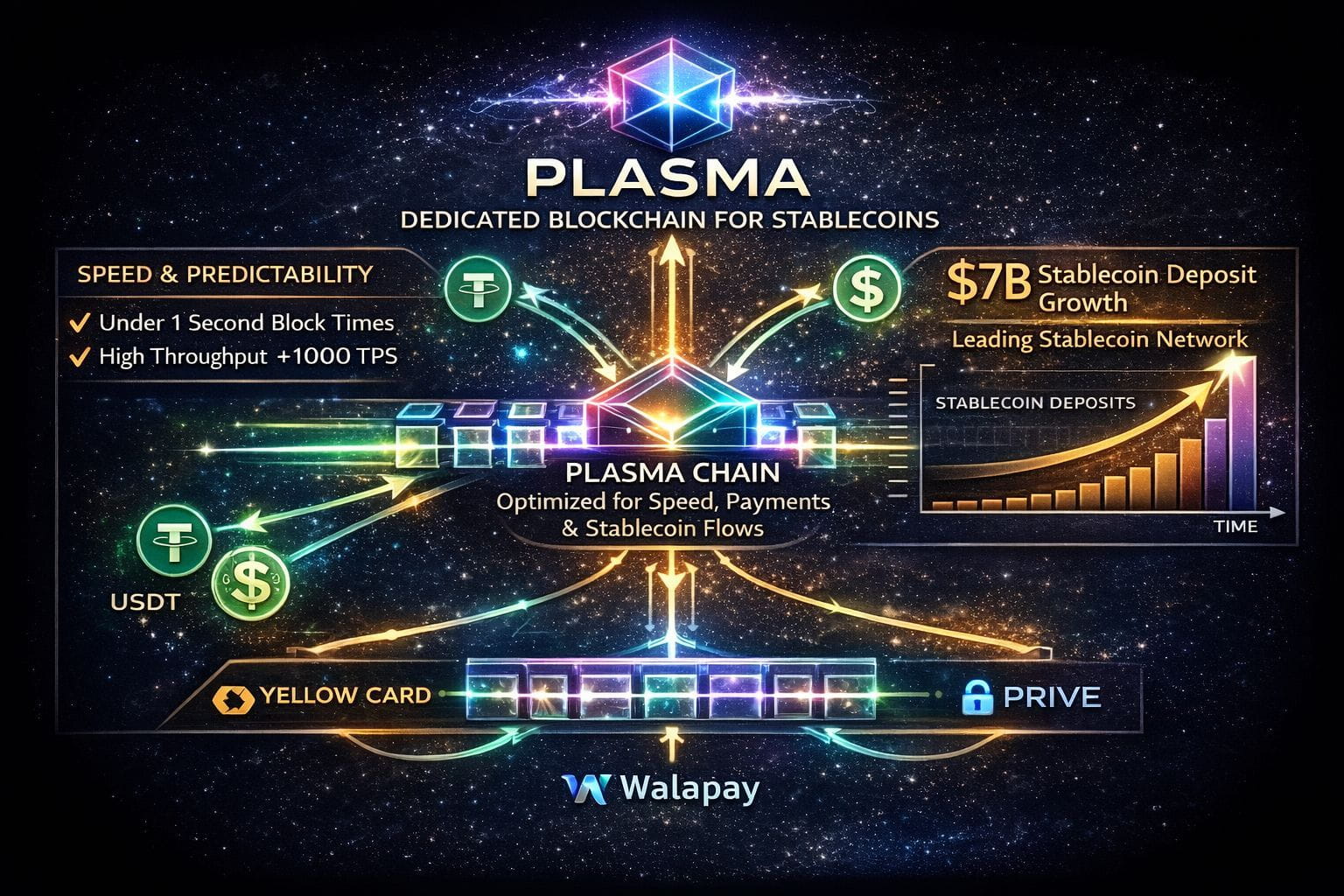 The chain aims for over a thousand transactions per second with blocks confirming in less than a second. Transfer fees for something like USDT show up listed around twenty dollars in some spots on their site, though in practice they’ve worked on ways to make certain transfers feel closer to free for users through protocol-level setups. It supports more than twenty-five different stablecoins right now, everything from major ones like Tether to regional versions tied to pesos or rupiah. They’ve got activity in over a hundred countries, handling more than a hundred currencies and two hundred payment methods through various integrations. Deposits on the network have reached seven billion in stablecoin value, and it sits as the fourth-largest chain by Tether balance.
Think of it like a dedicated highway built just for heavy trucks carrying predictable loads, instead of forcing those trucks to share a busy city street with every kind of vehicle. The idea is that by narrowing the focus—no gaming, no broad NFT ecosystems, just payments and stablecoin flows—the chain can optimize for speed, predictability, and lower friction. Partnerships show up with names like Yellow Card, Prive, Walapay, and bigger backers including Bitfinex, Founders Fund, Framework, Flow Traders, DRW. Tether’s CEO has spoken positively about it providing necessary rails as adoption grows. Other voices, from former regulators to policy figures, point to stablecoins potentially reshaping global money movement or reinforcing dollar use digitally.
DeFi has found a foothold here too. Aave runs one of its bigger markets on Plasma, with billions supplied and borrowed, and other protocols add lending or yield options that feel more efficient because the chain handles stable assets natively.
Still, no project like this comes without real questions. The token tied to the chain saw sharp drops after launch—eighty percent or more in some periods—as early hype cooled, unlocked allocations hit the market, and usage stayed thinner than promised. Concentration shows up in deposits, with large portions held by a small number of wallets, which always raises thoughts about how decentralized things truly are or how resilient the system stays under pressure. Any new chain faces competition from established networks that already have liquidity and developers; copying the stablecoin focus isn’t impossible for others. Security risks exist too—smart contracts can have bugs, bridges (even native ones) carry vulnerabilities, and zero-fee paths, while attractive, need careful rate-limiting to avoid spam or denial-of-service issues down the line. Regulatory uncertainty hangs over everything stablecoin-related, especially as governments watch cross-border flows more closely. Adoption isn’t guaranteed; if major issuers or big payment players don’t deepen integration, the network could end up quiet despite the tech.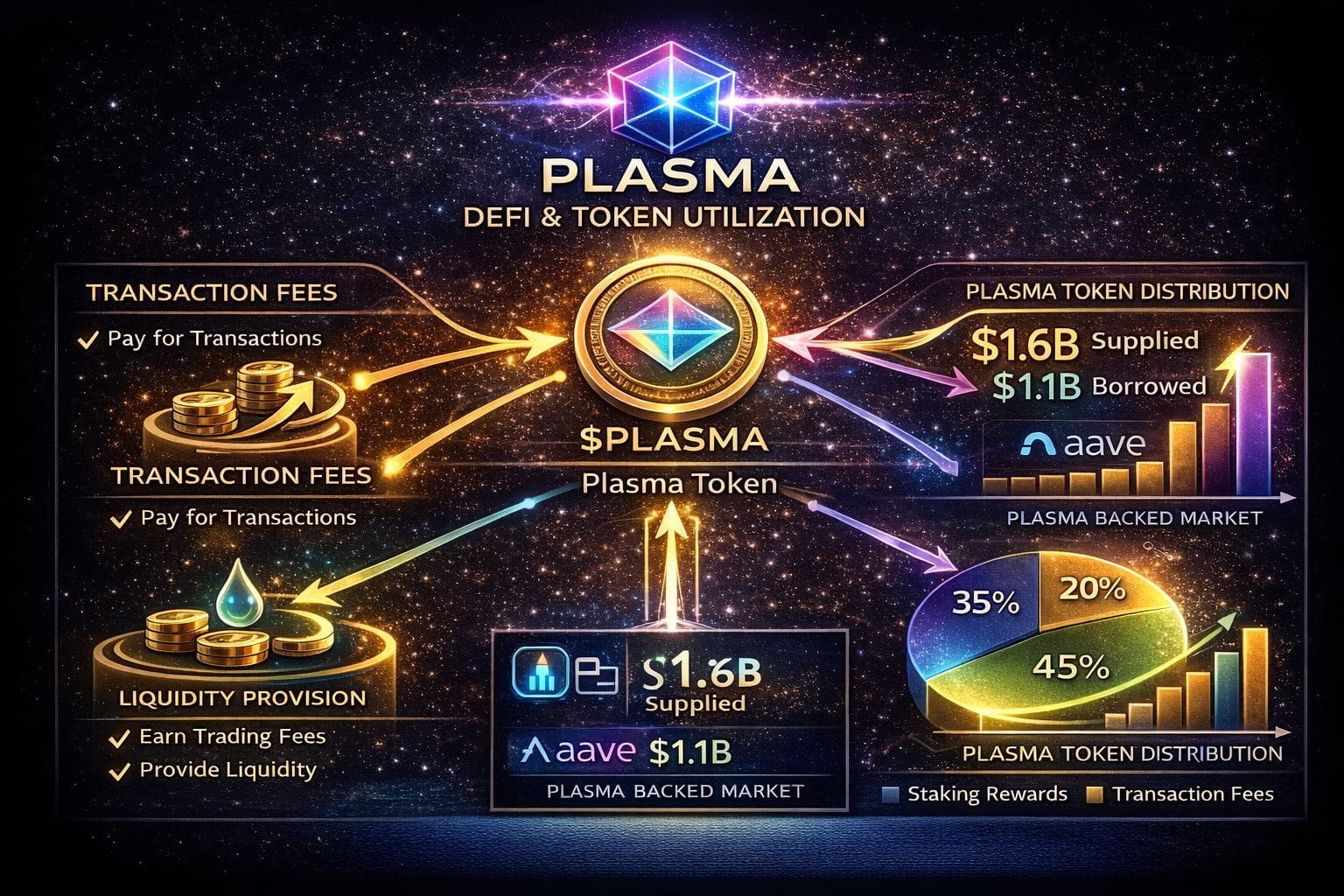
The Learn Center on their site keeps things straightforward, with pieces explaining how stablecoin payments compare to bank transfers, what crypto-collateralized stablecoins do, differences between central bank digital currencies and private stablecoins, even basics like blockchain hashes or protocols. It’s the kind of material that helps someone new get oriented without feeling lectured.
In the end, Plasma feels like one serious attempt to make the plumbing for digital dollars less noticeable. Whether it becomes the quiet backbone for a lot of everyday movement or stays a niche experiment depends on execution, timing, and how the broader world decides to route value. For now it’s simply there, running, handling real transfers, and reminding us that even in crypto the most useful advances often come down to making ordinary things work a little smoother.

