

@Vanar existe porque uma verdade dura se estabeleceu para qualquer um que tenha passado tempo suficiente em cripto: a maioria das blockchains não é construída para pessoas, elas são construídas para narrativas. Elas otimizam números de throughput, palavras-chave modulares ou abstração financeira, enquanto assumem silenciosamente que os usuários se adaptarão ao sistema. Vanar inverte essa suposição. Começa da ideia de que, se o Web3 deve atingir além de um pequeno grupo de participantes tecnicamente fluentes, então a infraestrutura em si deve parecer invisível, estável e intuitiva para os tipos de indústrias que já entendem grandes públicos. Jogos, entretenimento, mundos digitais e marcas de consumo não são missões secundárias aqui, elas são a razão pela qual a cadeia existe.
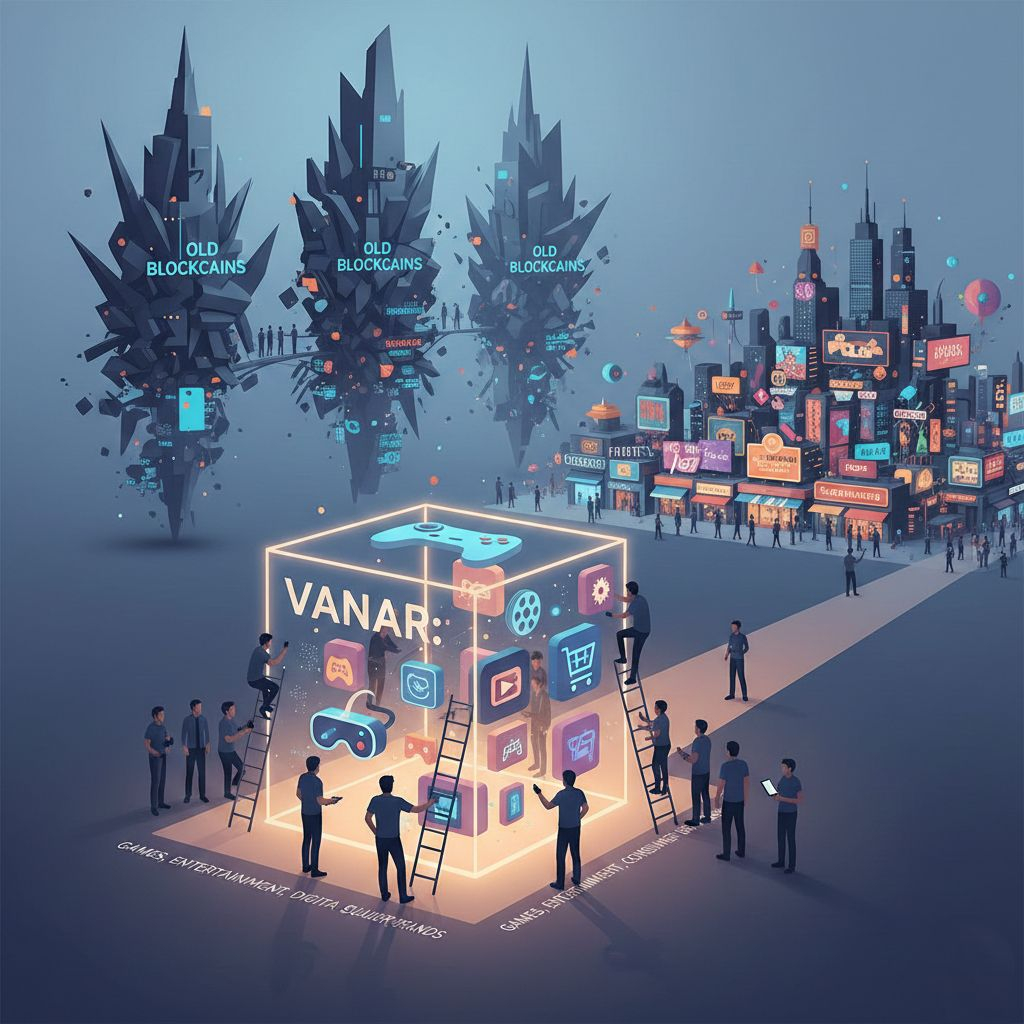
O projeto foi moldado por equipes que trabalharam dentro dessas indústrias muito antes de a blockchain entrar na conversa. Esse histórico é importante. Ele cria um instinto diferente para compensações. Em jogos ou mídia, a latência não é uma preocupação acadêmica e o tempo de inatividade não é tolerado. Os usuários não se importam com qual modelo de consenso você escolheu se a experiência parecer quebrada. Vanar foi projetado com essa realidade em mente, como uma Camada 1 que trata desempenho, previsibilidade e ergonomia do desenvolvedor como requisitos de primeira ordem em vez de otimizações futuras. Está menos interessada em ser tudo para todos e mais focada em ser confiável para aplicações que exigem interação constante.
O problema que Vanar está abordando é um que o ecossistema Web3 raramente enquadra claramente. O cripto provou que pode coordenar capital de forma eficiente, mas não provou que pode suportar ambientes digitais vivos e persistentes em escala. A maioria das cadeias foi construída em torno de transações, não de experiências. Essa lacuna se torna óbvia quando você tenta construir um jogo, um metaverso ou uma plataforma voltada para o consumidor onde a lógica blockchain deve operar continuamente em segundo plano. Taxas altas, execução imprevisível e ferramentas frágeis silenciosamente empurram os desenvolvedores de volta para arquiteturas Web2, mesmo quando acreditam na propriedade on-chain. Vanar existe para remover essas fricções sem pedir aos desenvolvedores que comprometam a descentralização ou o controle a longo prazo.
O ecossistema em si reflete essa filosofia. Produtos como Virtua Metaverse não são tratados como mostras de marketing, mas como testes de estresse para o que a rede precisa suportar. Ativos digitais dentro do Virtua não são NFTs isolados flutuando em carteiras, mas objetos contextuais que existem dentro de espaços compartilhados e evoluem ao longo do tempo. Isso muda como a propriedade é percebida. Torna-se menos sobre especulação e mais sobre presença e continuidade. O VGN, a rede de jogos, estende essa abordagem ao dar às estúdios uma infraestrutura que integra a lógica blockchain sem forçá-los a redesenhar os loops de jogabilidade centrais em torno de restrições cripto. Essas camadas estão no topo da cadeia, mas também informam como a cadeia evolui, criando um ciclo de feedback entre infraestrutura e uso real.
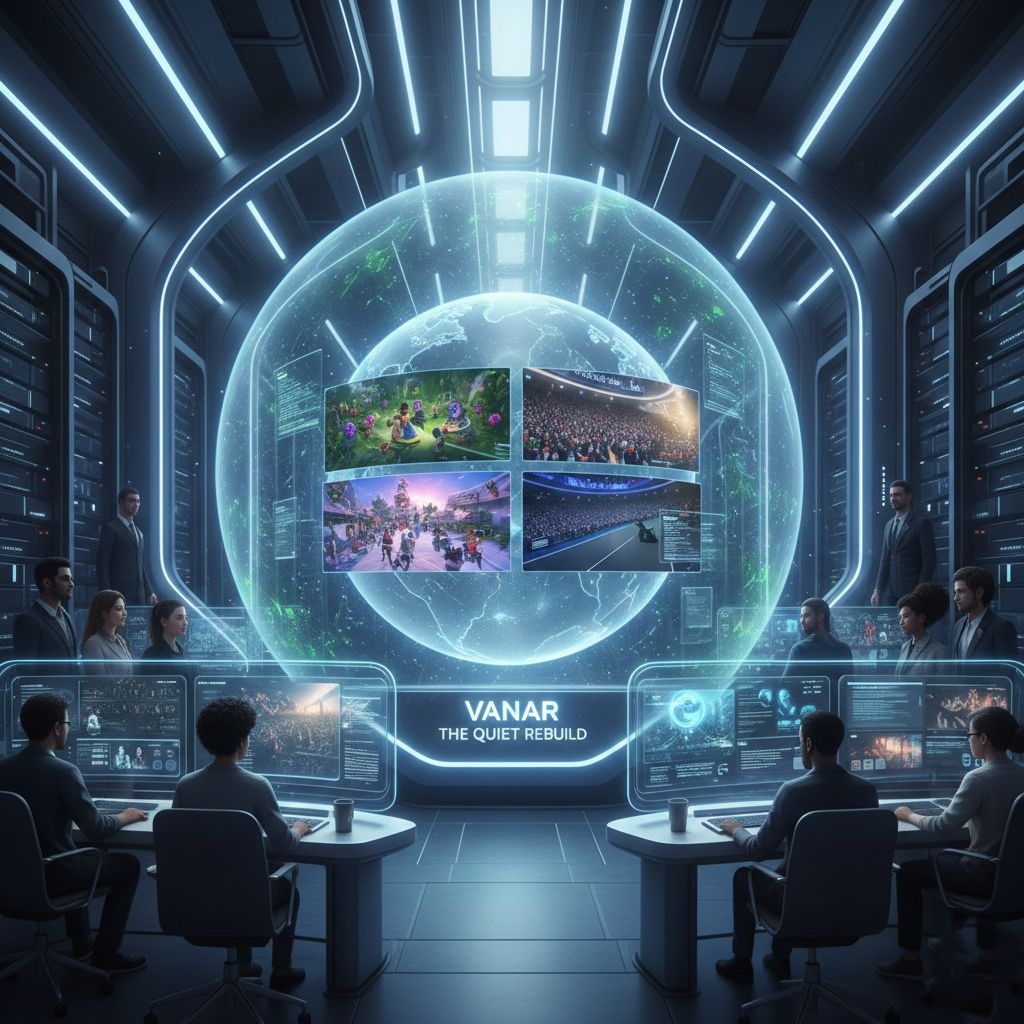
O design subjacente de Vanar prioriza a execução consistente e a baixa latência porque as aplicações para consumidores precisam de confiabilidade mais do que uma descentralização teórica máxima. Isso não significa que a descentralização seja ignorada, mas é tratada como um sistema que cresce com a participação, em vez de ser uma caixa de seleção estática. Validadores, desenvolvedores e usuários devem compartilhar a responsabilidade pela saúde da rede por meio da governança e do alinhamento econômico. As decisões não são enquadradas como batalhas ideológicas, mas como escolhas práticas sobre sustentabilidade e resiliência.
O token VANRY opera dentro desta estrutura como uma utilidade em vez de uma promessa. Ele é usado para taxas de transação, staking e governança, criando uma camada econômica compartilhada que vincula a segurança da rede ao uso real. O staking é posicionado como participação, não como renda passiva, e a governança deve refletir um compromisso de longo prazo em vez de um sentimento de curto prazo. Isso importa porque o design do token molda o comportamento. Quando os incentivos estão desalinhados, os ecossistemas se otimizam para a extração. O modelo de token de Vanar visa recompensar aqueles que constroem, protegem e usam a rede ao longo do tempo.
O que torna Vanar silenciosamente interessante é como ele aborda a adoção mainstream sem diluir os princípios centrais do Web3. Marcas e empresas de entretenimento não recebem uma narrativa superficial de descentralização. Elas têm acesso a uma infraestrutura que permite experimentar a propriedade digital, identidade on-chain e economias impulsionadas pela comunidade de maneiras que parecem aditivas em vez de disruptivas. Os usuários, por sua vez, ganham ativos e identidades que persistem além de qualquer plataforma única. É aqui que a promessa do Web3 se torna tangível, não por meio de ideologia abstrata, mas por meio de continuidade e controle.

Olhando para o futuro, Vanar parece menos uma aposta em ciclos de hype e mais um jogo de infraestrutura a longo prazo. Se o Web3 for apoiar economias digitais globais, jogos com propriedade real e mundos virtuais que as pessoas realmente habitam, as cadeias subjacentes precisarão desaparecer no fundo. Vanar está construindo em direção a esse resultado com um nível de contenção e foco que ainda é incomum no cripto. Não está tentando convencer o mundo de que a blockchain é importante. Está silenciosamente construindo um sistema onde essa questão não precisa mais ser feita.