
Dusk behaves differently in the market long before you understand what it is trying to build. The first clue is how its token trades during periods when narratives rotate fast elsewhere. Price often stalls instead of chasing momentum, liquidity thins without collapsing, and moves tend to happen late rather than early. That pattern isn’t accidental. It comes from a protocol designed around constraints most crypto traders prefer to ignore: regulation, privacy with accountability, and institutions that move slowly and unevenly.
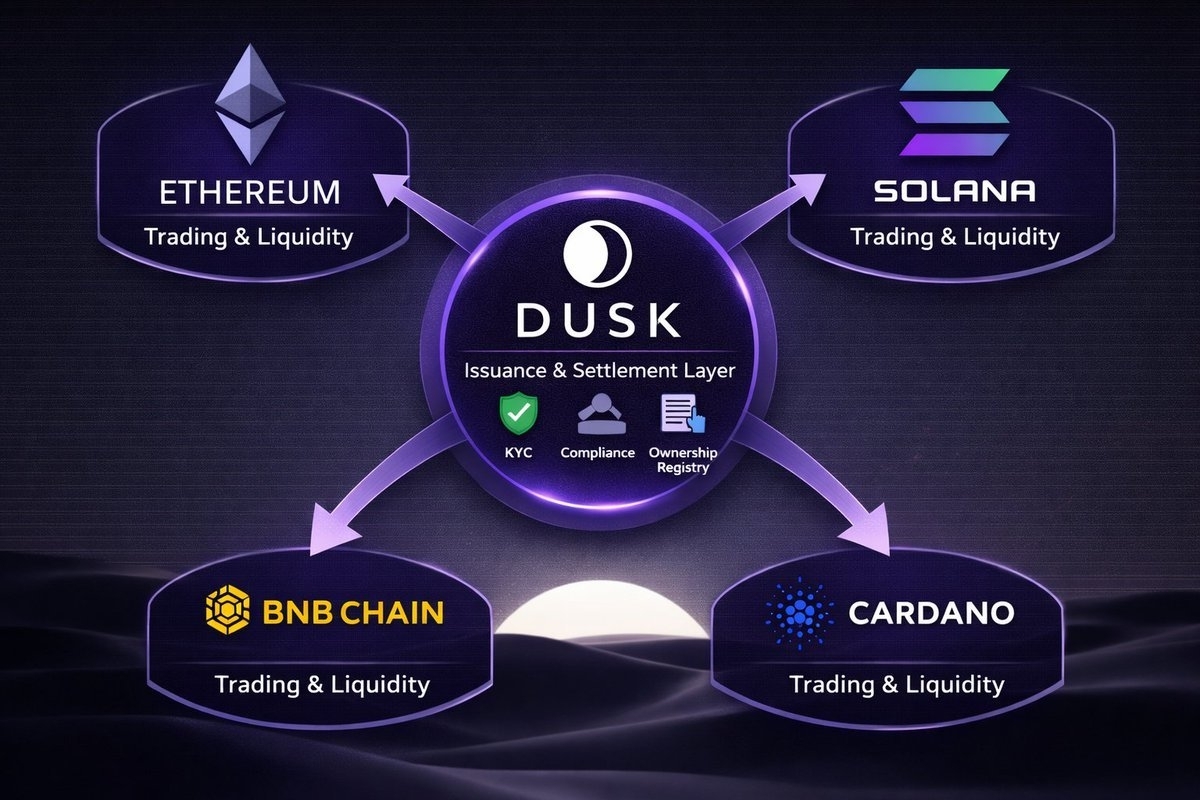
I have held DUSK through phases where it felt invisible and phases where it suddenly repriced without warning. What stood out early was how disconnected short-term sentiment was from actual activity. You could see weeks where volume faded, but sell pressure never really accelerated. That usually signals that holders are not reacting emotionally to price. In Dusk’s case, many participants are aligned with longer operational timelines, not quick flips. That changes how supply behaves in the open market.
Dusk’s modular architecture plays a quiet but important role here. Because privacy and auditability are baked into the protocol rather than layered on top, usage does not explode in retail-style bursts. Institutions test, pause, adjust, then test again. On-chain activity reflects that rhythm. Instead of constant transaction churn, you see sparse but deliberate usage. For traders used to reading activity spikes as bullish signals, this looks like stagnation. In reality, it’s infrastructure being evaluated, not consumed.
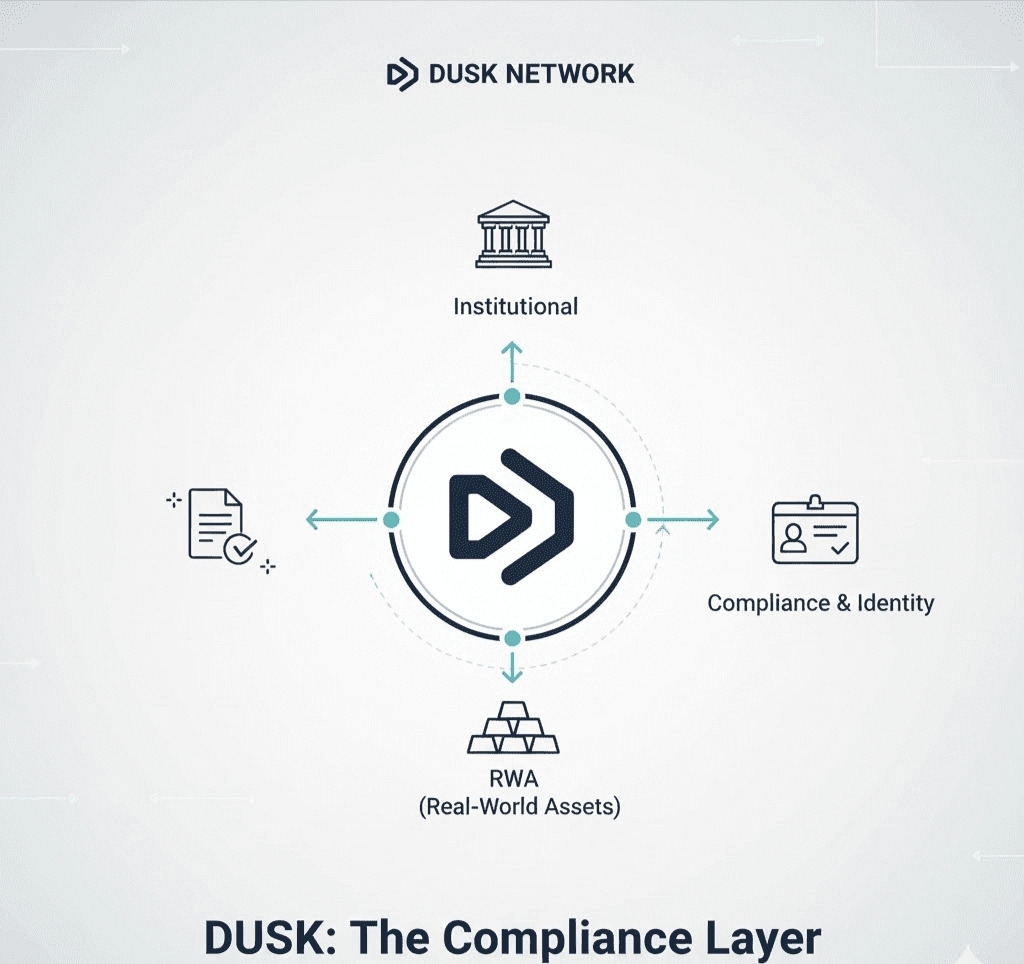
Token utility is another place where expectations often break. DUSK is necessary for participation, staking, and governance, but those functions do not force constant circulation. Staked tokens sit. Governance tokens wait. Fees are predictable. That creates a market where supply is technically liquid but practically inactive. When demand finally increases, price doesn’t climb smoothly. It jumps, overshoots, then cools off as liquidity catches up. That behavior confuses traders who expect clean trend structures.
Liquidity gaps have been a recurring feature. You notice them most when broader market volatility picks up. While other tokens see depth refill quickly, DUSK books can stay thin for longer than expected. That’s not neglect by market makers. It’s a rational response to low turnover. If volume doesn’t recycle, there’s less incentive to warehouse risk. As a result, price discovery happens in steps, not gradients.
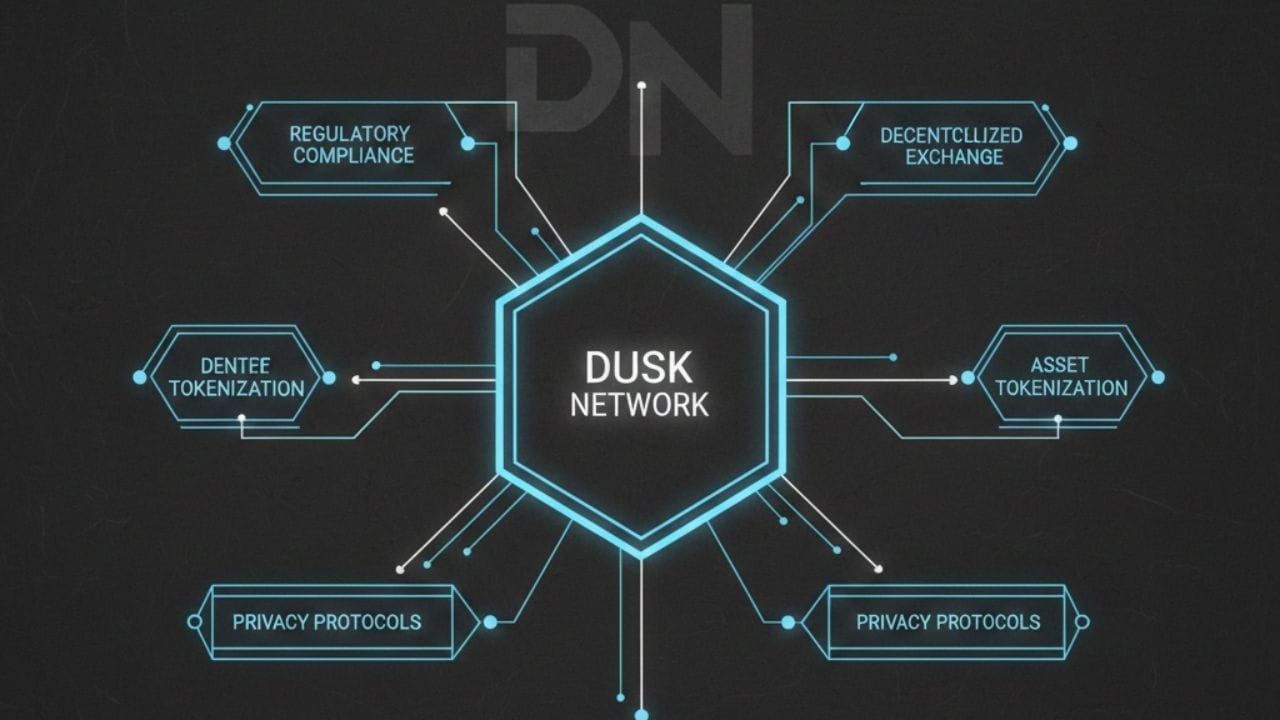
Incentives within the protocol compound slowly, not reflexively. Staking rewards encourage patience, but they don’t create excitement. There is no loop that forces users to constantly rebuy. Over time, this leaks speculative energy out of the token. Traders who arrive expecting narrative-driven upside often leave frustrated, reinforcing the idea that DUSK is “inactive.” Meanwhile, participants who understand the use case are largely indifferent to short-term price.
Adoption has been slower than optimistic timelines suggested, and that deserves honesty. Regulated finance is not permissionless experimentation. Every deployment involves compliance checks, legal review, and internal alignment. From a market perspective, this translates into long periods where nothing visible happens. The mistake traders make is assuming nothing is happening at all. Much of the work that matters for Dusk never touches the public market until late.
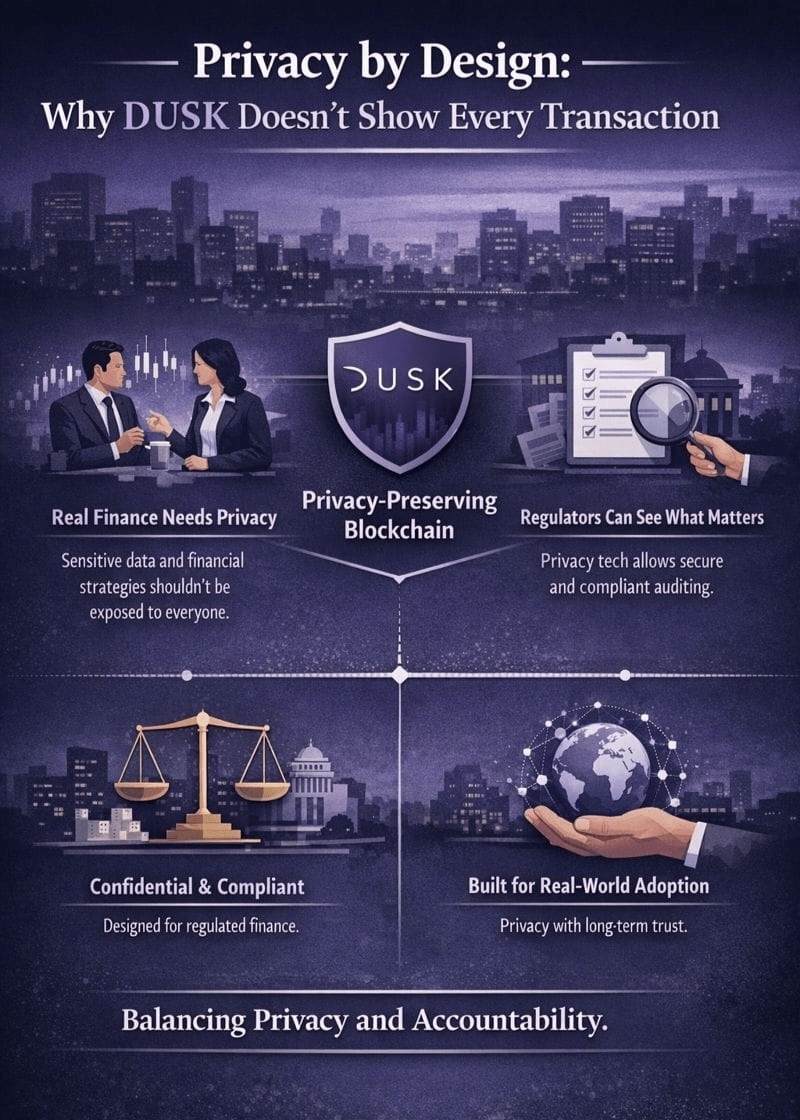
This gap between invisible progress and visible price feeds mispricing. DUSK often trades like optionality without a catalyst, because most traders are conditioned to price what they can immediately see. When usage does surface, it’s rarely announced in a way that excites retail. Instead, it shows up indirectly, through subtle changes in on-chain behavior or supply dynamics. By the time the market notices, the repricing has already started.
Trader psychology around Dusk reflects this misunderstanding. During quiet periods, it’s written off as forgotten. During sudden moves, it’s labeled manipulated or illiquid. Both reactions miss the point. The token is attached to a system designed for environments where speed is a liability, not an advantage. That design choice filters out a lot of speculative energy, leaving a market that feels dull until it suddenly doesn’t.
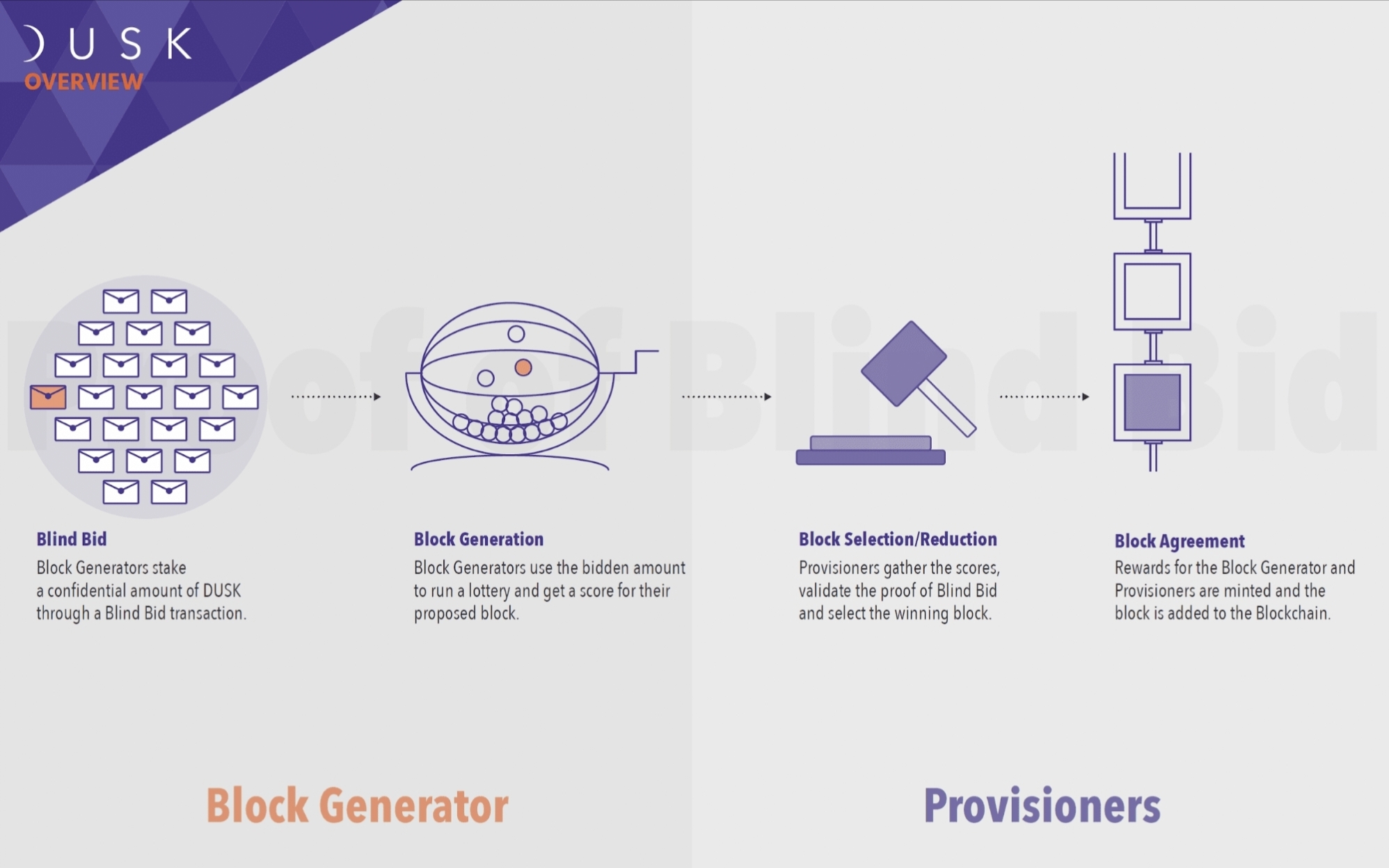
The uncomfortable truth is that Dusk is not optimized for traders. It is optimized for institutions that value privacy with accountability. That creates a token that resists constant narrative justification. Price does not trend because sentiment demands it. It moves when structural demand intersects with thin liquidity. If you trade it like a hype-driven asset, it will disappoint you. If you read it like infrastructure waiting for necessity, it starts to make sense.
The realization, after watching DUSK long enough, is that the market struggles to price things that refuse to perform on cue. Dusk asks to be read through patience, silence, and delayed reaction rather than excitement. That doesn’t make it superior or inferior. It makes it legible only to those willing to look past noise and accept that some value reveals itself unevenly, and often later than traders would like.
