
Vanar trades differently than most tokens from day one, and you notice it the moment you start watching its price. The token rarely moves in smooth trends. Liquidity thins unexpectedly, and sudden spikes can feel disconnected from broader market behavior. That is not a coincidence. VANRY’s behavior mirrors the underlying protocol design and the real economic activity it facilitates, not the narratives that surround it. Holding the token over time reveals patterns that most traders misread. You see price stall even when hype builds elsewhere, and you see shallow books absorb sudden demand without collapsing. Those patterns reflect deliberate structural choices rather than neglect.
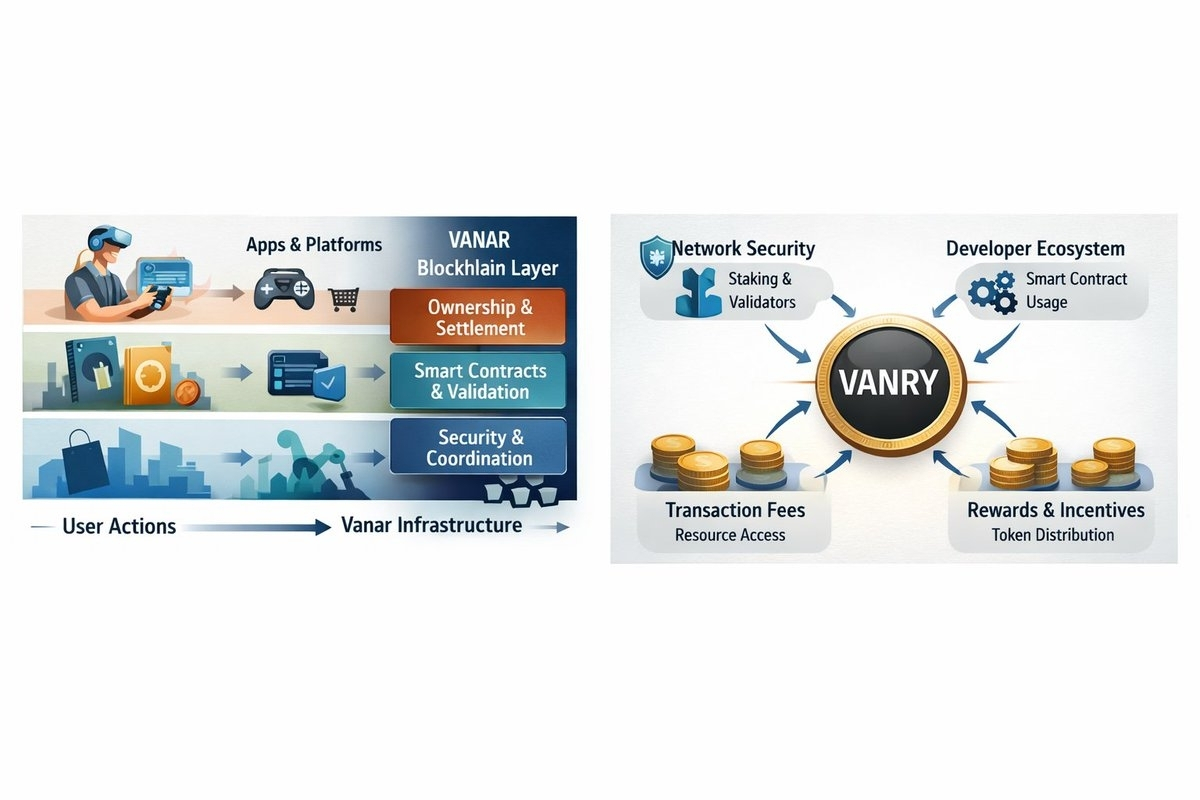
The architecture of Vanar emphasizes multi-vertical adoption. Gaming, metaverse, AI, and brand integrations are not just marketing lines—they shape how VANRY flows. In gaming networks like VGN or Virtua, token movement happens when users transact for utility, not speculation. That means periods of quiet are not inactivity but low churn. Volume does not equal adoption here; it often lags actual usage. Traders expecting retail-style turnover misinterpret the token as stagnant or illiquid.
Token utility leaks slowly into market behavior. VANRY is used for staking, governance, and in-app interactions, but these activities do not force rapid circulation. You can observe that during quiet stretches, staking absorbs supply while price drifts modestly. Liquidity gaps appear when supply is held by committed users rather than transient traders. When activity finally picks up, the market sometimes overreacts, creating jumps rather than smooth appreciation. That disconnect between structural demand and speculative attention explains why mispricing occurs regularly.
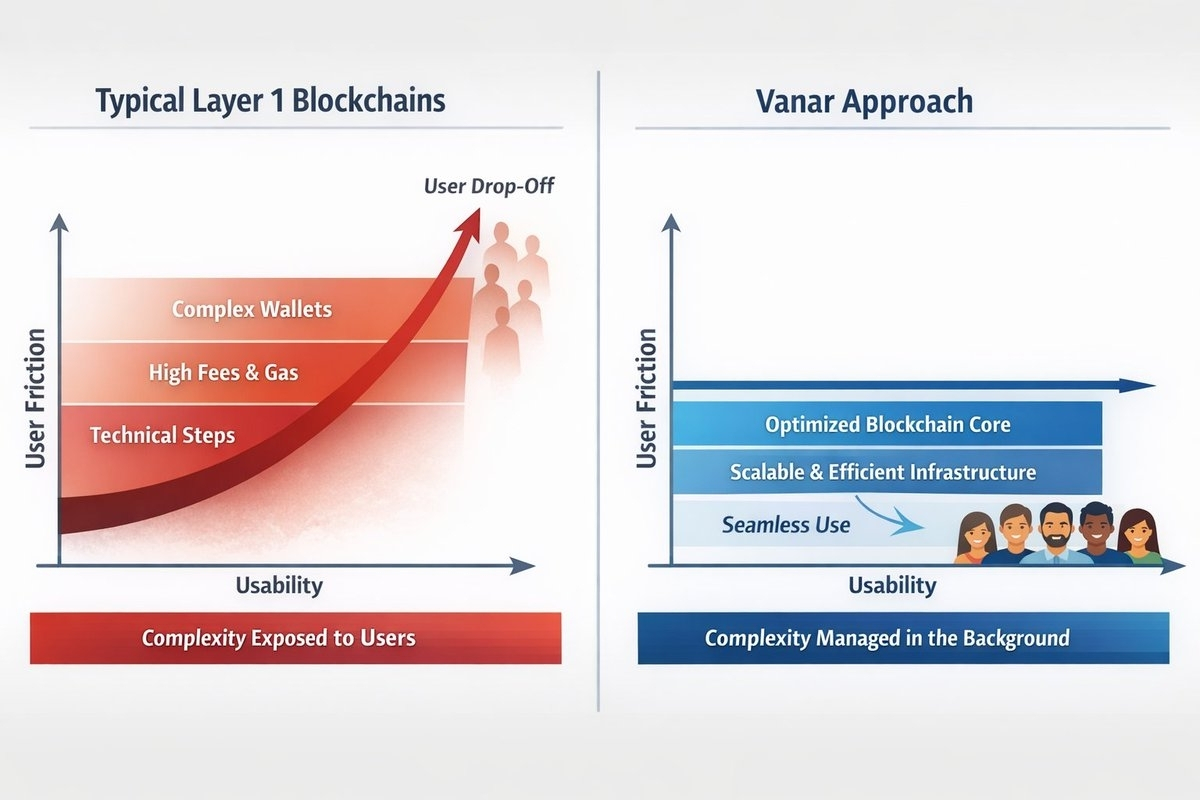
Understanding the token’s flow requires looking past short-term charts. VANRY’s on-chain signals are subtle: transaction bursts are sporadic, staking ratios shift gradually, and engagement from ecosystem applications drives delayed repricing. Traders conditioned to react to hype cycles often exit early, thinking the market has “abandoned” the token. In truth, real adoption moves on its own clock, and the market only intermittently aligns with it. That produces volatility that feels counterintuitive until you connect it to protocol mechanics.
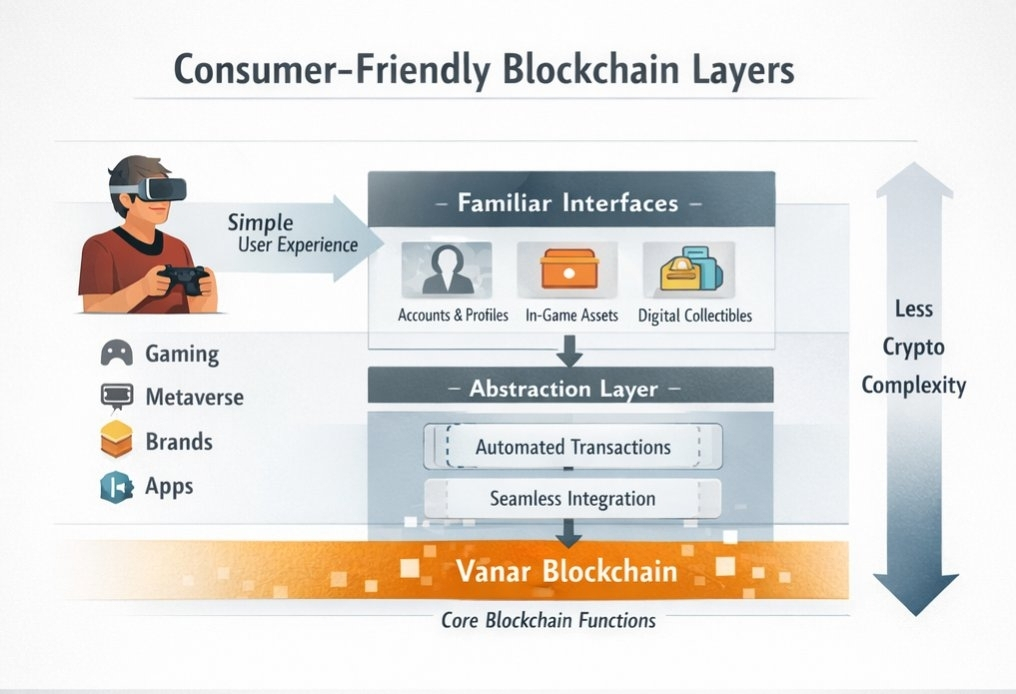
There are trade-offs inherent to this design. By focusing on cross-industry integration and long-term engagement, Vanar sacrifices the type of liquid, highly reactive markets that short-term traders prefer. Price formation is slower, and the token can appear misunderstood during lulls. Adoption is incremental because each vertical requires separate onboarding and alignment. That friction is structural, not accidental, and it quietly shapes how traders perceive VANRY.

The key insight from watching Vanar closely is that price behavior is a reflection of underlying infrastructure, not hype. VANRY mispricing is not a failure; it is a signal of how multi-vertical, utility-driven adoption interacts with a market built for narrative-driven attention. Recognizing the difference between structural quiet and neglect allows you to see VANRY not as a reactive asset but as a token whose market movements are dictated by actual usage and adoption rhythms. Once that distinction is clear, you start reading the market differently, understanding that real engagement unfolds unevenly, and that value can exist quietly until liquidity aligns with it.
