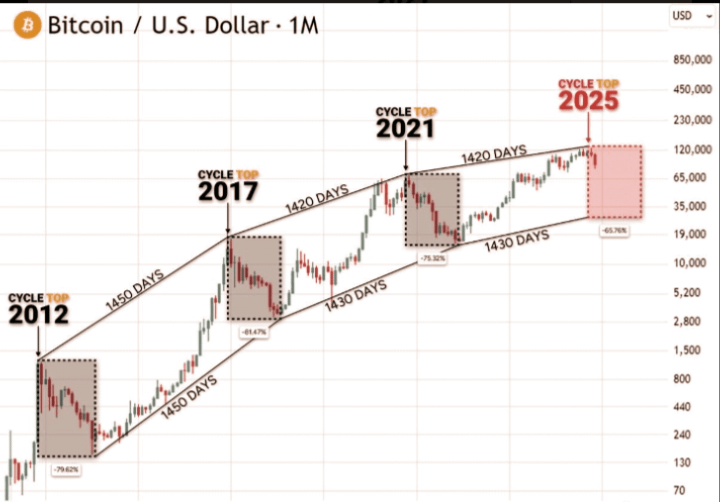
$BTC sliding into the $60K area has shaken confidence across the market. Sentiment flipped fast, headlines turned negative, and many participants now feel the cycle is already broken. Sharp moves down always feel like capitulation in real time — but history shows true cycle bottoms usually look very different from fast panic phases.
Large cycle lows rarely form during the first wave of fear. They tend to develop much later, after multiple relief rallies fail and optimism slowly drains out of the system. What defines those periods is not just lower price — it’s lower interest. Volume dries up, volatility compresses, and participation fades. The market becomes quiet, not chaotic.
Right now, the structure looks more like compression than final exhaustion. Fast drops create emotional reactions, but long bear-market bases are typically slow and frustrating. They wear people out instead of scaring them out. The shift is from panic → boredom → indifference. That transition takes time.
Cycle models that project deeper downside into later years are not “broken” just because price reaches an intermediate pain zone. In many past cycles, mid-phase drawdowns were severe enough to convince traders the worst had already happened — yet the final base still came much later under much duller conditions.
The important takeaway is practical, not predictive: long-term opportunity is rarely about catching the exact bottom tick. It’s about preparation — capital, patience, and emotional discipline — so that when the environment becomes unattractive and conviction disappears, you’re still able to act rationally.
Major bottoms don’t usually form when fear is loud and trending. They tend to form when attention is gone and nobody cares anymore. Accumulation phases often feel unrewarding and pointless while they are happening — and only look obvious in hindsight.
If this cycle follows historical behavior, the most meaningful opportunities will likely appear quietly, not dramatically.$BTC