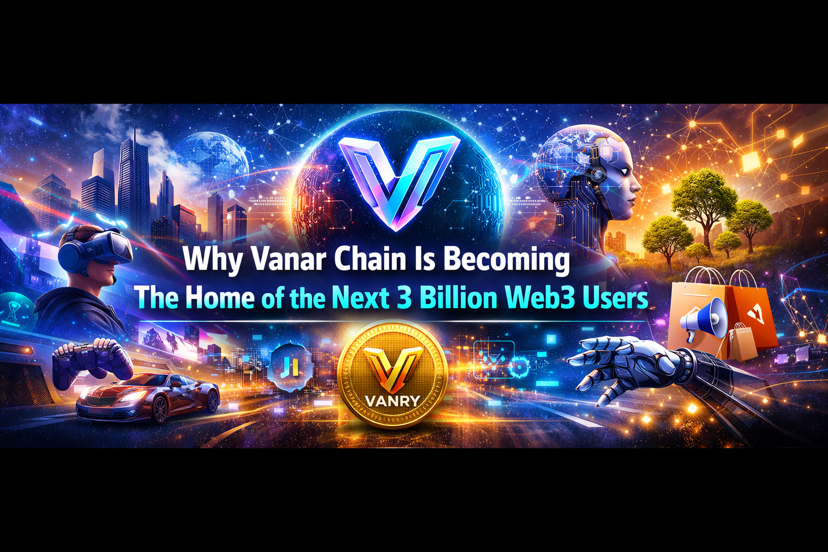
Very little that genuinely translates to real-life usage. But Vanar Chain feels different because its entire architecture is built around something simple, human, and extremely rare in this space practicality. It is trying to make blockchain usable for people who don’t care about nodes, gas fees, cryptography, or chain wars. They just want things to work. They want fun, convenience, and familiar experiences. And that is exactly where Vanar starts shining.
What makes Vanar compelling is not just being an L1. It is the intention behind it. The team has roots in gaming, entertainment, digital worlds, and consumer-facing brands — industries where user experience decides everything. That background shows. Instead of building another abstract technical playground, they built an ecosystem that fits naturally into how people already interact with digital products. Gaming loops, loyalty programs, AI-driven experiences, collectibles, and virtual worlds — these are things billions of people understand without needing a tutorial. Vanar uses those familiar touchpoints as the true gateway into Web3.
The ecosystem approach is what gives Vanar its strength. It is not “one product hoping for adoption” but a connected suite that covers multiple mainstream verticals. Virtua Metaverse, one of the flagship products, is already shaping into a vibrant digital environment where users feel present, creative, and socially engaged — the kind of space that doesn’t need blockchain jargon to be understood. VGN Games Network adds a competitive, entertainment-first gaming layer that feels much closer to Web2 game studios than typical blockchain games. And by weaving AI, brand integrations, and eco-driven solutions into this ecosystem, Vanar creates a sense of depth that most L1s simply don’t have.
What stands out most is the clarity of the mission. Onboarding 3 billion users is not a slogan here — it’s a structured path. Each product connects to a different slice of mainstream culture: gamers, digital artists, entertainment brands, AI builders, eco projects. Each segment represents millions of potential users who may never touch Web3 unless the experience feels natural. Vanar doesn’t force them to learn blockchain. It quietly integrates blockchain under the hood while keeping the front-end experience smooth, familiar, and responsive. Most chains try to drag people into Web3. Vanar goes the opposite direction — it brings Web3 to where people already are.
The underlying technology supports this real-world first strategy. The chain is constructed to deliver speed, low friction, and reliability, because high-volume consumer environments leave no room for lag or confusion. When a game loads, it must load instantly. When a metaverse interaction happens, it must feel alive. When a brand engages millions of customers, the infrastructure must hold. Vanar’s architecture prioritizes these demands with a design that feels engineered for crowds, not crypto-native elites.
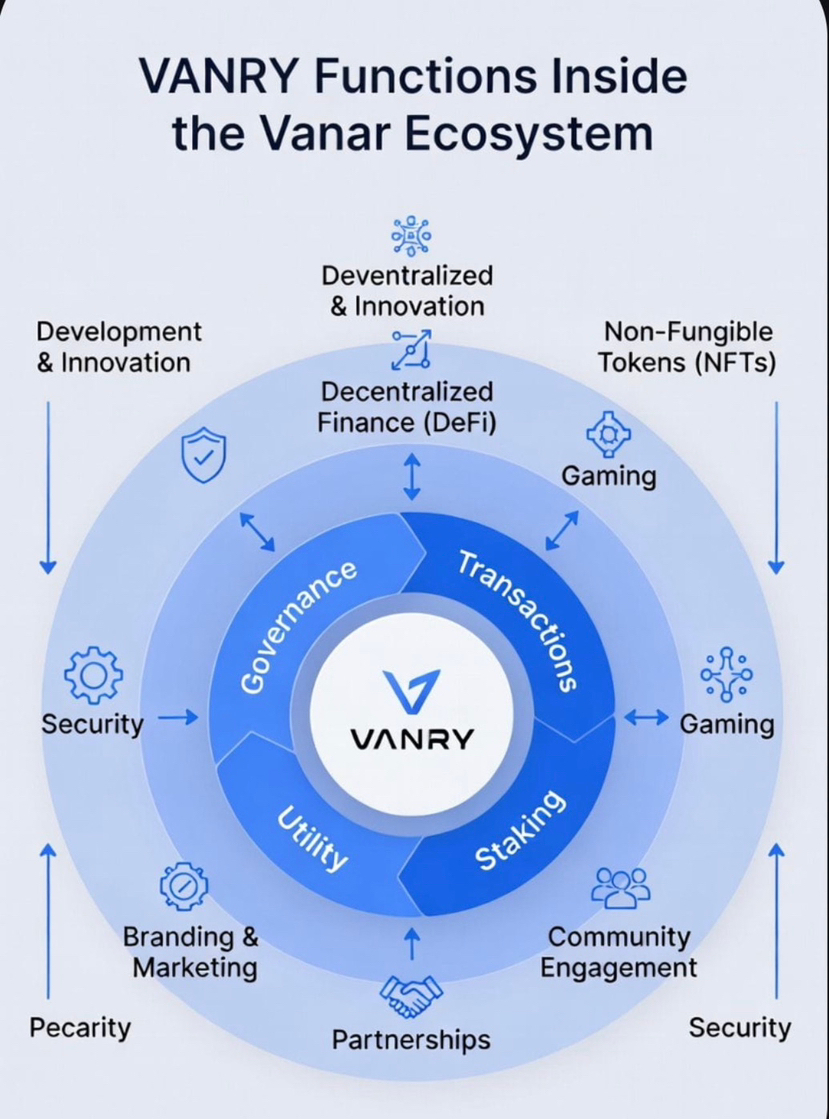
Then there’s the token layer. VANRY isn’t positioned as a speculative object but as the heartbeat of a functioning ecosystem. It powers transactions, fuels network activity, and aligns incentives across gaming, AI, metaverse utilities, brand interactions, and digital economies. The token becomes a unifying thread connecting all user-facing experiences. And when utility becomes this diverse, it strengthens the long-term value structure of the ecosystem naturally.
What makes this whole vision resonate is the timing. The next phase of Web3 growth won’t come from financial speculation — it will come from culture. From gaming, social interaction, entertainment, digital identity, and new forms of creative economies. Vanar fits directly into that cultural shift. It is not chasing narratives. It is building infrastructure for the inevitable future where digital worlds, AI agents, brand ecosystems, and virtual experiences merge seamlessly with everyday life.
If Vanar succeeds in delivering even half of what it’s building, it won’t just attract the next generation of Web3 users — it will define how they enter this space. Not through complicated learning curves but through experiences that feel enjoyable, intuitive, and familiar. That is how you reach a billion people. Not by making blockchain louder, but by making it invisible.
Vanar feels like a project built with intention rather than hype. It is grounded in real utility, real products, real experiences, and a real understanding of what mainstream adoption looks like. And as the digital world continues to expand, Vanar is positioning itself not as another L1 competing for attention, but as a home — a place where the next 3 billion users can experience Web3 without even realizing they’ve entered something new.
If this momentum continues, Vanar may not just be part of the future of Web3. It may become one of the most important entry points into it.