
Lately I’ve been thinking about a weird pattern in crypto.
Every cycle, we say “mass adoption is coming.”
And every cycle, the people actually using crypto are still mostly us, traders, airdrop hunters, builders, and the occasional gamer who already understands wallets.
I was scrolling through projects recently and realized something. Most blockchains are still designed around crypto people, not normal people. We’ve just gotten used to it. Seed phrases, bridging networks, signing transactions three times just to move assets, we don’t question it anymore because we learned the system.
But if I handed a wallet to my cousin who only plays mobile games and watches Netflix, he wouldn’t last ten minutes.
That’s honestly why Vanar caught my attention. Not because it promised a crazy TPS number or some “Ethereum killer” narrative, we’ve heard those a thousand times. What stood out was the direction they’re aiming at.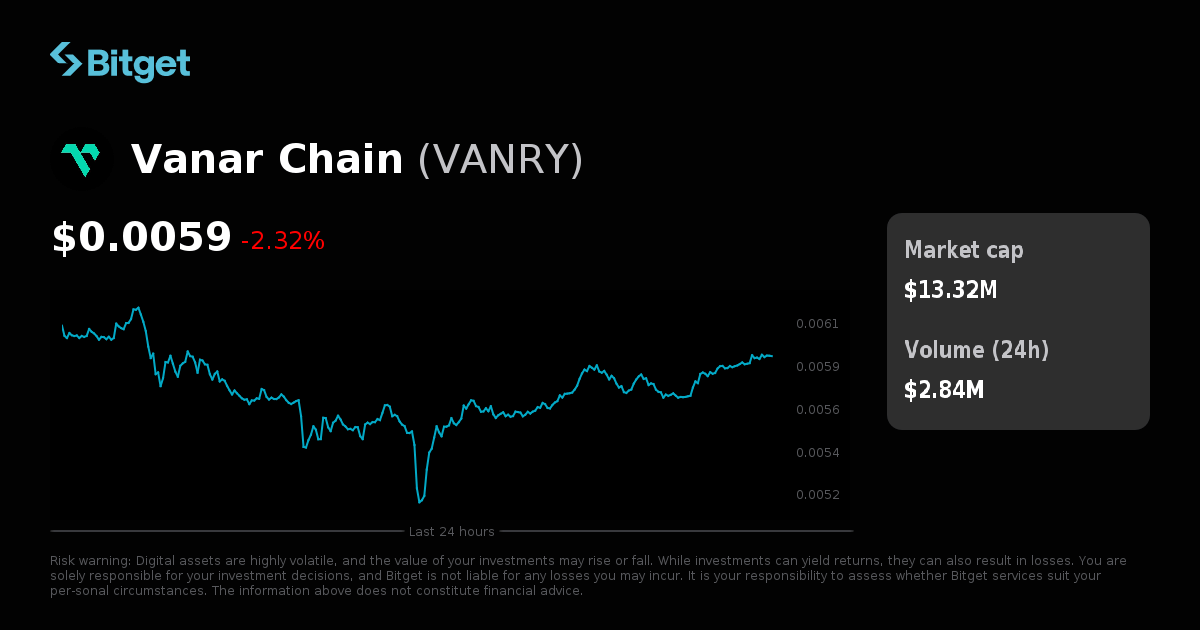
From what I’ve seen, Vanar isn’t starting with DeFi traders.
It’s starting with people who don’t even know they’re using a blockchain.
The gap crypto still hasn’t crossed
I’ve noticed crypto talks a lot about decentralization and ownership, but the user experience is still stuck in a developer mindset.
We built amazing infrastructure.
We didn’t build something my parents could use.
Gaming showed this very clearly.
Play to earn exploded in 2021, but most of those games weren’t actually games, they were financial systems with characters. Players weren’t there for fun, they were there for yield. The moment the rewards dropped, the players disappeared. It taught me something important, adoption can’t be forced through token incentives.
Real adoption happens when people come for the product and only later realize there’s a blockchain behind it.
This is where things get interesting with Vanar.
A different entry point, entertainment first
The Vanar team didn’t originally come from pure crypto circles. They worked around games, brands, and digital entertainment. That changes the mindset completely.
Instead of asking “how do we make people use our chain?”
They seem to be asking “what are people already doing, and how can blockchain quietly improve it?”
Their Virtua Metaverse is a good example. I’ve seen many metaverse attempts, most felt like empty virtual malls. But Virtua is trying something slightly more grounded, digital collectibles, branded spaces, and entertainment experiences tied to recognizable IPs.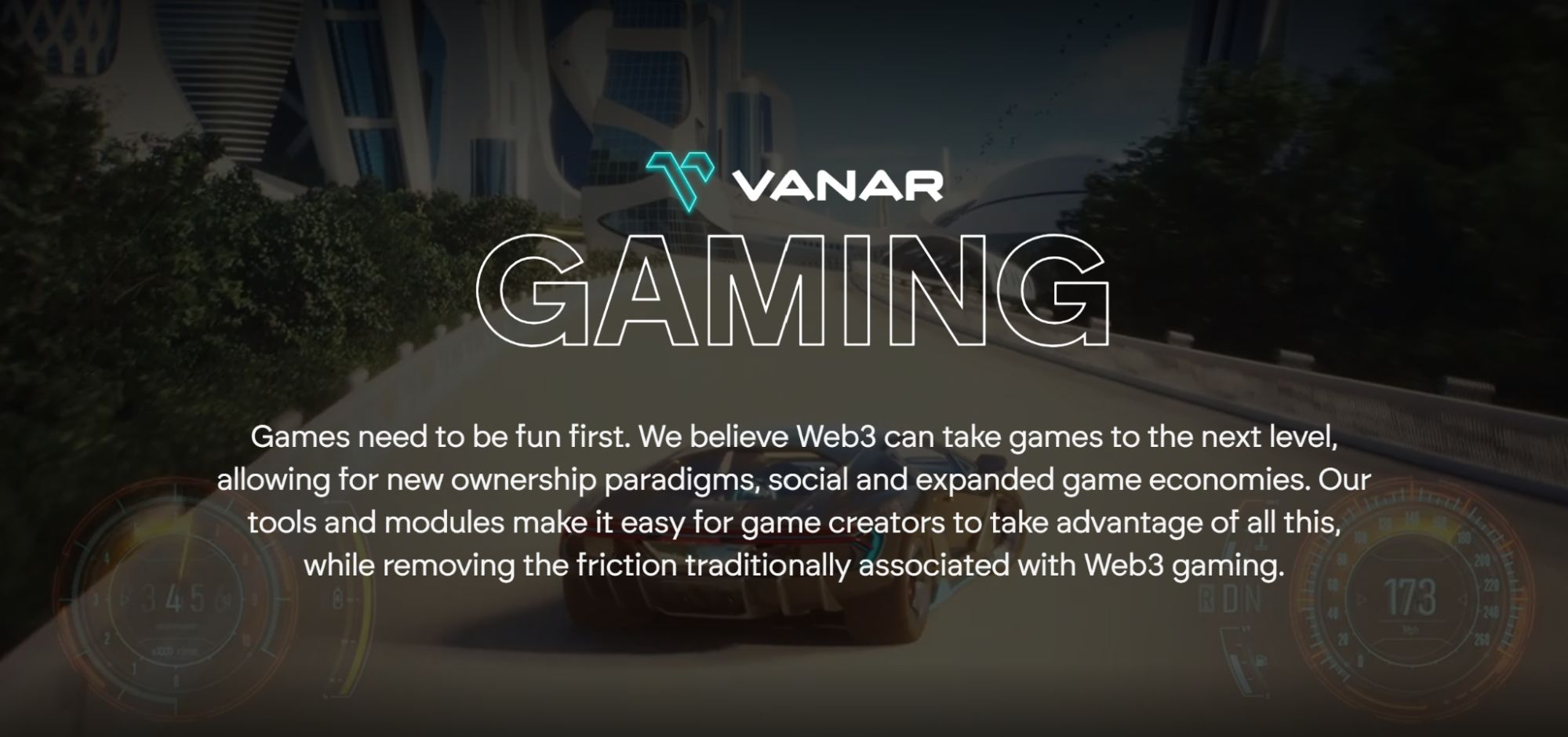
That matters more than we admit.
Normal users don’t wake up wanting decentralization.
They want experiences, games, shows, communities, identity.
If blockchain sits underneath and enables ownership without friction, then adoption becomes natural instead of forced.
Why gaming matters more than DeFi for adoption
Crypto Twitter often focuses on DeFi TVL and liquidity metrics. But when I step back, I don’t think the next wave of users will enter through yield farming.
They’ll come through gaming.
I’ve seen this pattern already with mobile games. People buy skins, characters, battle passes, and they don’t care that they don’t truly own them. They just accept it because that’s how games work.
Now imagine a system where your items persist, your progress carries across platforms, and ownership actually belongs to you.
That’s essentially the direction behind Vanar’s VGN games network.
What stands out to me is that the blockchain isn’t presented as the product. The game is the product. The chain is just the invisible infrastructure.
And honestly, that’s probably how it should’ve been from the start.
The “next 3 billion users” idea
A lot of projects say they want the next billion users. I always found that phrase a bit abstract. It sounds impressive, but rarely comes with a clear path.
When Vanar talks about bringing the next 3 billion consumers to Web3, I don’t think they’re imagining people opening a wallet and learning gas fees.
I think they’re imagining people downloading an app, playing a game, collecting digital items, maybe customizing an avatar, and only later realizing those items are actually stored on a blockchain.
That shift is subtle but important.
Crypto adoption won’t happen when people choose blockchain.
It will happen when they don’t have to think about it.
Where AI and brands fit in
Another thing I noticed is Vanar isn’t limiting itself to just gaming. They’re pushing into AI tools, brand integrations, and digital commerce.
At first I wondered why a blockchain would care about brands.
But then I remembered how NFTs actually gained attention, not through whitepapers, but through culture. Art, collectibles, collaborations, those pulled people in more than any technical explanation.
If a major brand launches digital collectibles or interactive experiences and users interact with them seamlessly, they’re essentially interacting with blockchain infrastructure without needing a crypto education.
From a practical perspective, that’s far more powerful than convincing someone to bridge assets between networks.
The role of the VANRY token
I always look at tokens cautiously. Too many projects treat tokens as the main product.
From what I understand, VANRY is meant to power the ecosystem, transactions, access, and interactions across the network’s services.
What I find more important is utility through activity. If people are playing games, collecting items, and interacting with apps, token usage becomes organic instead of speculative.
In past cycles, tokens often existed first and applications came later.
This approach seems reversed, build the experiences first, and the token becomes a tool rather than the focus.
That feels healthier long term, at least in my opinion.
A lesson crypto is slowly learning
After watching multiple cycles, I’ve started believing something.
Crypto doesn’t fail because of technology.
It fails because of expectations.
We built systems assuming users would adapt to blockchain.
Reality is the opposite, blockchain must adapt to users.
When I see projects like Vanar, what I notice isn’t just a new chain. I see an attempt to change how blockchain integrates with everyday digital life.
Less emphasis on wallets.
More emphasis on experiences.
Where this could actually matter
If a blockchain works well for traders, it stays inside crypto.
If a blockchain works well for gamers, viewers, creators, and brands, it escapes crypto.
That’s a big difference.
I think the next adoption wave won’t look like 2021. It won’t be NFT mania or yield farming. It will probably look quieter. People will simply start owning digital things without calling them NFTs, and interacting with networks without calling them blockchains.
And only later will they realize they’ve been using Web3 all along.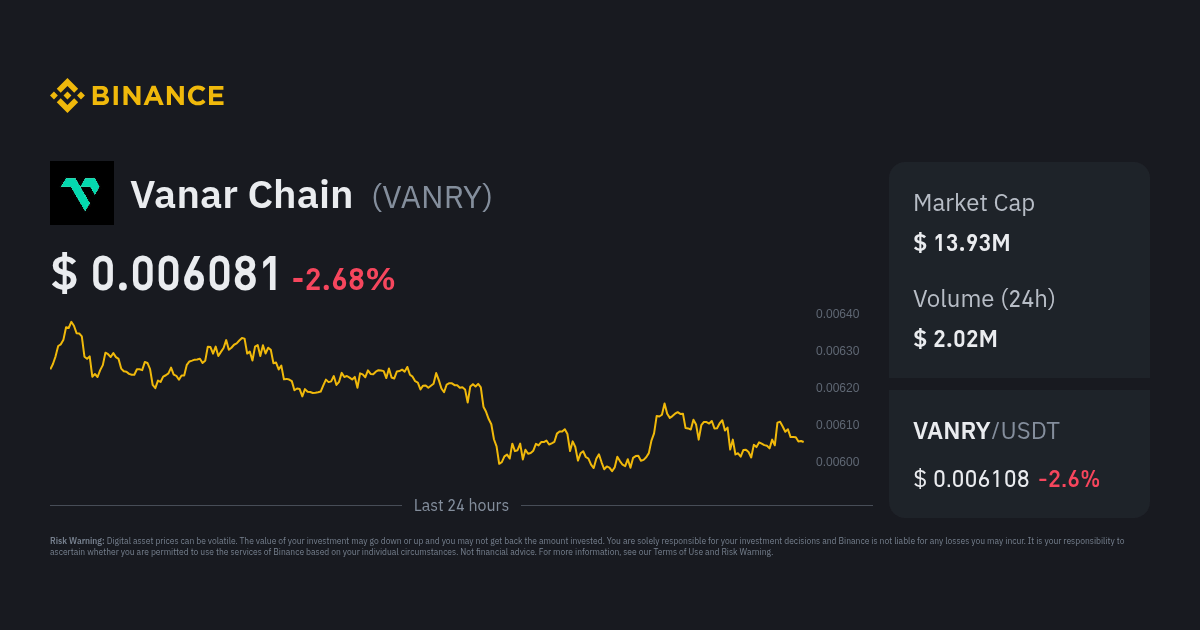
Final thoughts
I’m not saying any single project will solve adoption overnight. Crypto rarely moves in straight lines.
But what I do find encouraging is when a project stops trying to impress developers and starts trying to serve users.
Vanar feels like part of that shift, away from infrastructure obsession and toward practical experiences. Whether it succeeds or not, the direction itself makes sense to me.
After years in this space, I’ve become less interested in chains competing with each other, and more interested in which ones people outside crypto might accidentally end up using.
Because honestly, the day someone uses a blockchain without realizing it, that’s probably the day adoption actually begins.