
For a long time, I believed that stablecoins were crypto’s most practical and powerful use case—especially for cross-border remittances, online payments, and international settlements. On paper, everything made sense: dollar-pegged assets, blockchain rails, global reach.
But in reality, using stablecoins felt anything but stable.
I spent years transferring USDT and USDC across traditional EVM chains like Ethereum and BNB Chain, assuming that a mature ecosystem would naturally deliver a smooth experience. Instead, the more I used them, the more frustrated I became. High fees, failed or blocked transactions, slow confirmations, and unnecessarily complex workflows repeatedly stood in the way of adoption.
When “Stable” Coins Create Unstable Experiences
Anyone who has actually used stablecoins on legacy EVM chains understands these pain points.
The most infuriating issue is gas fees.
To send stablecoins, users must first buy native tokens like ETH or BNB just to pay transaction fees. This forces users to manage two currencies at once, locking up capital and exposing them to price volatility. You might save on fees one moment and lose money the next simply because the gas token’s price moves.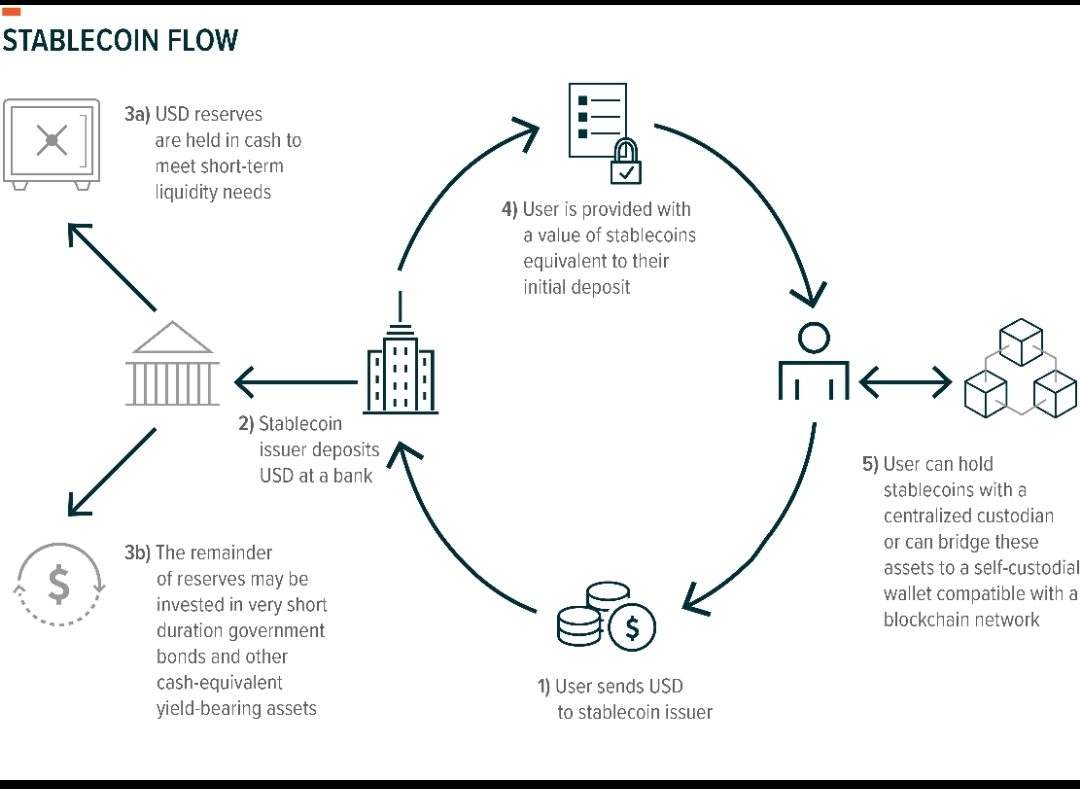
During periods of congestion, fees become absurd. I once tried to send $100 in USDT only to see a $15 fee. In another case, a transaction failed entirely—no refund, just lost money. For small businesses and everyday users, this is completely unsustainable.
Speed is another major issue.
On Ethereum, stablecoin transfers can take minutes—or hours—during peak times. I’ve personally experienced delays of over three hours, nearly jeopardizing an overseas business contract. Even BNB Chain, while faster, can stall under congestion. With NFTs, DeFi, games, and countless other applications competing for block space, reliability becomes questionable.
And then there’s the biggest emotional barrier of all: seed phrases.
Twelve or twenty-four words written on paper that, if lost or stolen, can wipe out your entire financial life. This security model may make sense to cryptographers, but for everyday users, it feels like a constant threat.
This combination of friction, fear, and inefficiency is why stablecoins—despite their promise—have struggled to reach true mainstream adoption.
Discovering Plasma: When Stablecoins Finally Make Sense
I had nearly given up on on-chain stablecoin transfers when a friend suggested I try Plasma. I approached it with low expectations—but the experience completely changed my perspective.
Plasma’s defining trait is simple: it treats stablecoins as money, not as a crypto experiment.
Gasless Transfers That Actually Work
Plasma eliminates the need for users to hold a native gas token. Through a paymaster and relayer system, USDT transfers can be completed with zero transaction fees. Other stablecoins cost fractions of a cent—effectively free.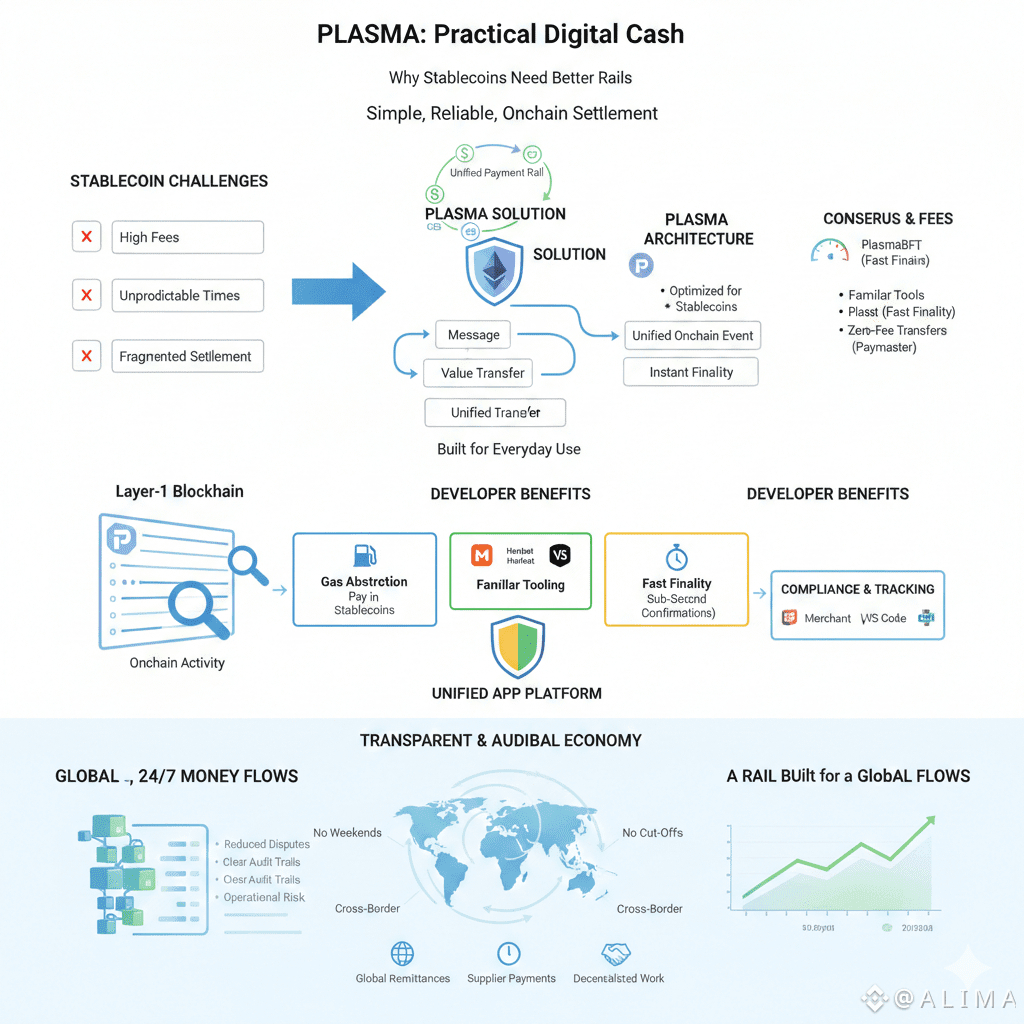
This isn’t just about saving money. It solves a much deeper problem: comprehension.
Gas isn’t merely a cost; it’s a second currency that users must learn, manage, and remember. Plasma hides this complexity entirely. Users hold dollars and spend dollars—nothing else.
Importantly, this isn’t an unsustainable “free for all.” Plasma applies eligibility checks, rate limits, and abuse prevention. It’s free where it matters, and disciplined where it counts.
Speed Built for Real Commerce
Plasma avoids flashy use cases and focuses exclusively on stablecoin transfers.
No NFTs, no games, no resource competition.
The result is near-instant finality—often under one second—and throughput of up to 41,000 transactions per second. The network has operated continuously for weeks without failure.
Whether it’s an urgent supplier payment or a large batch of cross-border remittances, transfers complete reliably and immediately.
Security That Reduces Stress, Not Just Risk
Every important transaction on Plasma is synchronized with the Bitcoin network, adding an additional layer of security comparable to a global anchor.
I once transferred 500,000 USDT through Plasma without anxiety. That sense of calm matters. Security isn’t only about cryptography—it’s about confidence.
The Real Breakthrough: Ending the Seed Phrase Tax
Plasma’s most important upgrade isn’t purely on-chain.
It’s the removal of the seed phrase burden.
Through account abstraction and smart accounts, wallets begin to behave like modern applications:
Sponsored fees
Intelligent transaction signing
Recovery mechanisms
Safer default workflows
With Plasma One, this philosophy extends further: hardware-based keys, instant card freezing, spending limits, and real-time alerts. The result feels like a modern fintech app—but one that still settles on open, programmable rails.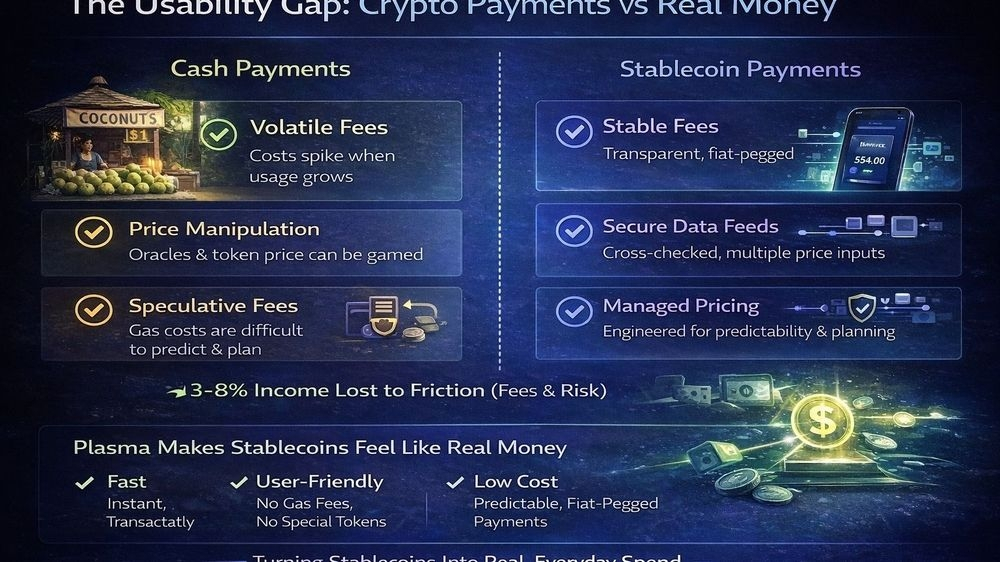
Self-custody no longer feels fragile or terrifying. It feels normal.
From “Freedom” to Safety Control
Crypto often celebrates freedom.
Most people simply want control and safety.
In traditional finance, losing a card means freezing it. Fraud triggers alerts. Risk is managed with limits. These aren’t optional features—they’re the reason people trust money systems.
Plasma understands this. It combines open settlement with real-world security controls, without turning stablecoins into a closed or custodial system.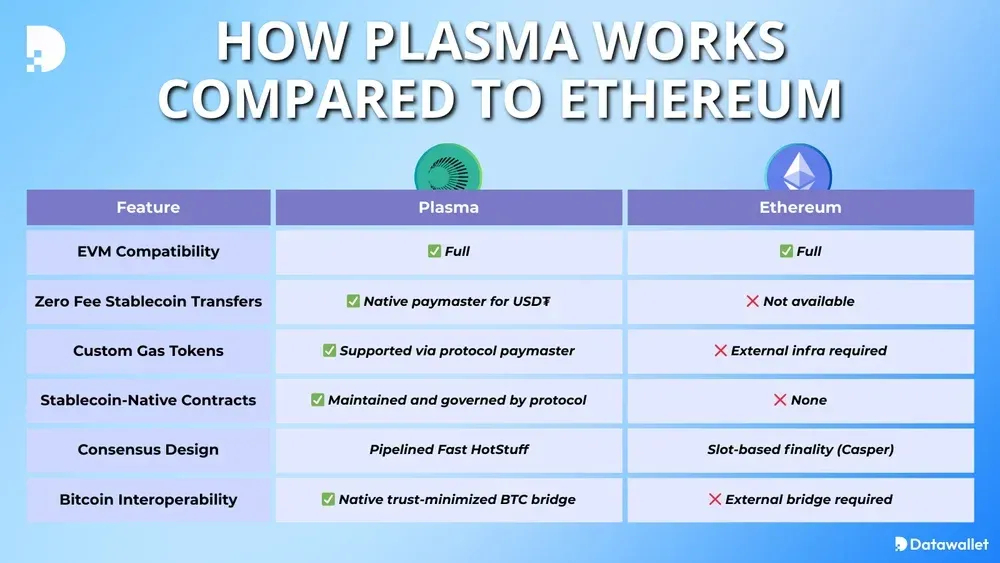
A Mature Approach to Distribution
Rather than chasing hype or forcing brand recognition, Plasma treats its payment stack as licensable infrastructure. Distribution happens through partners who already understand compliance, regulation, and user needs.
This is a grown-up strategy. If stablecoins are going to become everyday money, they must travel through the same channels as everyday money.
What Success Actually Looks Like
Plasma won’t succeed because of a viral chart or slogan.
Success looks like this:
People using stablecoins without ever thinking about gas
Small businesses paying globally without crypto support teams
Users controlling their money without seed-phrase anxiety
Wallets that feel like finance apps but settle on open rails
If Plasma delivers on this vision, it won’t just be another blockchain.
It will be part of a quiet, structural upgrade—one that turns stablecoins from a crypto curiosity into ordinary, usable money.
And perhaps the clearest sign of success will be this:
People won’t even realize they’re using crypto at all.

