
There are moments in crypto when the market noise becomes so loud that older ideas get buried, even if they were never truly broken. Plasma is one of those.
Most people hear the word today and shrug—Isn’t that from the early Ethereum days?
But when you look deeper, Plasma wasn’t a failure. It was a blueprint that arrived too early for its own good. And now, with the industry shifting back to performance, data reliability, and cost control, its ideas feel more relevant than ever.
The Problem Plasma Tried To Solve (And Still Does)
Back when chains were congesting daily, Plasma introduced a simple promise:
scale by moving as much work offchain as possible while keeping security onchain.
It wasn’t flashy, but it was practical—something we rarely see in hype cycles.
Plasma focused on letting users operate cheaply and quickly, while only posting essential proofs back to the base chain.
That structure sounds familiar today because every new L2 is attempting something similar, just with new branding.
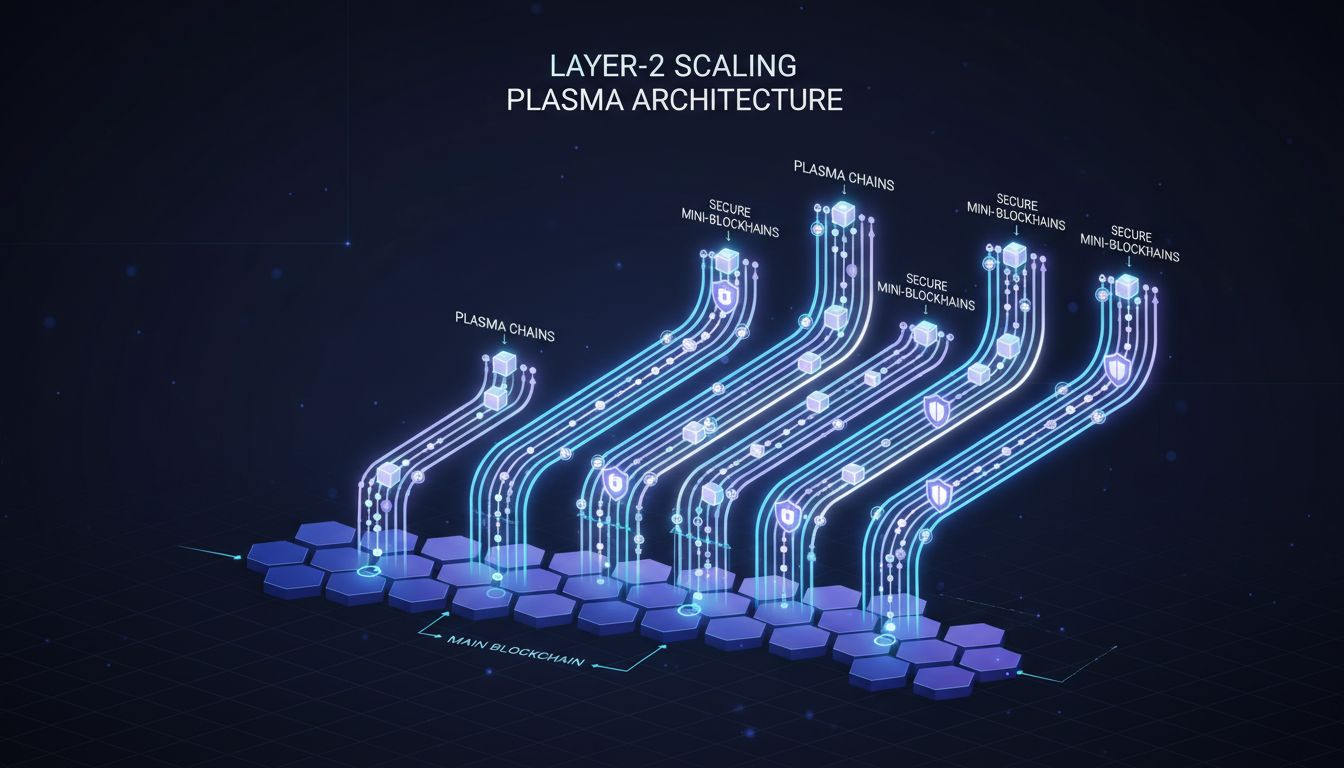
Suggested theme: Early blockchain congestion vs. streamlined Plasma sidechain flow.
Why Plasma Is Being Discussed Again
During bull markets, everyone loves complexity—AI chains, zk everything, fancy rollups.
But in stressed markets, developers look for what actually works.
That’s where Plasma sneaks back in.
Its model provides:
predictable fees
low cost mass transactions
a strong security anchor
independence from L1 congestion
clean separation of processing and settlement
These values never went away; the community just got distracted.
Today, as more apps demand higher throughput—gaming, payments, micro updates—Plasma’s approach feels refreshingly sober.
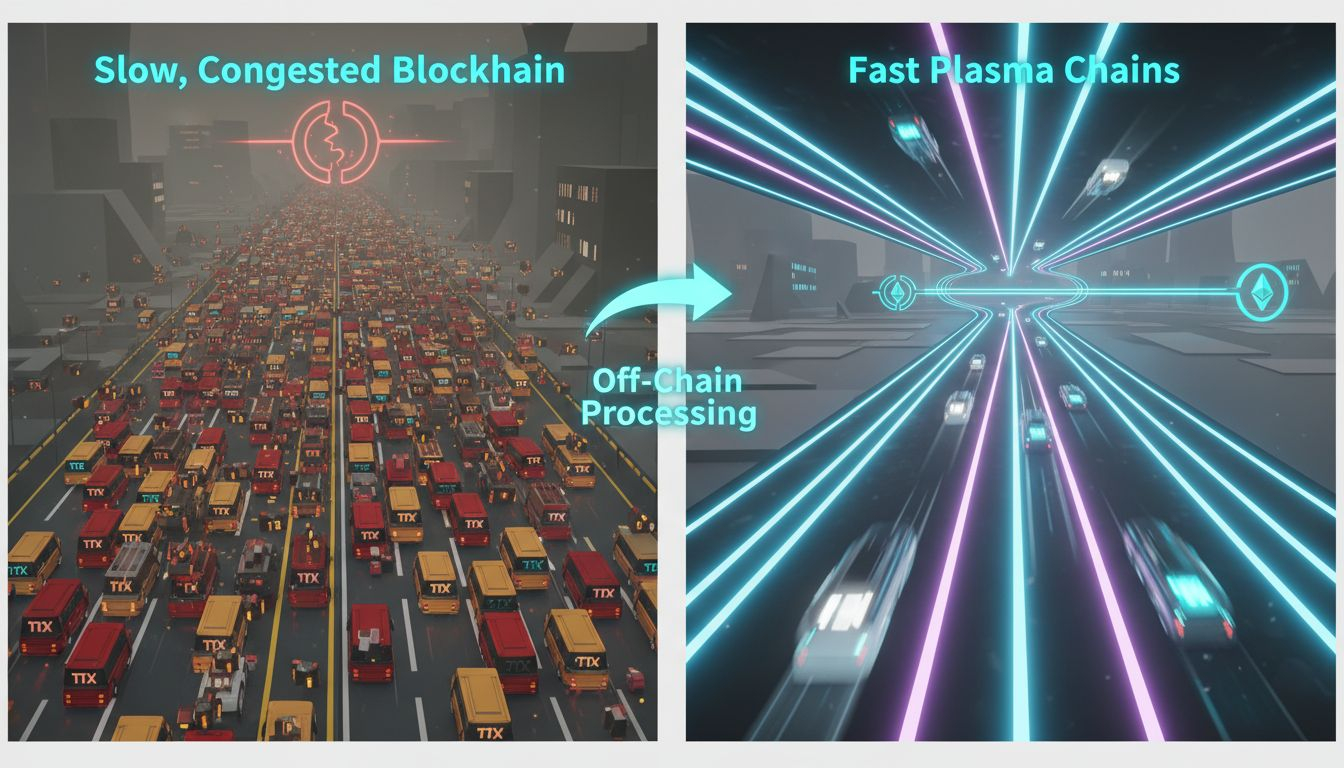
Suggested theme: A stable off chain system linked securely to a main chain.
Plasma’s Strength: Stability Without Drama
Most scaling solutions today rely on constant upgrades, new proofs, or token incentives to stay running.
Plasma’s model is almost the opposite—set it up, anchor it securely, and keep operating.
That consistency is valuable in real world scenarios:
games running millions of state updates
apps with predictable monthly usage
systems that can’t afford downtime
businesses that need cost certainty
Plasma was built for this type of environment before anyone talked about enterprise grade blockchain.
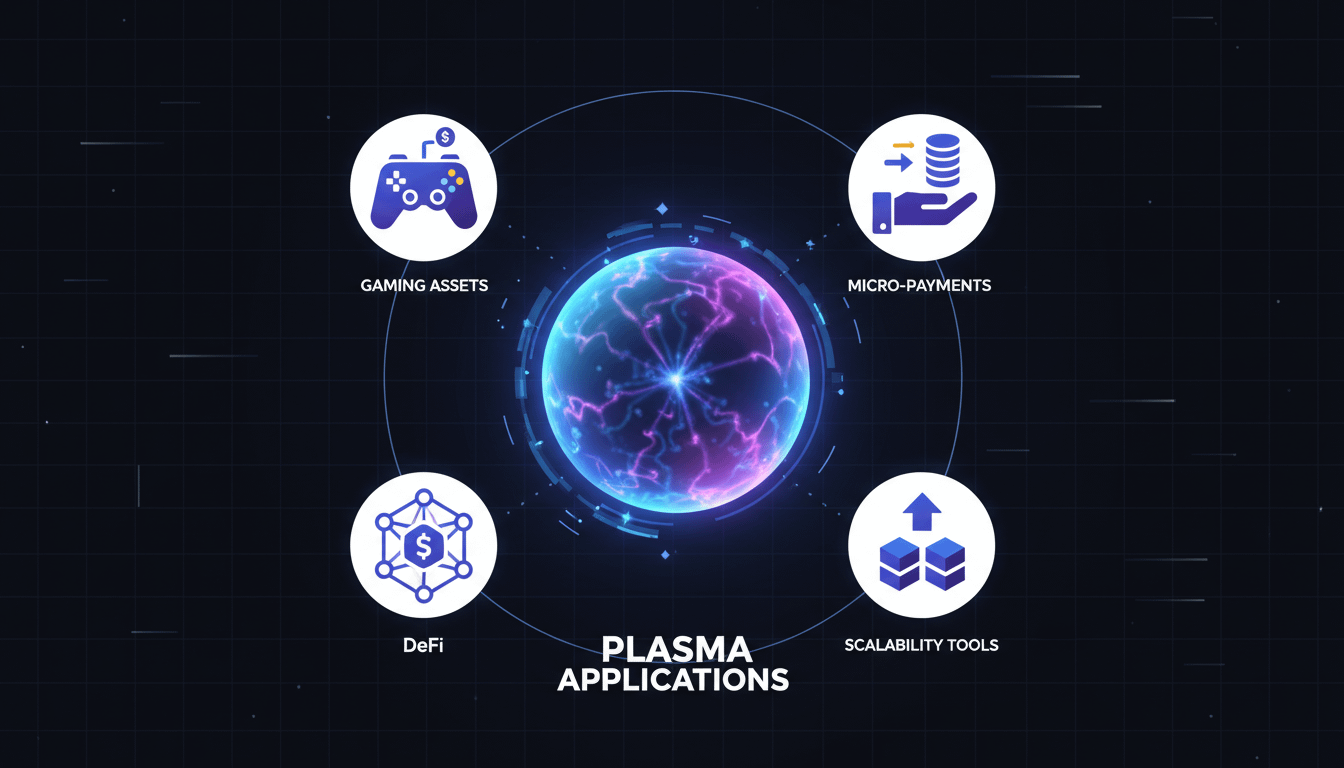
Suggested theme: Reliable infrastructure holding steady as market volatility rises.
The Real Reason Plasma Matters Now
The biggest shift isn’t technical—it’s psychological.
Teams are tired of experimenting with architectures that break under real usage.
They want something steady, predictable, and easy to maintain.
That’s exactly where Plasma fits.
It doesn’t promise magic.
It doesn’t chase trends.
It simply works as a scalable extension of a base chain.
When markets cool, that reliability becomes a rare commodity.
Closing Thoughts
Plasma isn’t a trending narrative, and maybe that’s its strength.
In a space overwhelmed by complexity, Plasma brings back a design principle many chains forgot:
Scale doesn’t have to be complicated—just trustworthy.
As more developers revisit old blueprints to build the next generation of applications, Plasma’s simple, durable architecture may become one of the most valuable tools left on the table.

