

Lately I’ve noticed that liquidity isn’t leaving in waves, it’s pausing. Capital is still present, but it’s sitting longer and moving with smaller adjustments instead of fast exits. That detail matters right now because slow liquidity usually reflects evaluation, not fear. When providers stop reacting instantly, it often signals that structure and incentives are being weighed more carefully. Around vanry, this pause feels less like indecision and more like capital watching how the system behaves under mild pressure.
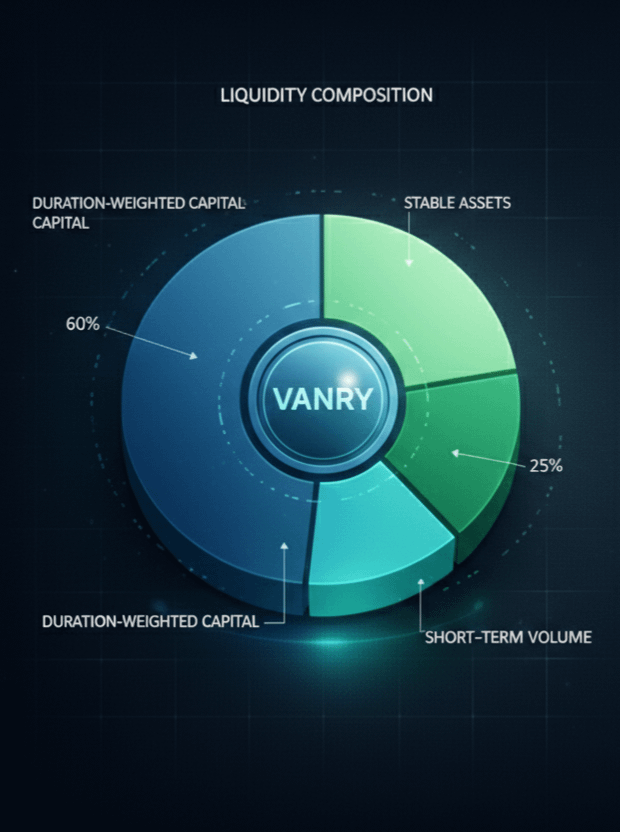
A recent on-chain signal helps explain that shift. Over the past few weeks, average liquidity retention lengthened while short‑window withdrawals declined, even as total inflows stayed flat. At the same time, a protocol update adjusted reward weighting toward duration rather than raw volume, changing who benefits from staying put. This alters how depth absorbs stress and how quickly exits occur. If liquidity is choosing to wait instead of rotate, what does that say about confidence in the underlying mechanics?
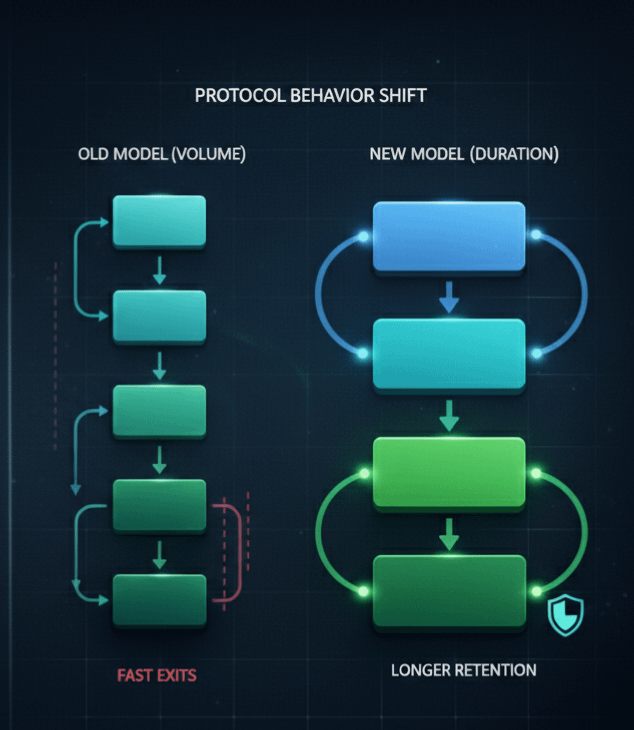
For participants, this kind of environment changes the playbook. Liquidity composition becomes more important than headline totals, and timing starts to matter more than speed. Providers who align with longer retention windows help smooth volatility and make exits less abrupt for everyone else. Observing how vanry‑linked liquidity behaves during these quieter periods offers a useful reminder: markets don’t always reveal their direction through movement—sometimes they reveal it through patience.
$RESOLV $VANRY #vanar #Vanar #USIranStandoff #RiskAssetsMarketShock #WhenWillBTCRebound @Vanarchain $SIREN