

In the rapid evolution of blockchain, whether a project can stand out often depends on its ability to solve long-standing pain points in the industry. The emergence of Kava aims to break the dilemma between the 'silo effect' and performance bottlenecks in the blockchain world. As a secure, lightning-fast Layer-1 public chain, Kava cleverly combines Ethereum's powerful developer ecosystem with Cosmos's efficient cross-chain capabilities into a scalable network, thus shaping a truly blockchain infrastructure that integrates speed, interoperability, and development freedom.
Traditional public chains often face trade-offs: Ethereum has a large developer community and a wealth of DeFi applications but is often criticized for performance and transaction fees; while Cosmos focuses on modularity and cross-chain interoperability, it is somewhat lacking in the richness of application ecology. Kava's chosen path is 'a balance of both' - attracting developers through Ethereum Virtual Machine (EVM) compatibility, leveraging the high speed and cross-chain features provided by Cosmos SDK and IBC (Inter-Blockchain Communication Protocol) to form a unique dual-engine drive.
In terms of performance, Kava's architecture adopts a highly optimized Tendermint consensus mechanism, enabling block production in seconds and extremely low confirmation delays. This means that applications running on Kava can maintain the security of a decentralized network while enjoying response speeds close to centralized systems. For users, this enhancement in experience is not only reflected in transfer speeds but, more importantly, in complex DeFi protocols where operations such as liquidity provision, lending, and derivatives trading can become smooth and efficient.
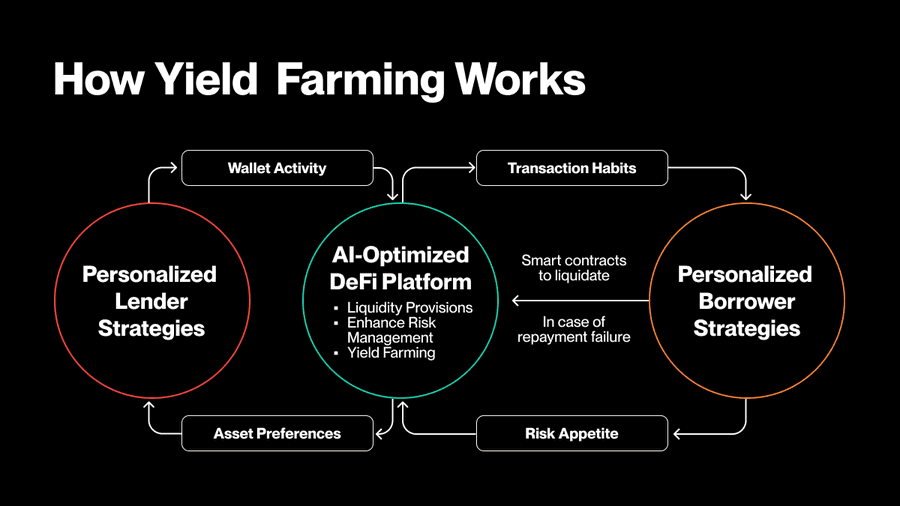
The prosperity of the ecosystem is key to the long-term development of blockchain. What sets Kava apart is its incentive mechanism designed for developers - Kava Rise. This program allocates block rewards to builders based on application usage rates, allowing developers to rely not solely on financing or token issuance but to earn revenue through real user utilization. In other words, Kava deeply binds the success of developers with the prosperity of the network, thereby incentivizing more high-quality applications to take root. This capability enables Kava to have a 'self-sustaining' ability among many public chains.
It is worth noting that Kava's design philosophy goes beyond just DeFi. As blockchain gradually expands into broader application scenarios such as Real World Assets (RWA), NFTs, and GameFi, Kava's speed, scalability, and cross-chain advantages position it as a potential key platform for supporting the next generation of Web3 applications. For instance, in the tokenization process of RWA, Kava can provide high-performance underlying support for the on-chain and circulation of traditional assets, while ensuring cross-chain liquidity, allowing these assets to seamlessly enter the broader DeFi world.
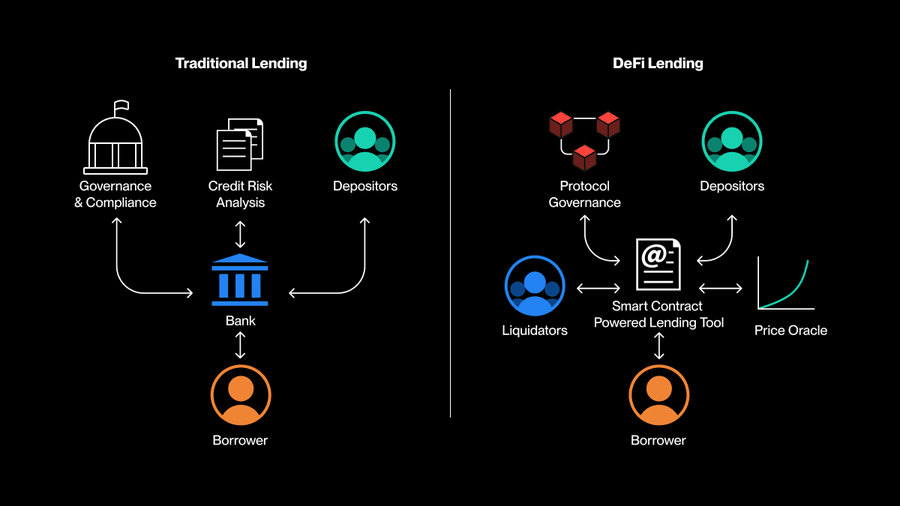
From a security perspective, Kava has maintained extremely high stability and attack resistance for a long time. Its network not only ensures security through a strict validator mechanism but also actively conducts code audits and ecological monitoring to ensure that developers and users can operate in a transparent and reliable environment. Unlike some 'reckless' emerging public chains, Kava has found a balance between security and speed, which also provides a solid foundation for its long-term development.
In summary, Kava is not simply another Layer-1; it is more like a bridge, connecting the vast applications and developer resources of Ethereum on one end and the efficient cross-chain network of Cosmos on the other. On this bridge, developers have unlimited creative freedom, users can enjoy extreme speed and low-cost experiences, and the entire ecosystem achieves self-evolution through incentive mechanisms and cross-chain interoperability.
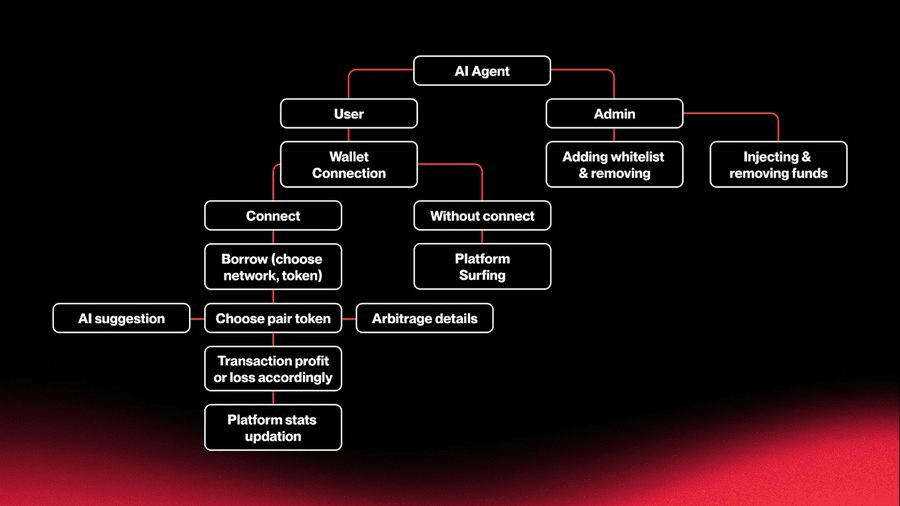
The future of blockchain requires infrastructure that understands both developers and users. Kava's strategy is based on this point: breaking down silos with technology, driving innovation with incentives, and establishing trust through speed and security. In the long run, it is expected to occupy a place in the fierce competition among public chains, becoming a core hub in the Web3 world that combines performance with ecological vitality.