I was standing in a long line at a new burger place last month. Everyone was curious because it had just opened. The branding was clean, the staff energetic, the menu familiar. A week later the line was gone. Nothing was wrong with it. It just wasn’t different enough to matter. I keep thinking about that when I look at new Layer-1 blockchains trying to survive in this cycle.
The L1 market feels crowded in a quiet way. Not loud like 2021. Just… full. Every chain claims high throughput, which simply means it can process a lot of transactions per second. Every chain talks about low fees. On dashboards, the numbers look impressive. TPS here. TVL there. TVL, or total value locked, measures how much capital is deposited into apps on the chain. It’s often treated like proof of demand. Sometimes it is. Sometimes it’s just incentives pulling money in for a short visit.
I’ve seen this pattern too many times to ignore it. Liquidity mining launches. When the rewards are high, people show up fast. Volume jumps. Wallets become active overnight. On Binance Square, you can almost feel it, posts start climbing the feed because the numbers look impressive. High engagement, rising charts, everything pointing up. It creates momentum. Whether that momentum lasts is a different question.Ranking systems reward visible growth, and visible growth attracts more attention. It becomes a feedback loop. But attention isn’t the same thing as product-market fit. When rewards taper off, the volume fades. What remains is the real test.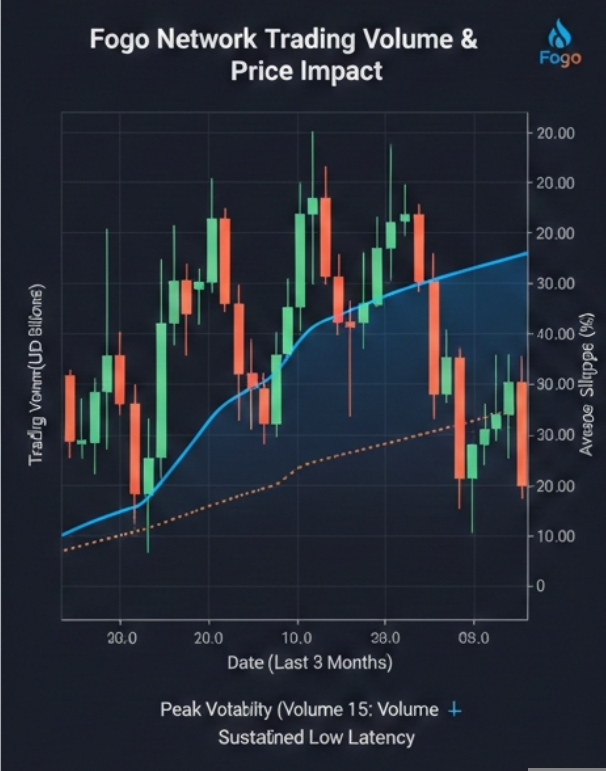
With Fogo, what stands out to me isn’t just the speed narrative. Yes, 40 millisecond block times sound impressive. That means a new block is produced every 0.04 seconds. For context, that’s approaching the kind of latency traders care about in traditional markets. Latency is just delay. If you’re placing trades where price moves quickly, delay matters. But I’ve learned to be cautious about raw performance numbers. Peak speed under ideal conditions doesn’t automatically translate into reliable execution when markets get volatile.
What feels more interesting is the focus. Fogo doesn’t seem obsessed with being everything. There’s an emphasis on trading infrastructure, on execution quality. That’s different from launching as a general-purpose chain and hoping developers invent a reason to stay. It reminds me of niche businesses that survive because they do one thing extremely well. Not glamorous. Just dependable.
Still, I don’t think speed alone gets you to product-market fit. Product-market fit, at least how I understand it, is when users stay without being bribed. When leaving feels inconvenient. In crypto, that’s rare. Most users are fluid. Capital moves in seconds. If a chain’s primary draw is incentives, the loyalty is thin.
I also suspect something people don’t talk about enough: product-market fit in crypto might not belong to the chain at all. It might belong to the application built on top of it. If traders end up loving a specific trading platform running on Fogo, they may not even care that it’s Fogo underneath. Infrastructure becomes invisible when it works. Maybe that’s the real goal. Not brand dominance, but seamless background performance.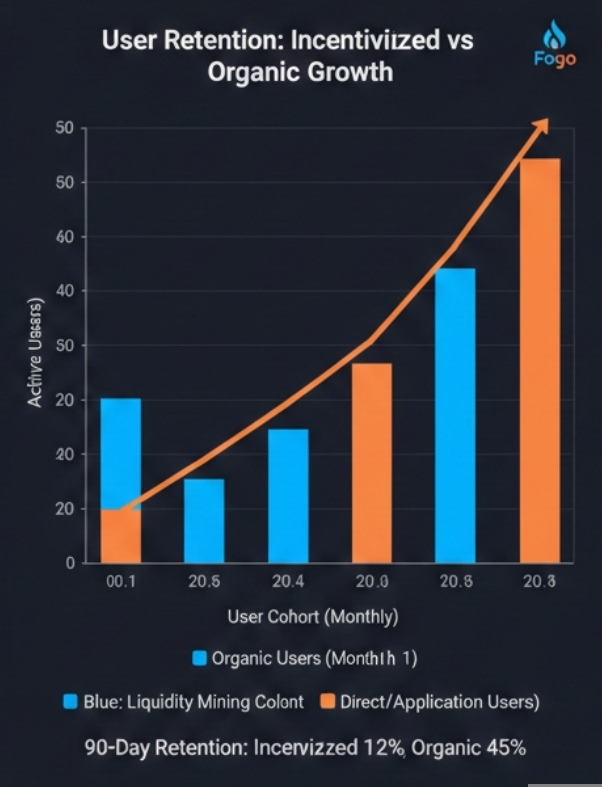
There’s a psychological layer too. On Binance Square, visibility metrics shape belief. A project with rising engagement looks credible. AI-driven ranking tools amplify what appears active. That can create early legitimacy. But it cuts both ways. If activity looks inflated or incentive-driven, skepticism spreads just as quickly. The audience has matured. They’ve seen the cycle of hype, peak, and silence. People scroll differently now.
One thing I do appreciate is the attempt to reduce friction. Gas-free interactions, session-based design. Gas fees are the small costs paid to execute transactions. For experienced users, they’re normal. For newcomers, they’re confusing. I’ve onboarded friends before. Explaining why they need a separate token just to move another token never feels smooth. Removing that step isn’t revolutionary, but it matters. Small annoyances compound.
Of course, narrowing focus creates risk. If Fogo is optimized heavily for on-chain trading and trading activity slows, what then? Markets aren’t always volatile. There are long periods where nothing moves much. Infrastructure built for high-frequency demand can feel underused in calm conditions. Diversifying too much, though, dilutes identity. It’s a difficult balance.
Decentralization adds another layer. Faster chains often rely on tighter validator coordination. Validators are the nodes that confirm transactions. More decentralization can mean more resilience, but sometimes slower upgrades. Institutional participants, the kind managing large capital pools, look closely at these trade-offs. They care about outage history. Governance processes. These topics don’t trend well on social media, but they shape real adoption.
If I’m being honest, what makes or breaks Fogo won’t be its block time headline. It will be whether traders feel execution quality is consistently better over months, not days. If slippage is lower. Slippage means the difference between the expected price of a trade and the price you actually get. If settlement feels reliable during stress. These are quiet metrics. They don’t create viral posts. They create habits.
And habits are harder to disrupt than hype.
The saturated L1 market doesn’t need another fast chain in theory. It needs a chain that makes a specific group of users slightly uncomfortable about leaving. That’s a subtle shift. Not excitement. Not narrative dominance. Just utility that becomes routine.
I don’t know yet if Fogo reaches that point. The market is less forgiving now. People test things quickly and move on just as fast. But sometimes the projects that endure aren’t the loudest. They’re the ones that stop trying to impress everyone and instead serve a narrow audience deeply enough that staying feels rational.
The burger place I mentioned earlier? It’s still open. The crowd is smaller, steady. I walked past it again last week. No hype. Just regular customers going in without thinking twice. In crypto terms, that might be the most underrated signal of all.

Artigo
Fogo’s Path to Product-Market Fit in a Saturated L1 Market
Aviso Legal: inclui opiniões de terceiros. Não se trata de aconselhamento financeiro. Poderá incluir conteúdos patrocinados. Consulta os Termos e Condições.
0
0
30
Fica a saber as últimas notícias sobre criptomoedas
⚡️ Participa nas mais recentes discussões sobre criptomoedas
💬 Interage com os teus criadores preferidos
👍 Desfruta de conteúdos que sejam do teu interesse
E-mail/Número de telefone