

The fundamental thesis driving Fabric Foundation innovation is elegantly simple if robots perform labor, they must participate in markets yet today's financial infrastructure excludes machines entirely.
They cannot hold assets, negotiate rates, or reinvest earnings. This creates an invisible ceiling on automation's potential.
Fabric removes this ceiling through cryptographic primitives.
Each robot receives a decentralized identifier app (DID) —a verifiable on-chain identity a functions as a cryptographic passport.
When a robot repairs a solar farm or cleans a public space, its work is verified by neighboring machines through consensus mechanisms.
Upon verification, payment settles instantly in ROBO. The robot can then autonomously purchase charging services, order replacement parts, or even stake its earnings to fund new robots entering the network.
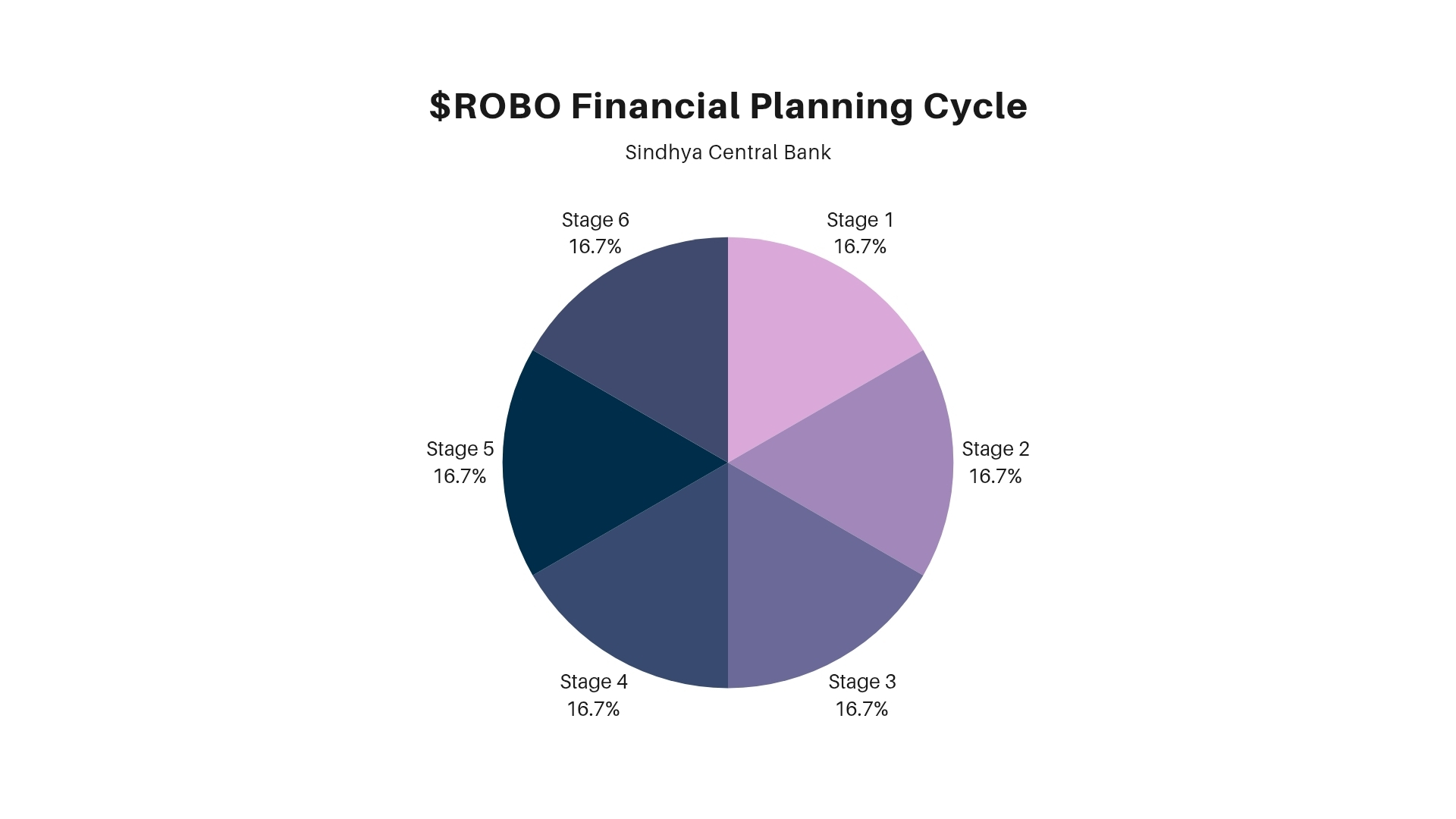
How ROBO Financial Plans Best Experiment
Today, a delivery robot built by Company A cannot communicate with a security robot built by Company B. They are siloed tools, operating in isolated technological fiefdoms. More critically, they lack the most basic economic tools possessed by any human gig-worker: a wallet, a bank account, or the ability to enter into a contract.
The Fabric Foundation, driven by its core and the contributor open mind a team hailing stanford and with backing from pantera capital and coinbase ventures recognized this structural flaw.
They envisioned a world where robots are not just tools but autonomous economic agents.
The implications extend beyond robotic autonomous system drone fleets AI agents, smart infrastructure can participate.
Fabric isn't building a robot economy it's building the economic internet for intelligent machines.
The ROBO is simply the native fuel, the universal language of value that allows silicon and code to finally transact with purpose.