
Most people still think blockchain is about prices, trading charts, or the next token pump.
But when you step back and watch how the technology is actually evolving, something different becomes clear. Blockchain is slowly turning into infrastructure ,the invisible rails that move value around the world.
From my experience watching the crypto space for many years, the biggest signal is not price. The real signal is when technology becomes boring, normal, and quietly useful.
And that is exactly what is starting to happen in 2026.
Money Is Becoming Software
Stablecoins are probably the clearest example of this shift.
Today more than $300+ billion worth of stablecoins circulate across blockchains. But the interesting part is not the number — it is who is using them.
Freelancers are getting paid in stablecoins.
Families are sending remittances across borders.
Small businesses are settling invoices instantly.
What used to take banks 2–3 days and high fees now happens in seconds.
In many developing countries, stablecoins are quietly becoming the default digital dollar, even for people who never traded crypto.
This is a completely different story than the speculative cycles people usually talk about.
Real Assets Are Entering the Chain
Another major shift is tokenization of real-world assets (RWA).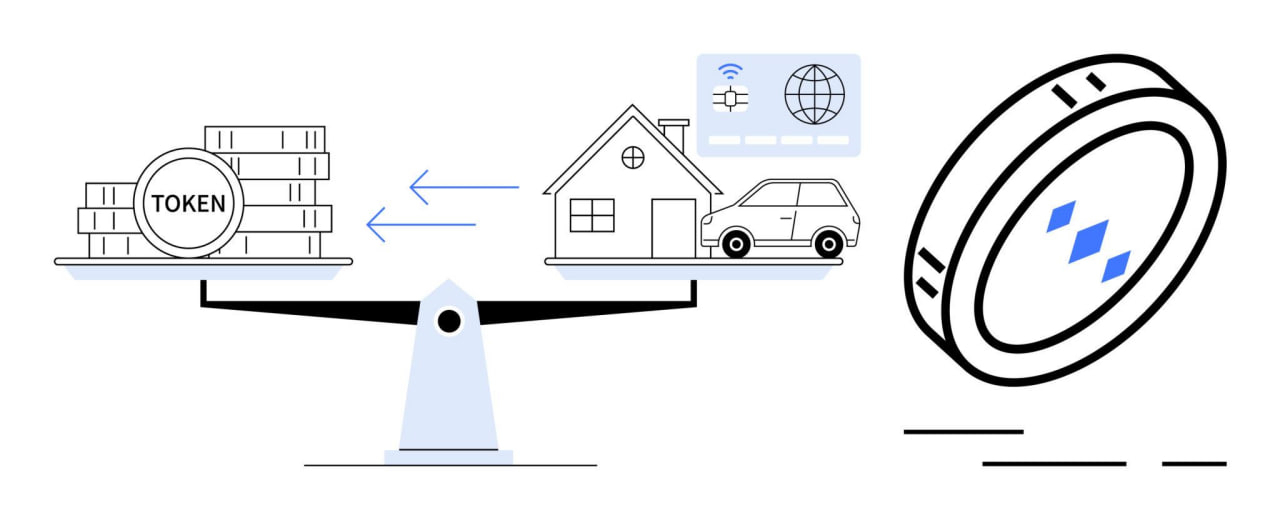
For decades, assets like bonds, real estate, and private credit were locked inside closed financial systems. Only large institutions and big players could easily access them,Normal users unable to think even.
But now Blockchain changes this.
Privacy Is now Becoming a Requirement
Now these assets can exist as programmable tokens that move instantly, settle automatically, and remain visible on-chain.
Large financial players like BlackRock and other asset managers are already experimenting with tokenized funds.
The interesting part is not just efficiency.
Tokenization changes who gets access.
When assets become programmable, smaller investors and global markets can interact with them in ways traditional finance never allowed.
Speed Is Becoming Invisible
Another trend many users may not notice directly is the quiet improvement in blockchain performance.
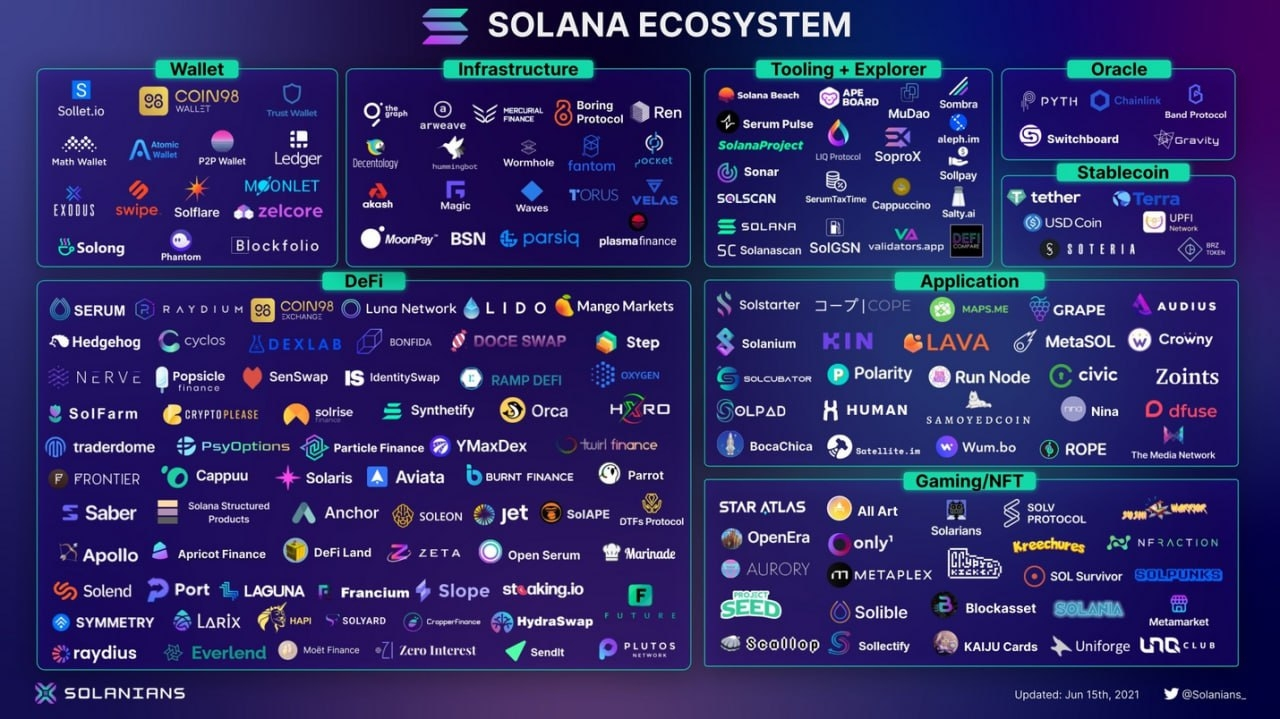
Networks like Solana and new Layer-2 systems are processing huge volumes of transactions every day with extremely low fees.
But the goal is not just speed.
The goal is abstraction.
In the near future, users will not need to ask:
* Which chain am I on?
* What gas token do I need?
* Which bridge should I use?
Applications will simply work, just like using the internet today.
The infrastructure will remain in the background.
Infrastructure Is Becoming Decentralized
One of the most fascinating developments is the rise of DePIN — Decentralized Physical Infrastructure Networks.
Instead of giant corporations owning infrastructure, blockchain now allows individuals to contribute resources like:
* wireless connectivity
* storage capacity
* computing power
* mapping data
and receive tokens in return.
This turns infrastructure into a global cooperative network rather than a centralized service.
Projects in wireless networks, AI computing, and data storage are already experimenting with this model.
For many regions, this could become a new way to build infrastructure without massive centralized investment.
AI Agents Are Entering into real Economy
Another emerging idea is AI agents start operating on blockchain networks at real time.
These agents can hold wallets, execute transactions, and interact with smart contracts automatically at 24/7 with human inspections under rules alnd regulations what users setup.
Imagine software that can do now:
* It can manage a treasury
* Apply trading strategy
* pay automatically for computing services
* coordinate with other AI agents at real time
All without human intervention.
Blockchain provides the economic layer for these autonomous systems.
It gives AI something it never had before:
a native way to own assets and transact independently.
As blockchain adoption grows, privacy is playing more important.
By solving this,Technologies like Zero-Knowledge proofs (ZK) allow networks to verify transactions without revealing sensitive information, This actually game changer innovation by blockchain .
This creates a balance between transparency and privacy at real time based on users interest.
Users can prove something is correct without exposing all sensitive details on publick ledger.
For financial systems and enterprise use, this is becoming a critical requirement.
I feel the Quiet Institutional Shift compared to previous
Another recoginable change in 2026 is about growing presence of institutions and big players.
Public companies now hold Bitcoin on their balance sheets.
Governments are testing digital currencies.
Regulators are slowly creating clearer frameworks.
This does not mean decentralization disappears.
Instead, it suggests blockchain is moving from an experimental technology into a global financial layer that different participants can build on.
The Bigger Change Most People Miss
The biggest change may not be technical at all.
It is behavioral.
For years, crypto culture focused mostly on speculation.
But gradually the narrative is shifting toward utility and infrastructure.
Payments.
Settlement.
Tokenized assets.
Decentralized infrastructure.
Autonomous software economies.
These systems are not replacing traditional finance overnight.
They are quietly building parallel rails that move faster, cost less, and operate globally.
A Thought I Often Come Back To
When new technologies truly succeed, people eventually stop talking about them.
The internet is no longer exciting — it is simply part of life.
Blockchain may be heading in the same direction.
Less hype.
Less noise.
More quiet usage in the background.
And that might be the strongest signal of real adoption.
Because when infrastructure works well, you rarely notice it at all.


