
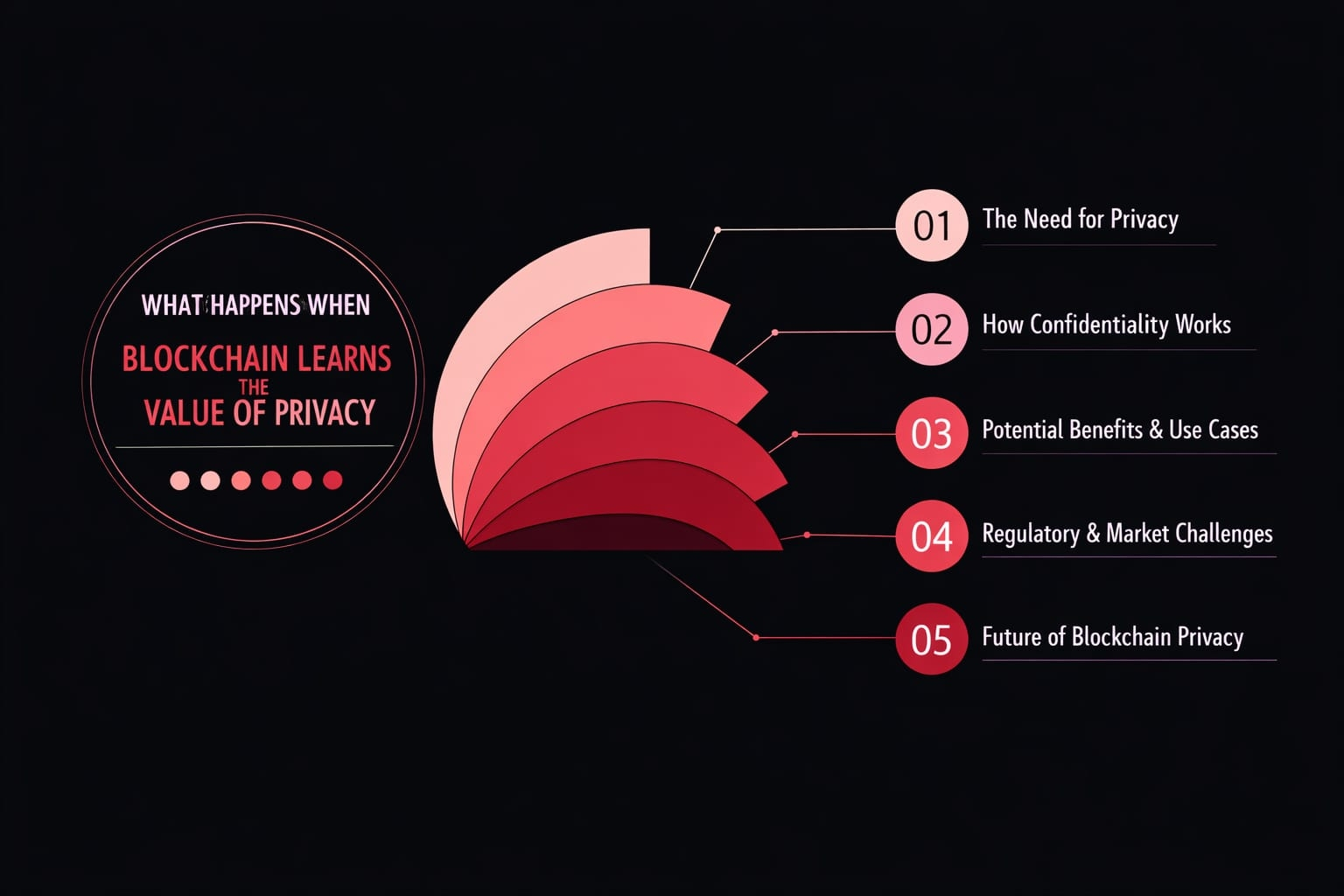
I still remember a conversation that made me look at blockchain a little differently.
A friend of mine was exploring on-chain transactions for the first time, and at first it all felt impressive. We were watching wallets move funds, checking balances, following transaction history, and seeing everything laid out in public. It had that familiar blockchain feeling — open, traceable, verifiable. The kind of transparency that makes the technology feel powerful.
But the longer I looked at it, the more uneasy I became.
Because transparency sounds amazing until you imagine blockchain being used for more serious things. A business would never want its financial behavior exposed for competitors to study in real time. An institution cannot simply place sensitive operational data on a fully public system and pretend that is practical. Even ordinary users may believe in decentralization while still wanting some part of their digital activity to remain private.
That is the space Midnight Network is trying to explore.
What makes Midnight interesting is that it does not treat privacy as something that must come at the cost of trust. Instead, it is built around the idea that a system can still be verifiable without forcing every piece of information into public view. Through zero-knowledge cryptography and selective disclosure, Midnight aims to let users and applications prove that something is valid without revealing everything underneath it.
That shift may sound technical, but the idea behind it is actually very human. Not everything needs to be hidden, and not everything should be exposed. In real life, trust does not mean telling everyone everything. It usually means sharing what is necessary, protecting what is sensitive, and creating rules that make both possible. Midnight is trying to bring that logic into blockchain design.
This is why the project matters beyond its own ecosystem. Blockchain is gradually moving into areas that go far beyond simple token transfers. It is now being discussed in the context of payments, digital identity, enterprise systems, tokenized real-world assets, and financial infrastructure. And once blockchain begins touching those areas, radical transparency starts to look less like a strength on its own and more like a model with clear limitations.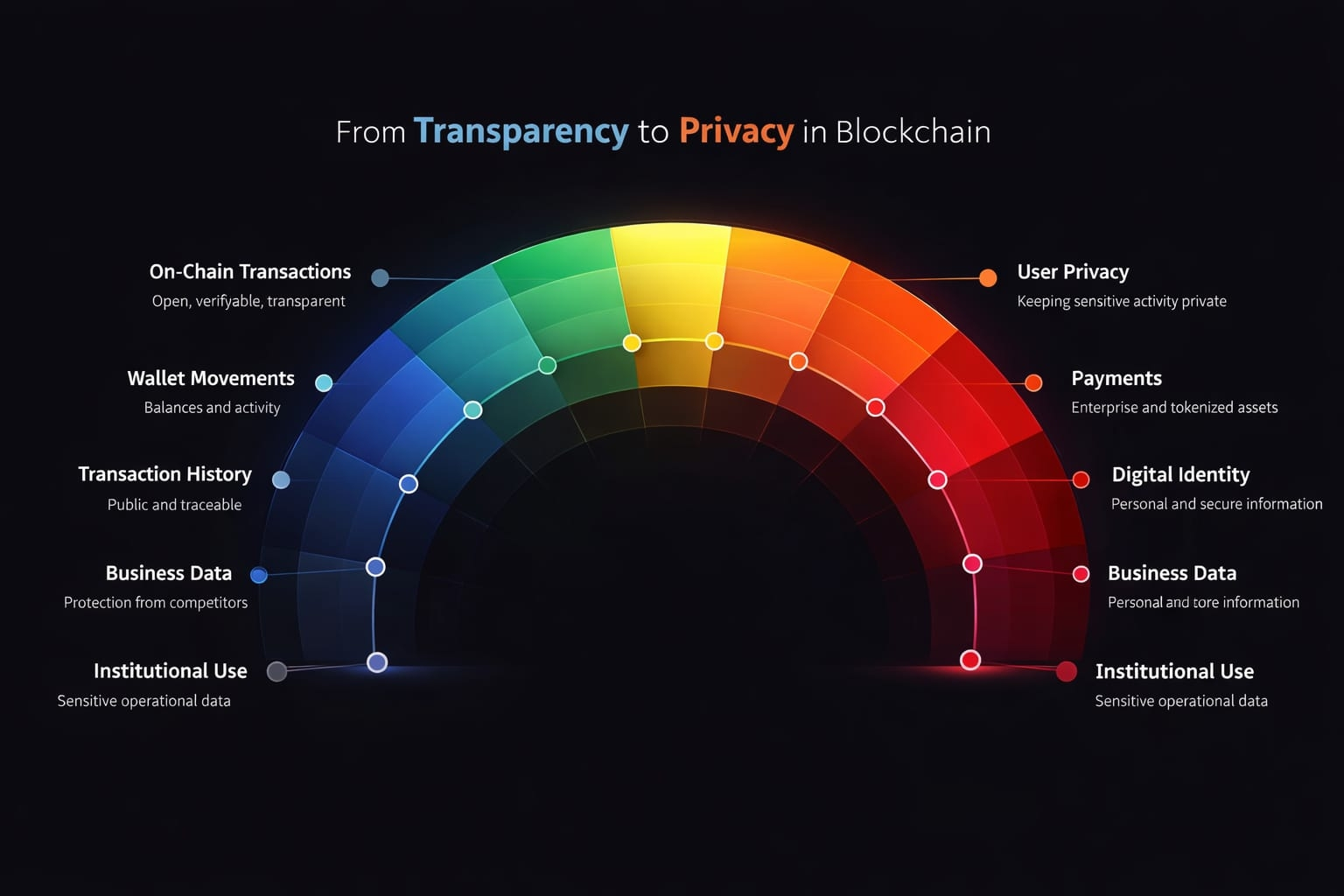
That gives Midnight a meaningful place in the conversation.
Its connection to Input Output and the wider Cardano partner-chain framework also gives it a stronger foundation than many projects that try to build privacy infrastructure from scratch without a broader ecosystem around them. The use of the NIGHT token alongside the DUST resource model also suggests an effort to separate visible network participation from the mechanics powering private application activity. Whether that design becomes truly effective will depend on execution, but the direction itself is thoughtful.
Still, the challenges are hard to ignore.
Privacy-preserving systems are never simple. They are more demanding for developers, more difficult for outsiders to evaluate, and often more complicated for regulators to feel comfortable with. Midnight’s selective disclosure model may help answer some of those concerns, but in practice the project will still need to prove that privacy can work without creating unnecessary friction or distrust.
And then there is the question every ambitious blockchain project eventually faces: can the architecture turn into real adoption? A strong idea is not enough by itself. Developers need useful tools. Institutions need confidence. Users need applications that solve real problems without feeling overly technical or inaccessible. That is where many projects with smart design begin to struggle.
Even so, Midnight feels important because it reflects a deeper shift in how people are starting to think about blockchain itself.
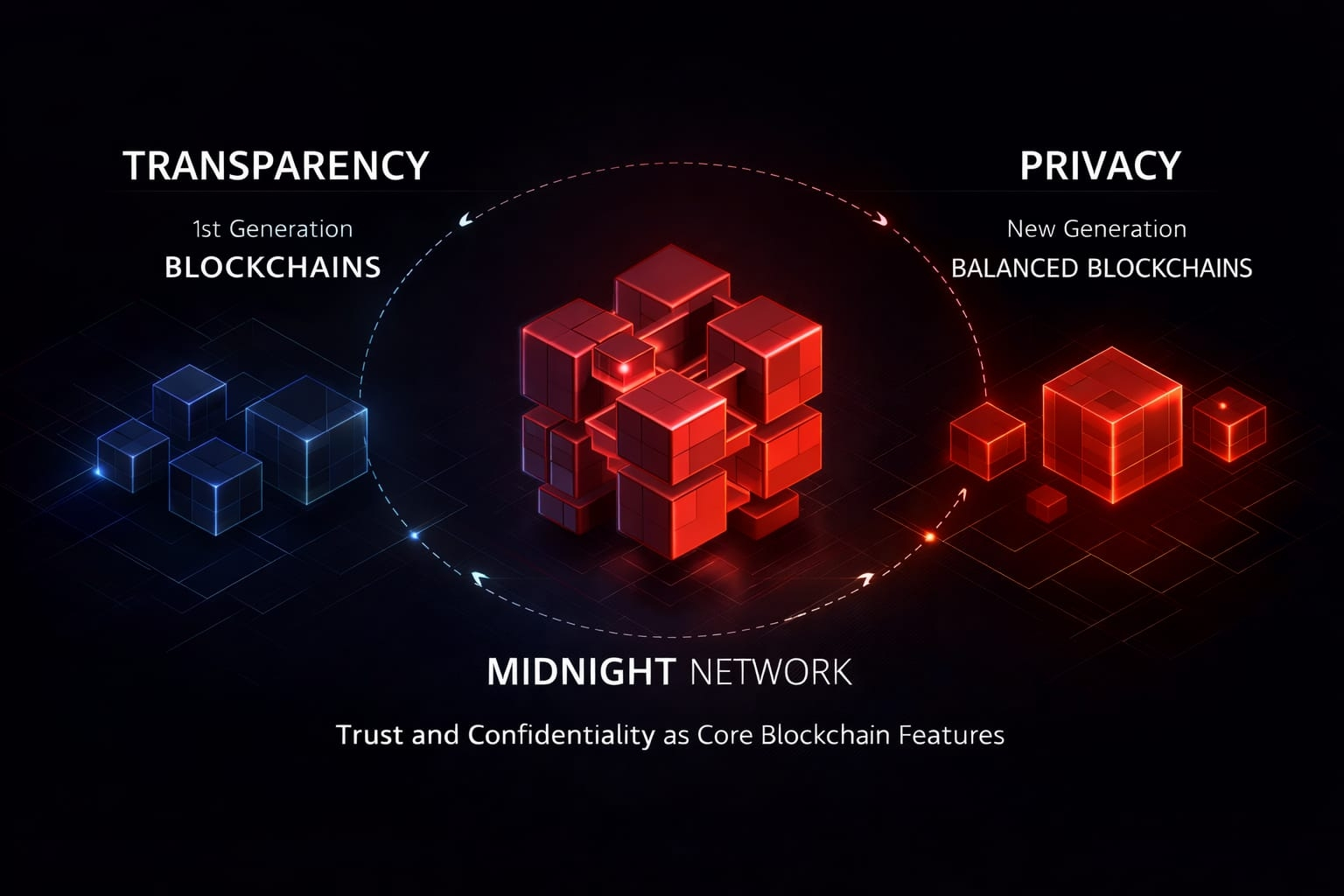
The first generation of blockchains proved that transparency could help create trust in a decentralized environment. But the next stage may depend on something more balanced. If distributed systems are going to support finance, business operations, identity, and sensitive digital coordination, then privacy cannot remain a secondary feature. It has to become part of the architecture from the beginning.
That may be the bigger meaning behind Midnight Network.
It is not just asking how to make blockchain private. It is asking whether the future of blockchain will depend on learning that trust and confidentiality do not have to work against each other. In many cases, they may actually need each other.
@MidnightNetwork #night $NIGHT
