
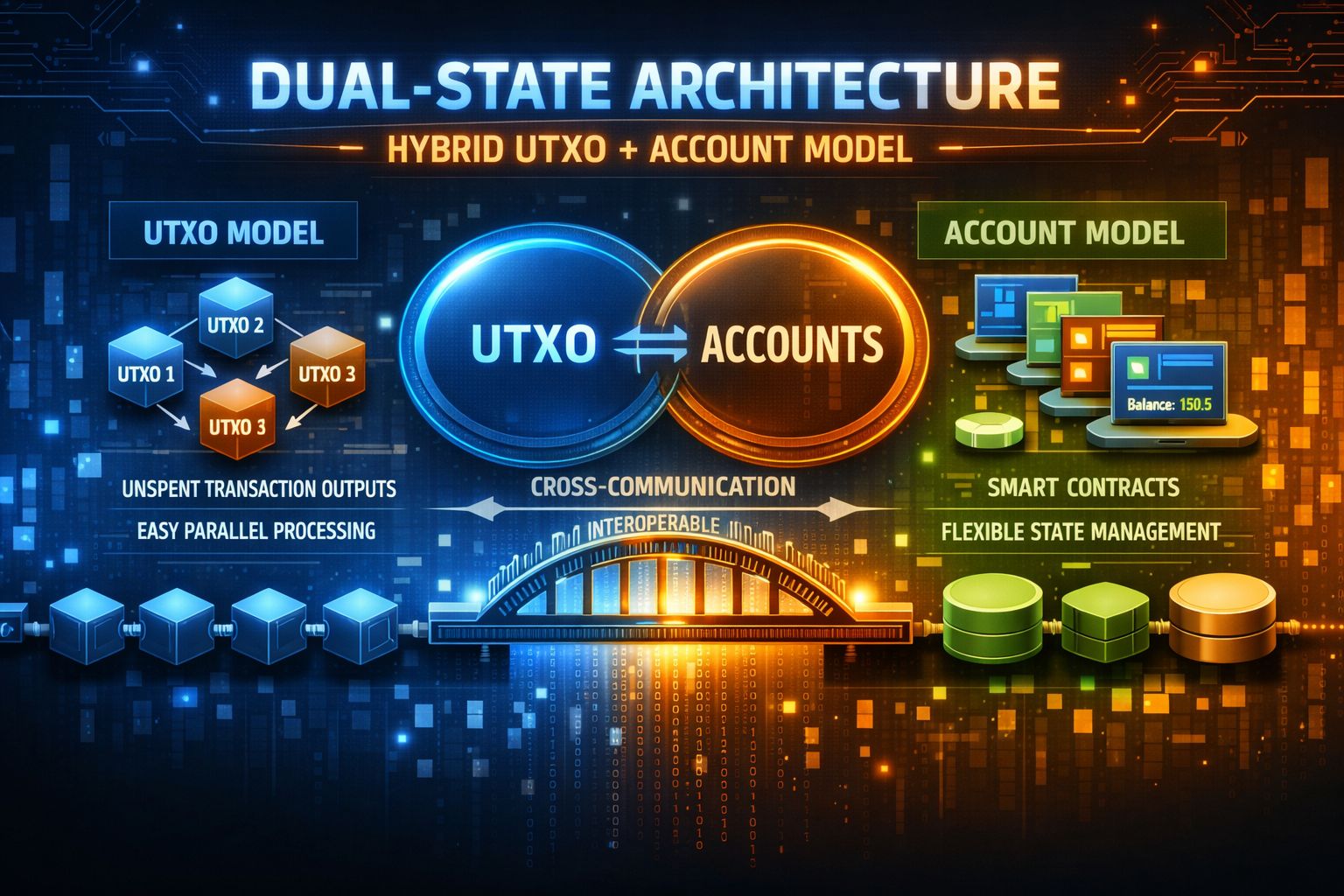
Sempre fiquei impressionado com a forma como a Midnight Network lida com o estado. Em vez de escolher um modelo em detrimento do outro, ela combina inteligentemente o modelo UTXO e o modelo de Conta, criando uma arquitetura de estado dual altamente flexível projetada para blockchains focadas em privacidade.
Especificamente, o modelo UTXO é usado para transações blindadas (privadas). Cada saída é independente, o que facilita o processamento paralelo, reduz o risco de MEV (já que as transações não podem ser facilmente reordenadas como no Ethereum) e melhora a privacidade porque os saldos totais não são expostos diretamente.
Enquanto isso, o modelo de Conta é aplicado a contratos inteligentes. Isso facilita a gestão de estados complexos e a construção de aplicações como DeFi, plataformas de jogos ou outros dApps que requerem lógica sequencial—sem sacrificar o desempenho.
Na minha opinião, a maior vantagem é alcançar o “melhor dos dois mundos.” Comparado a projetos como Zcash (que usa um modelo UTXO completo, mas tem capacidades limitadas de contratos inteligentes) ou Aztec Network (que é mais centrado em contas e pode estar mais exposto ao MEV), o Midnight combina ambos os modelos para que os desenvolvedores possam escolher o modo mais adequado para seu caso de uso, enquanto tudo permanece verificável através de Provas de Conhecimento Zero.
Por exemplo, os usuários poderiam negociar privadamente em uma DEX com um livro de ordens oculto, enquanto a camada de liquidação pode permanecer pública quando a conformidade regulatória é necessária.
Eu acho que esta arquitetura torna o Midnight mais escalável, amigável para desenvolvedores (especialmente com a linguagem Compact), e melhor preparado para aplicações do mundo real. Se você é um desenvolvedor de blockchain, este é definitivamente um modelo que vale a pena estudar. 🚀