

I used to think advanced robotics and AI would always remain behind closed doors, built and controlled by a handful of large organizations. It felt distant something innovative, but not accessible. That perspective started to shift when I came across @Fabric Foundation .
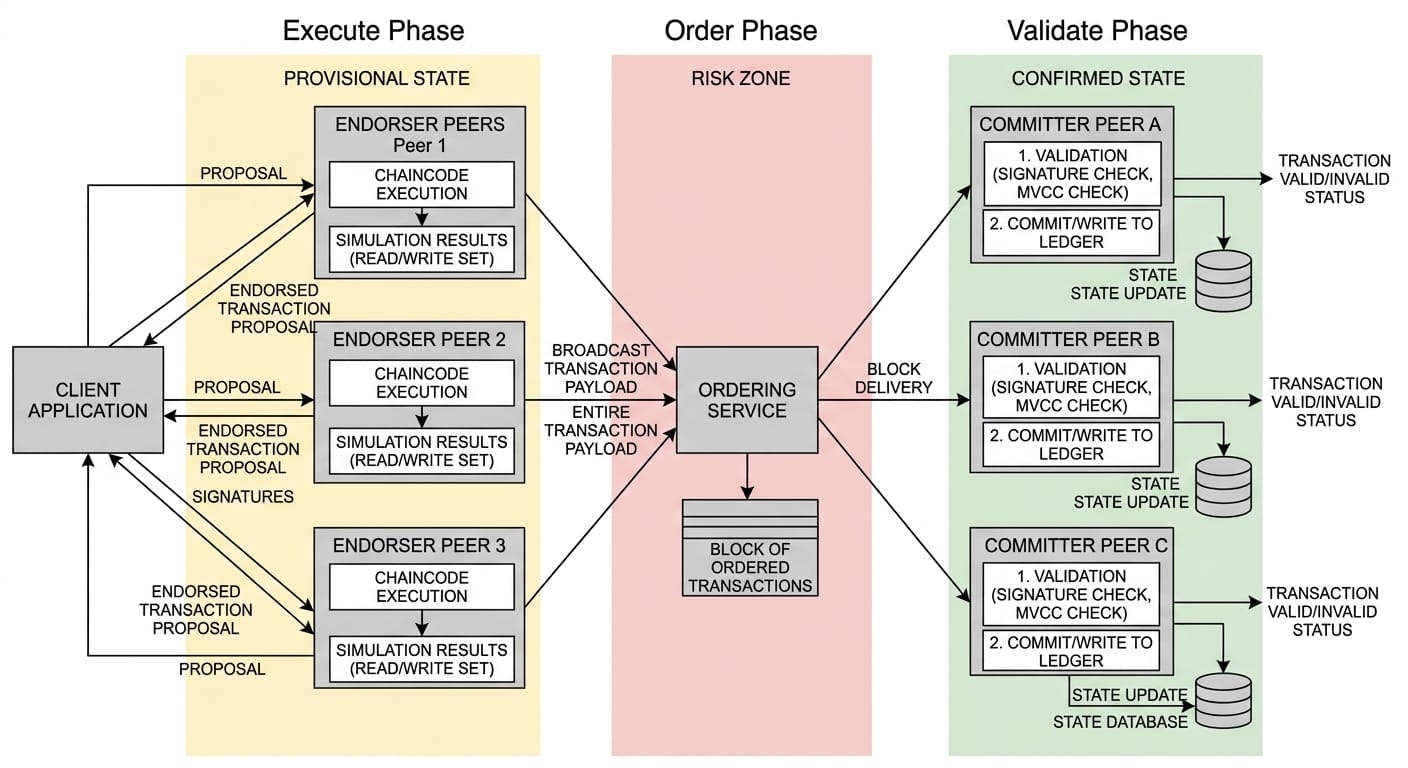
Fabric Foundation is exploring a different model—one where infrastructure for robotics and AI is not owned by a single entity, but shared across a network. Instead of isolated development, builders can contribute, collaborate, and benefit within an open system. This idea may sound abstract at first, but it becomes clearer when you think of it as a shared digital workshop for intelligent machines.
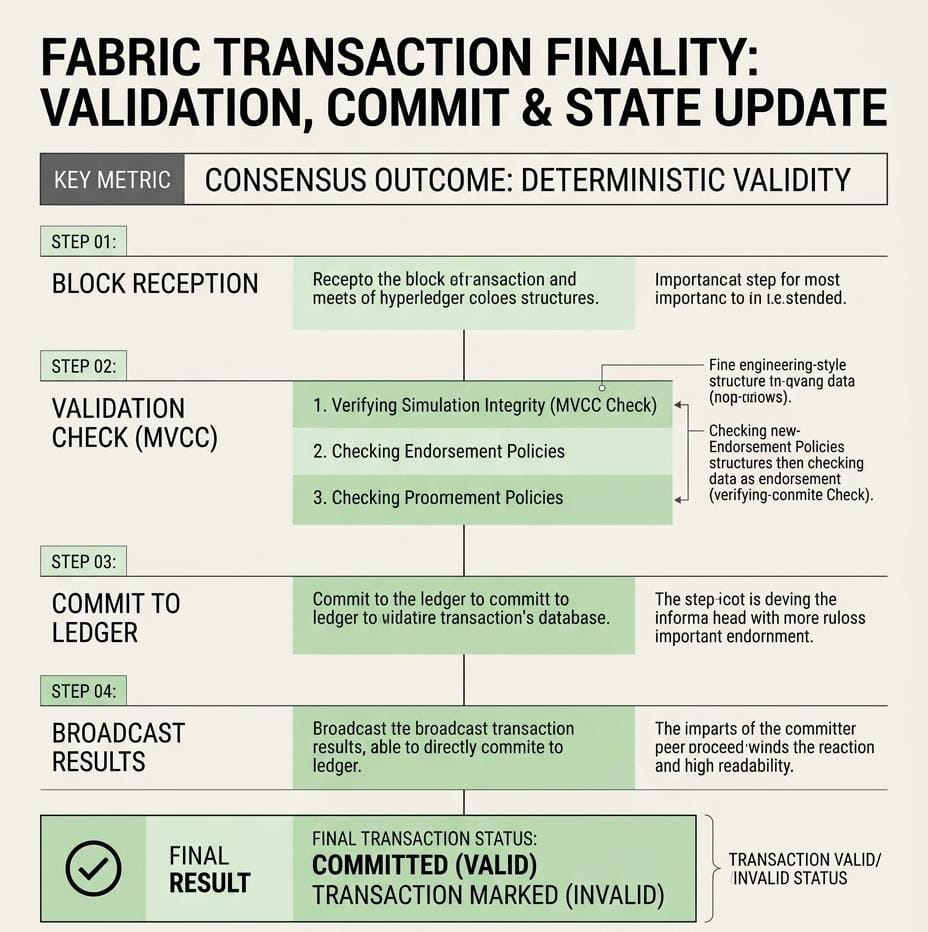
The role of $ROBO in this ecosystem is practical. It helps coordinate incentives, making sure contributors—whether developers, data providers, or researchers—are aligned and rewarded for their work. This creates a more balanced environment where innovation doesn’t depend on centralized control.
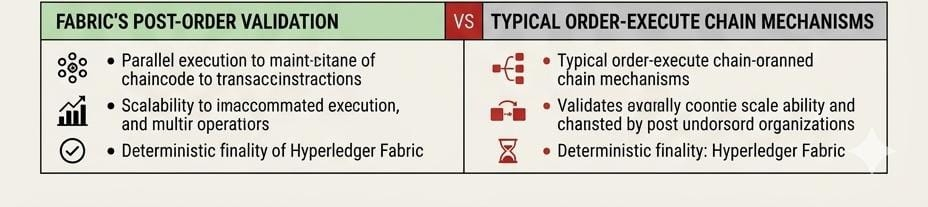
What stands out about this approach is its simplicity. Rather than trying to replace existing systems overnight, @Fabric Foundation is gradually building a foundation where decentralized collaboration becomes possible for robotics and AI. It’s less about disruption and more about offering an alternative path.
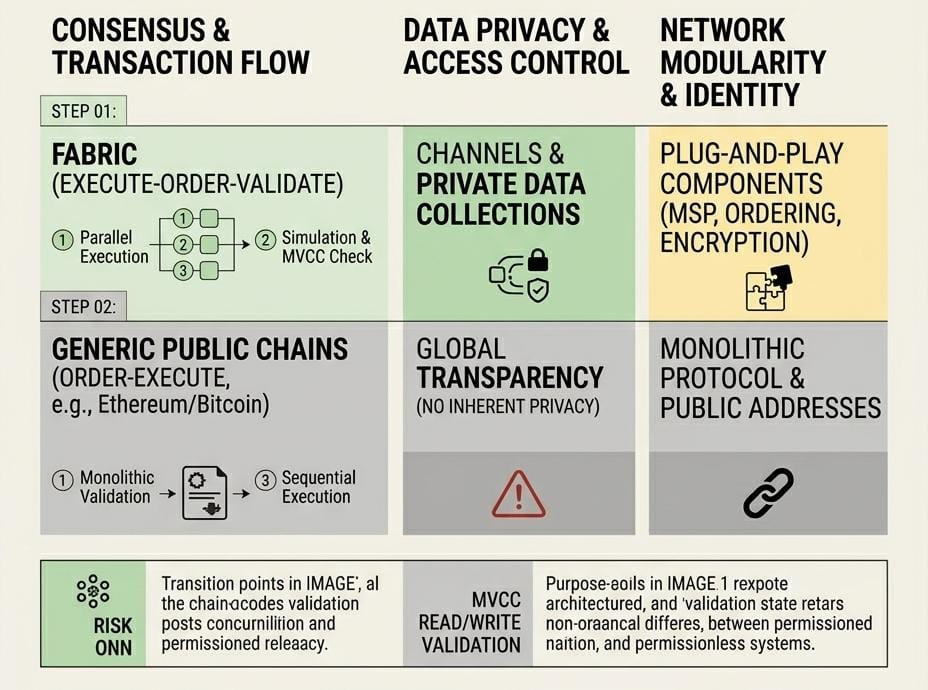
In a space where technology often moves faster than understanding, this model feels grounded. It suggests that the future of intelligent machines could be shaped not just by a few, but by a wider, connected community. #ROBO
@Fabric Foundation #ROBO $ROBO
