


🤔 You know what's rare in crypto? Tokenomics that don't look like they were designed during a three day bender with nothing but energy drinks and bad ideas.

Most projects out here have emissions schedules that make no sense, incentives that leak value everywhere, and some vague "community-driven" label slapped on top like that fixes everything. It's loud, it's fragile, and it usually falls apart the second the market stops clapping.
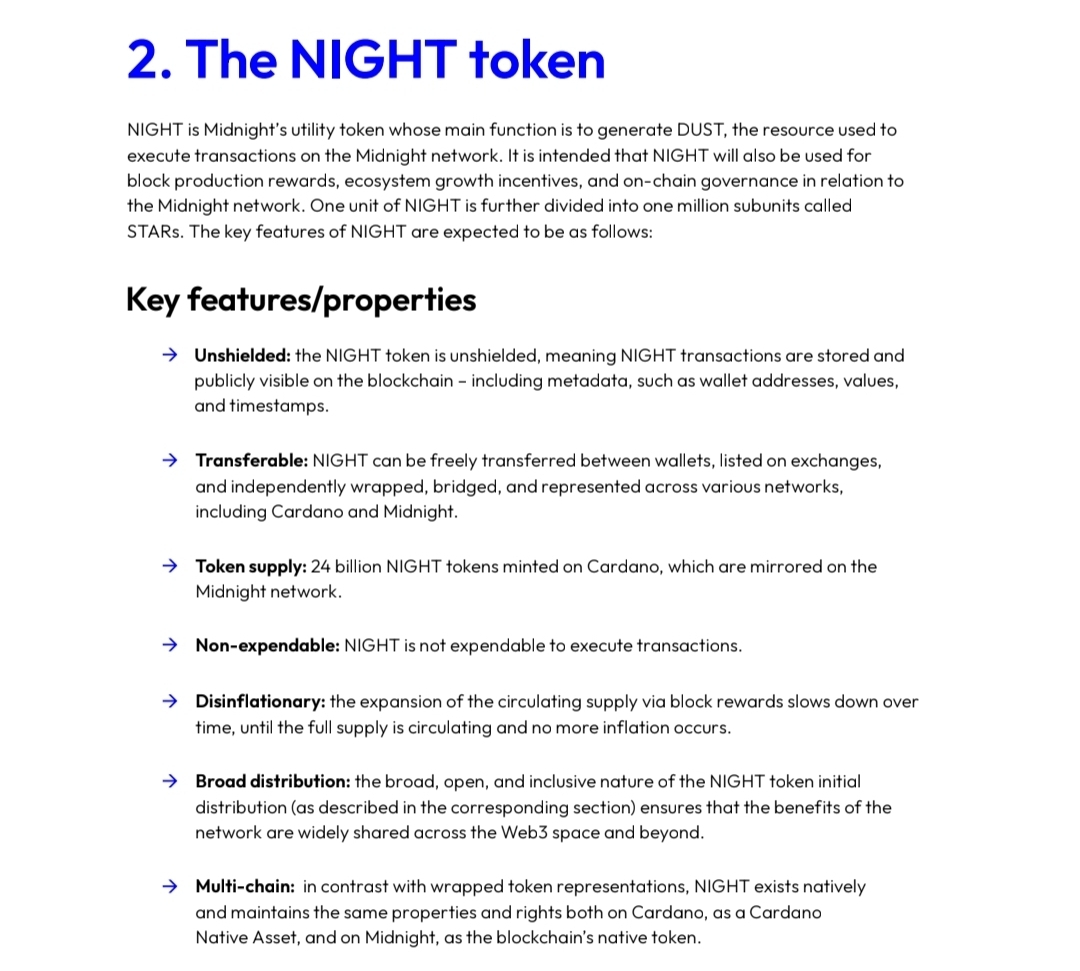
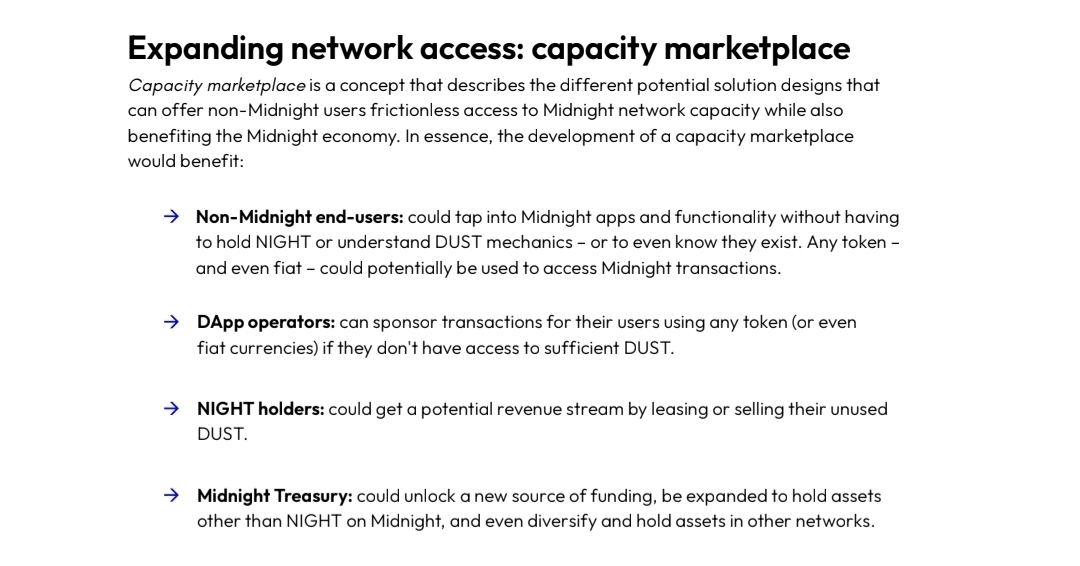
@MidnightNetwork is clearly trying to be something else. The NIGHT and DUST setup? Actually thoughtful. Separate layers for long-term value and day-to-day usage. Fee stability baked in. Less of that chaotic "what is this token even for" energy that plagues half the market. On paper, it looks like the kind of model you build if you want the network to last longer than one hype cycle and the Twitter thread that started it.
But Then You Have to Actually Build on It
Here's where my brain starts tugging in the other direction though.
Put yourself in a developer's shoes for a minute. You wake up. You want to build something. You want to ship it before your coffee gets cold and before some other team beats you to the idea. You do not wake up craving a beautifully structured dual-resource economy with two tokens and fee logic and resource planning and "wait, which one do I use for this part again?"
You want to write the app. Test the app. Deploy the app. Fix the app when users do something weird and unexpected at 2 AM. That's already enough work. That's already a full plate.
If the token model adds another layer of mental furniture to move around before you can actually build, then even a well-designed system starts feeling like a chore. And developers? They are spectacularly good at avoiding chores.
Crypto People Don't Like to Admit
This is the part that sometimes gets lost in the architecture discussions. Crypto folks love elegant design. They'll sit around and appreciate the craftsmanship of a good token model like it's fine art. And sure, some builders will appreciate it too.
But most builders are asking a much uglier, much more practical question: how much extra friction does this create for me compared to just building on something simpler?
That question decides more adoption than anyone wants to admit.
Midnight's tokenomics may absolutely be stronger than simpler models. More sustainable too. I can buy that argument. But strong on paper and easy in practice are not the same thing. A system can be stable, transparent, and beautifully engineered while still making the onboarding process feel like homework. And once that happens, the economics stop being a strength users notice and start becoming a complexity developers quietly work around or just avoid entirely.
That's not a glamorous failure mode. Nobody announces it with a blog post. They just build somewhere else.
Real Test Isn't the White Paper
I've seen this pattern enough times that I don't really trust "good design" by itself anymore. Good design only wins if it gets out of the way fast enough. If it stays visible for too long — if developers have to keep thinking about it instead of just building people stop calling it elegant and start calling it complicated. Not because they're lazy. Because their time is expensive and their patience has limits.
So when I look at Midnight, I don't really worry that the tokenomics are weak. They're not. They're thoughtful, disciplined, deliberate.
I worry that a developer shows up, looks at the dual-resource model, reads through the docs, and thinks "this is smart... but do I really need to learn all this just to deploy a simple app?" And then they go build on something more boring but more familiar
Sustainable architecture is useful. Serious engineering is useful. Clear token design is useful. But if the path from "I have an idea" to "my app is live" feels too crowded with economic machinery, then none of that gets the chance to matter as much as it should.
And in a market where developers have options, that's a very real kind of risk.
Not the dramatic kind. Just the slow, quiet kind where people look at something smart, nod appreciatively, and then go do something else because they don't want to do homework first.
😁