
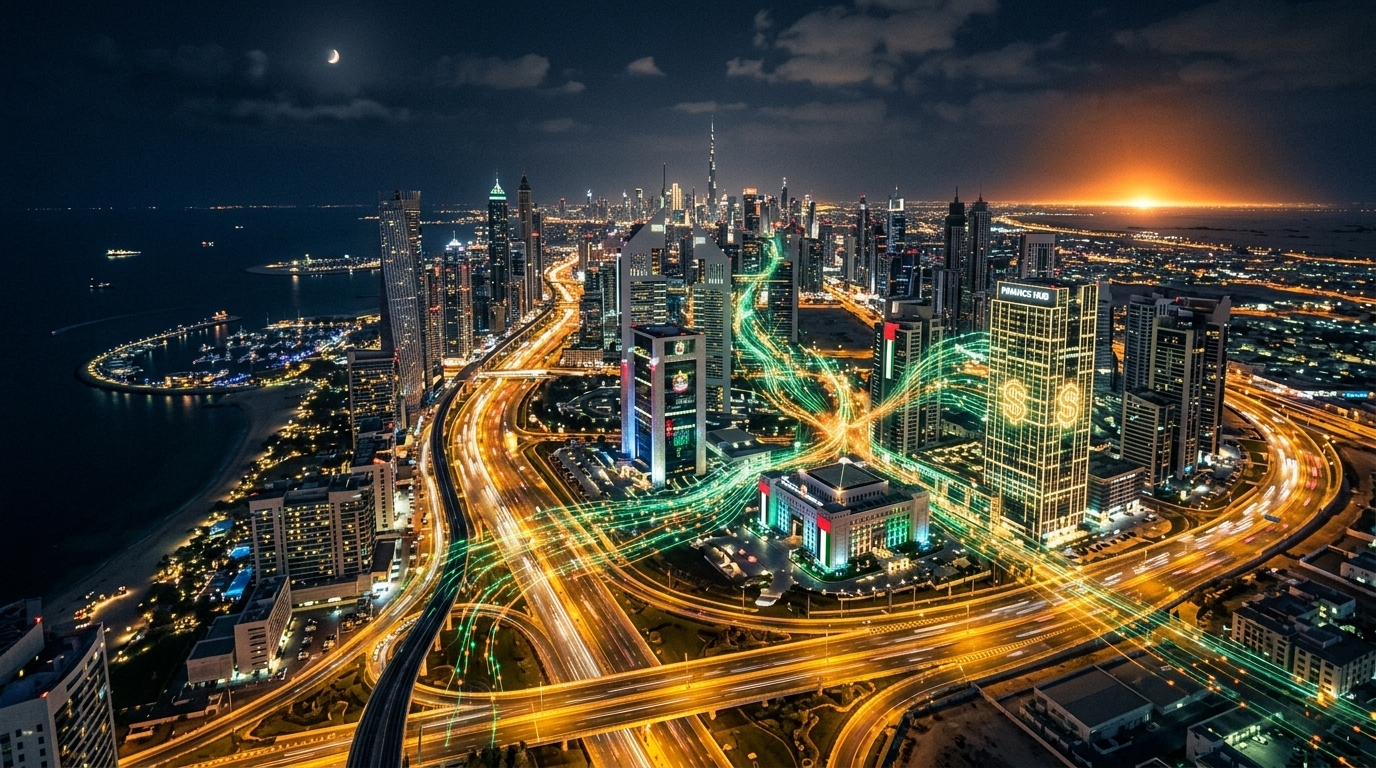
Over the last three years, Gulf nations have been doing something quietly aggressive. Saudi Arabia launched Vision 2030. The UAE built one of the most crypto-friendly regulatory environments on the planet. Abu Dhabi started positioning itself as a hub for digital finance. Qatar, Bahrain, and others are not far behind.
These aren't just policy announcements. They're signals from governments that have capital, ambition, and a genuine urgency to modernize. The question was never whether the Middle East would go digital. The question was always: what infrastructure would it run on?
That question is what makes $SIGN interesting to me not as a trading asset, but as a structural bet.
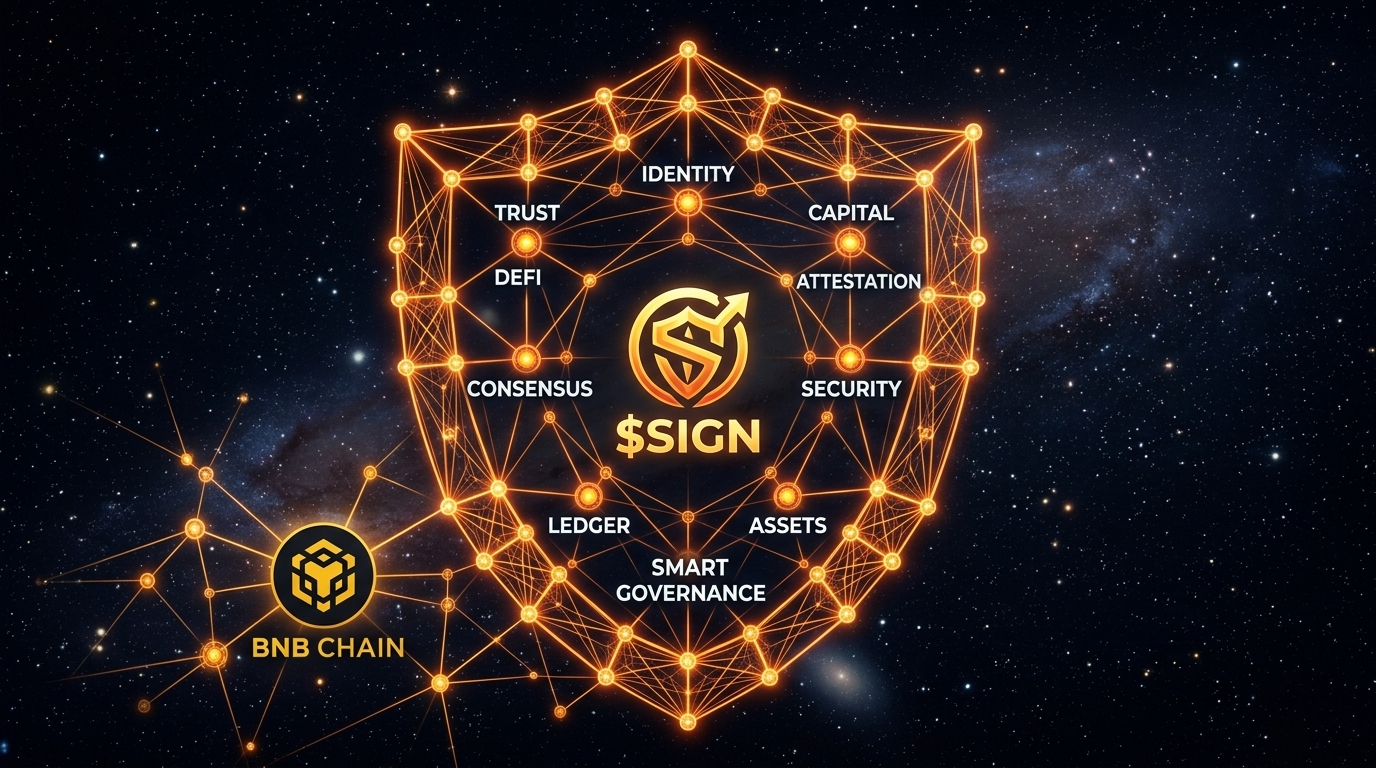
Sign is not building another DeFi protocol or an NFT platform. It is building what it calls sovereign-grade infrastructure tools that governments and institutions can use to manage digital identity, verifiable credentials, token distribution, and on-chain agreements at a national scale. The three pillars are Sign Protocol for attestations, Token Table for capital distribution, and Sign Pass for identity. Together they form something that a country can actually deploy, not just a retail user browsing a wallet app.
The Abu Dhabi partnership announced in late 2025 was the first real confirmation that this isn't just a whitepaper vision. A dedicated office opening in 2026, direct engagement with institutional players in the Gulf these are not the moves of a project chasing narrative. These are the moves of a project that found a real customer.
And the timing matters.
Middle Eastern governments are actively solving problems that Sign is directly built for. How do you issue a national digital identity without creating a surveillance nightmare? How do you distribute benefits, grants, or digital currency to citizens efficiently and without fraud? How do you build cross-border financial infrastructure that multiple countries can actually trust and verify?
These are not hypothetical problems. They are live policy challenges being worked on right now inside government offices across the Gulf.
What Sign brings is a blockchain-native answer that doesn't require rebuilding everything from scratch. Attestations that are verifiable across chains. Token distribution systems already tested at scale through Token Table. Identity infrastructure that puts credential ownership with the individual, not the database.
The backers are worth noting too. Sequoia Capital, YZi Labs, Circle these are not firms that fund concepts. They fund infrastructure bets with long time horizons. That profile fits exactly what Sign is trying to become.
I'll be honest about what I don't know. Government adoption at national scale is slow, political, and unpredictable. Partnerships announced today can take years to show real results. The Middle East opportunity is real but it is not guaranteed, and Sign will have to execute consistently in an environment where trust is earned through reliability, not marketing.
But here is what I keep coming back to.

Most crypto projects are searching for a problem to solve. Sign walked into a region full of governments actively searching for solutions and showed up with working infrastructure, institutional backing, and a category name that fits: Sovereign Infrastructure for Global Nations.
That's not hype. That's positioning.
The Middle East digital economy is being built right now. The foundation it runs on is still being decided. That's the window Sign is operating in and it's not a small one.
$SIGN #SignDigitalSovereignInfra @SignOfficial