

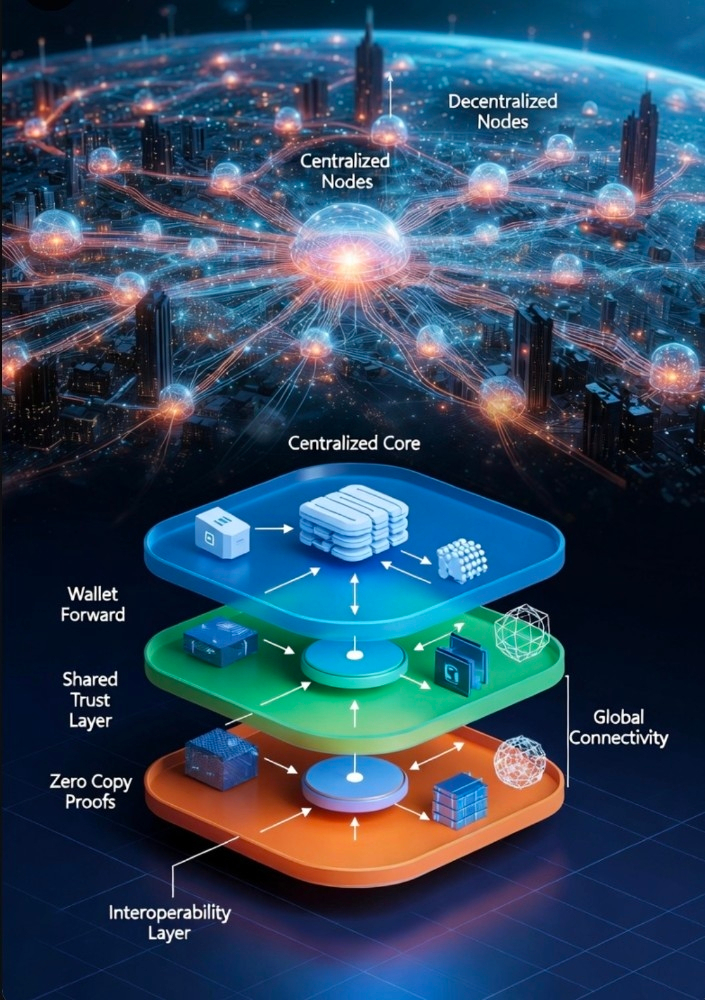
In the digital world, architecture is policy written in systems. Most countries adopt one mode, but the reality is that countries do not live in one mode.
Even the most wallet forward designs still need a shared trust layer.
Even the most centralized systems still need interoperability.
Even the best exchange fabrics still need a better way to prove facts without copying databases everywhere.This powerful framing, shared publicly by Sign on March 15, 2026, has quickly become a touchstone for discussions on sovereign digital infrastructure. As nations race to modernize identity, money, and capital systems amid geopolitical tensions, quantum risks, and AI driven verification challenges, the hybrid reality Sign highlights is no longer theoretical it's the operating model defining 2026's most ambitious deployments.

Sign Global, the project behind the SIGN token and Sign Protocol, positions itself as sovereign grade infrastructure for national systems. Backed by heavyweights like Circle, Sequoia, and YZi Labs, Sign has surged in relevance this year. In early March 2026, SIGN's price more than doubled amid heightened volume, reaching peaks around $0.052 before stabilizing near $0.047, reflecting market recognition of its role in building resilient, on chain layers that can sustain economic functions even when legacy systems falter. The protocol's omni chain attestation design allows tamper proof credentials_IDs, licenses, certifications to be issued and verified across blockchains without heavy gas costs or chain specific silos.Why does this matter now? Because 2026 marks a pivotal year for digital nation building. Europe's EUDI Wallet rollout accelerates, with member states required to provide compliant wallets by year end. India's Aadhaar ecosystem continues expanding its open API layers, powering real time services for over 1.4 billion people. Emerging markets from Singapore's SingPass evolutions to pilots in Africa and the Caribbean are layering blockchain anchors onto existing centralized roots. The common thread? No pure model survives contact with reality.Wallet forward architectures promise user sovereignty through self-hosted credentials and selective disclosure. Yet, without a shared trust layer, they collapse into unverifiable fragments. Sign Protocol addresses this by providing an attestation schema layer where issuers governments, institutions define tamper proof records verifiable anywhere. Using omni chain design, a credential signed on one blockchain remains provable on others lightweight, efficient, and anchored in cryptographic truth rather than database copies. This shared root enables wallet ecosystems to scale nationally while preserving cross border utility.Centralized systems face the opposite pressure: isolation kills utility. A national biometric database excels at scale but becomes a liability without interoperability. Sign's approach integrates with existing stacks think India Stack's open APIs or Estonia's X-Road by adding on-chain attestation as a lightweight verification overlay. Governments retain control over issuance while gaining portable, fraud resistant proofs that interoperate globally. No need for massive data replication; just cryptographic attestations that travel freely.The third imperative proving facts without database duplication is where Sign shines brightest. Traditional exchanges rely on PDFs, repeated uploads, or API calls that expose full records. Sign Protocol enables zero-copy proofs: attest a fact (e.g., valid citizenship, accredited degree via verifiable credentials with selective disclosure and zero-knowledge options. Revocation happens instantly through on chain registries, not by syncing databases. This minimizes privacy risks, slashes attack surfaces, and aligns with regulations demanding data minimization.Real deployments underscore the shift. Sign's reference architectures guide nations in building hybrid systems: centralized anchors for trust, decentralized wallets for control, omni chain attestation for interoperability, and privacy preserving proofs for exchange. In high stakes areas like port clearances, welfare distribution, or cross border finance, these layers turn policy into executable code enforcing sovereignty, privacy, and efficiency simultaneously.Critics argue hybrids introduce complexity. In practice, they reduce it. Pure centralization invites breaches and citizen resistance. Pure decentralization risks chaos without institutional anchors. Hybrids let policymakers encode values deliberately: national control where needed, citizen ownership where possible, global flow where essential.
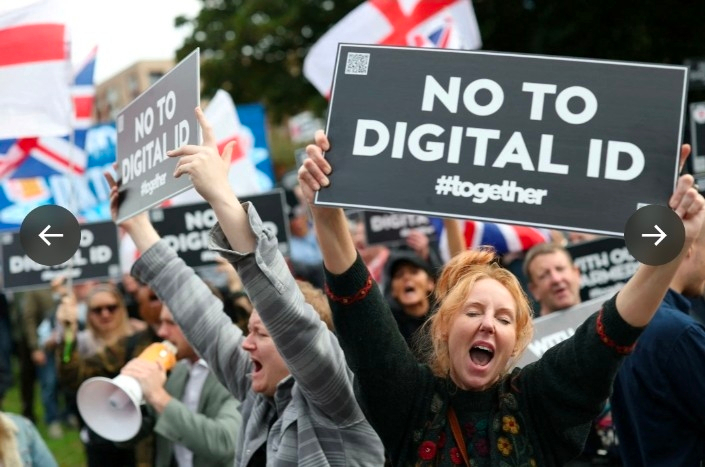
For nations like Pakistan, with robust national ID foundations and rising digital ambitions, Sign's model offers a clear path. Layer omni chain attestation atop existing systems for verifiable credentials, integrate wallet interfaces for user control, adopt open standards for private sector innovation, and use on chain proofs to eliminate duplication. The result: an hourglass architecture narrow, sovereign compliant waist supporting explosive innovation above and below.
As quantum threats loom, AI fakes proliferate, and data sovereignty becomes geopolitical, 2026 demands maturity over ideology. Sign's March statement isn't just rhetoric it's a blueprint. Wallet-forward needs trust anchors. Centralized needs interoperability. Exchanges need zero copy proofs.
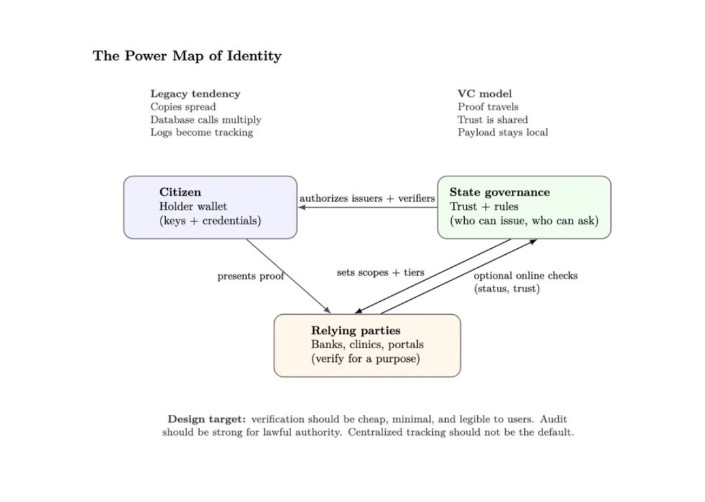
The countries that engineer this harmony blending modes while honoring borders, citizens, and connectivity will lead the digital century. Those pursuing singular visions risk building systems that policy outgrows. In a world where architecture literally is policy, the winners write it wisely, in systems that endure.
@SignOfficial #SignDigitalSovereignInfra #Sign $SIGN
