
The United Arab Emirates is rapidly positioning itself as a global epicenter for robotics and autonomous systems, driven by a strategic imperative to transition toward a knowledge-based, technologically advanced economy. This commitment is fueled by major government initiatives, including the Dubai Future Foundation's Dubai Robotics and Automation Program, which aims to integrate robotics across key sectors. The UAE's approach isn't merely incremental; it's a quantum leap toward a future where automated systems underpin infrastructure, transportation, logistics, and service delivery, particularly within its specialized free zones. The 'ROBO TOKEN' platform, with its established infrastructure in these strategic areas, is a testament to the speed and ambition of this integration.
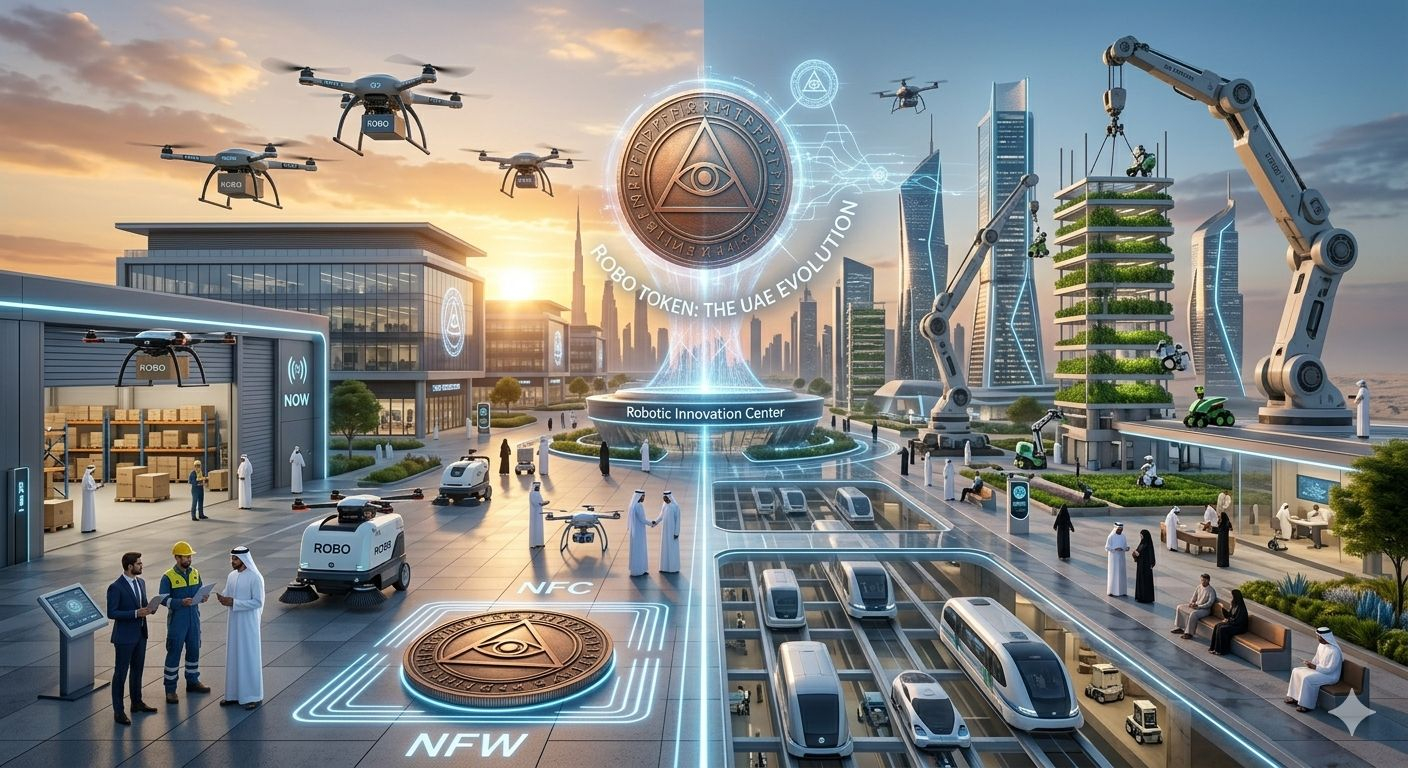
The UAE's environment is uniquely conducive to rapid robotic deployment. Its world-class infrastructure, clear regulatory frameworks within free zones, and massive capital investment create a sandbox for developing and scaling cutting-edge tech. We see driverless taxis already on the roads in Dubai, advanced autonomous cargo movers optimizing ports, and delivery drones navigating the skies. This ecosystem, supported by dedicated AI research centers and global technology partnerships, accelerates the entire cycle from innovation to practical application. The presence of specialized platforms within Free Zones like the 'AI Research' hubs shown in the image provides the necessary secure and advanced testing grounds for autonomous systems to evolve faster than perhaps anywhere else in the world.
Looking ahead, the development of robotics in the UAE will profoundly change the world on multiple levels. It is creating the ultimate model for the fully automated smart city. If autonomous transportation can be proven safe, efficient, and cost-effective on a city-wide scale in Dubai, it will set the global standard, forcing other major metropolises to adapt or risk becoming obsolete. This isn't just about local efficiency; it’s about establishing the blueprint for the global economy's next phase.
Crucially, the UAE’s focus on the 'Robotic Interface' rather than human-like androids is key. It's about designing systems that are efficient for machines, such as dedicated underground logistics networks, smart pavement sensors for robot traffic management, and automated charging/maintenance hubs. The global impact of this architecture will be a revolution in efficiency. When global supply chains interface with UAE-designed automated ports and logistics hubs, the ripple effect will be a dramatic reduction in international shipping costs and carbon footprints.
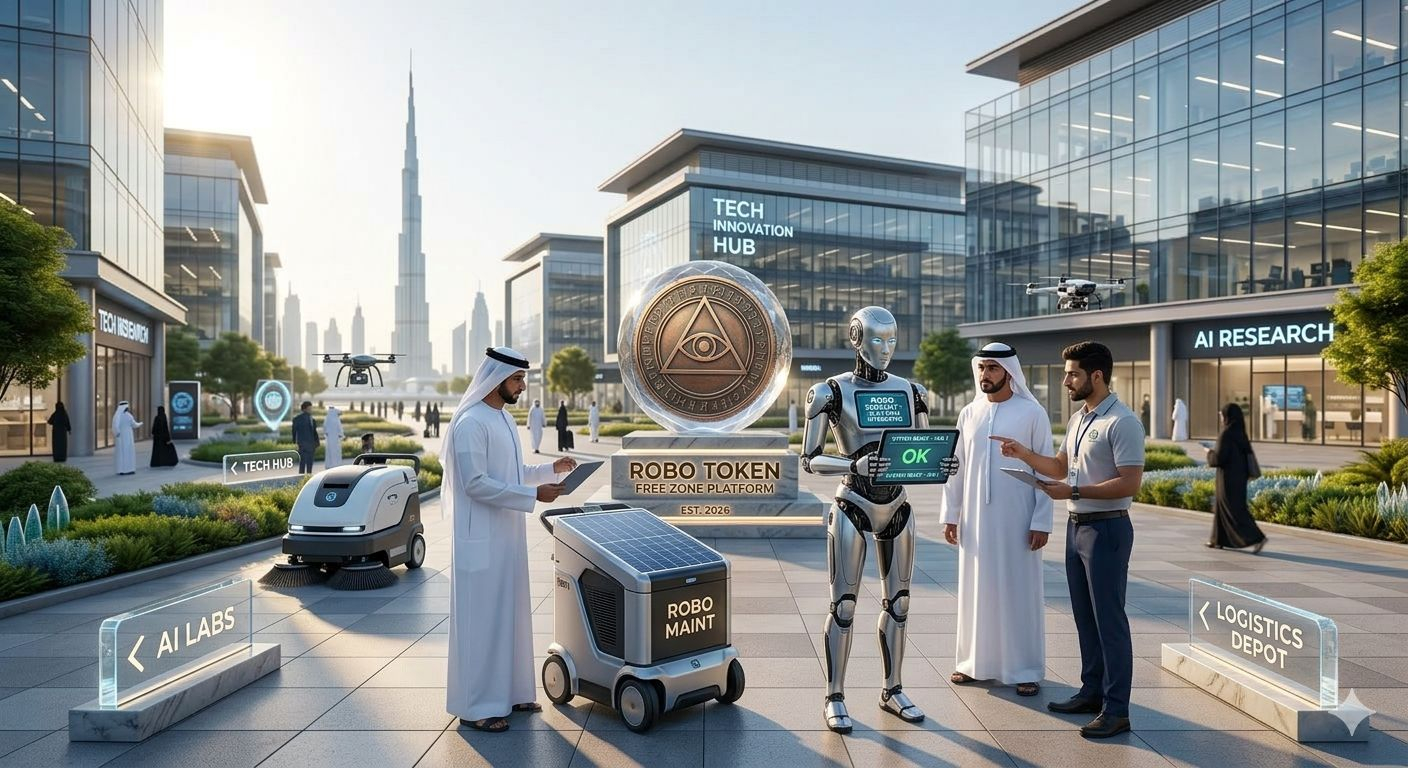
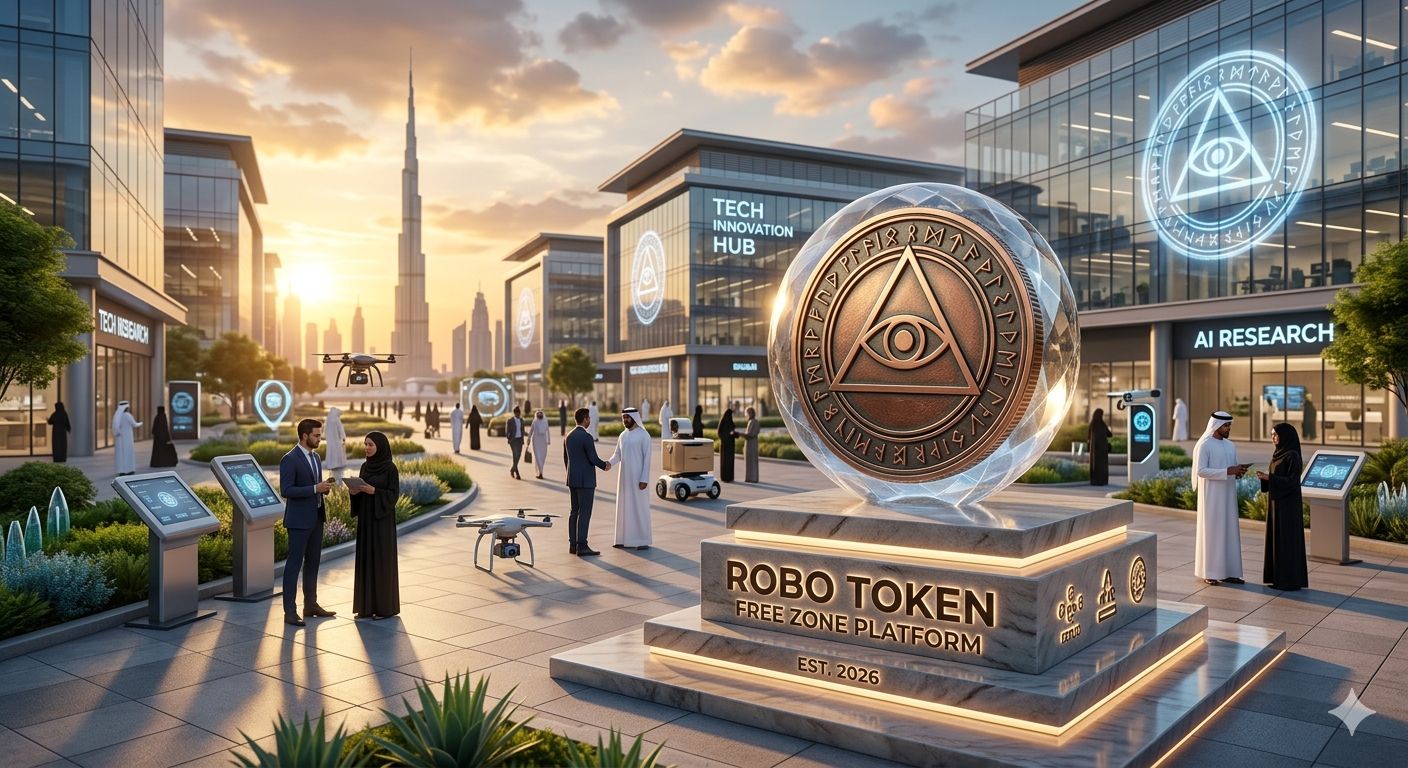
Furthermore, the scale of deployment in the UAE acts as a critical laboratory. If mass-produced service robots can safely coexist with humans in complex environments—managing sanitation, public safety, and customer service—other nations will rapidly follow. The UAE is solving the complex technical and social challenges of large-scale robotic integration today, paving the way for the global adoption of autonomous services tomorrow. It is not an exaggeration to say that within a decade, the core architectural principles of how we move goods, people, and manage city resources globally will be traced back to the advancements currently being made in the UAE's robotic sector.
@Fabric Foundation $ROBO #ROBO #DrAnees
