
The conversation around AI is shifting fast. It’s no longer just about software models or chat interfaces. The real frontier is Physical AI, where machines interact directly with the real world.
From autonomous robots to smart manufacturing systems the question isn’t just what they can do but who controls them and how decisions are made. That’s where Table Bonds enters the picture.
At its core, Table Bonds proposes a decentralized governance layer designed specifically for Physical AI systems. Instead of relying on centralized authorities or closed corporate structures. It introduces a model where stakeholders can collectively participate in decision making. This becomes critical as robots and autonomous systems start handling real-world tasks with real consequences.
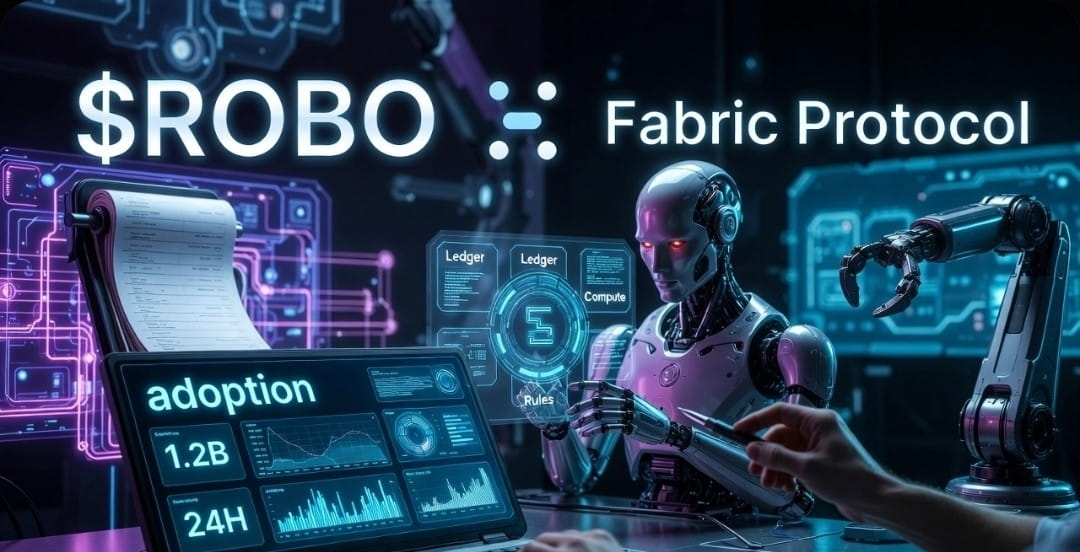
One of the most interesting aspects of Table Bonds is its emphasis on verifiable computing. In simple terms, it’s about ensuring that what an AI system claims to do can actually be proven. This matters a lot in Physical AI. If a robot is managing logistics, operating machinery or assisting in healthcare, there needs to be a transparent and tamper-proof way to verify its actions. Without that, trust becomes a major bottleneck.
I was thinking about this earlier today after seeing how quickly people jump into AI-related tokens without asking deeper questions. I’ve made that mistake myself, getting caught up in narratives without understanding the underlying mechanics. Projects like Table Bonds force a different kind of thinking. It’s less about hype and more about accountability.
Another key idea here is governance. Traditional systems often rely on a top-down approach, where a small group makes decisions for the entire network. Table Bonds flips that by introducing decentralized governance structures. Participants whether developers operators or even end users, can have a voice in how systems evolve. This could lead to more balanced and adaptive ecosystems, especially as Physical AI becomes more embedded in daily life.
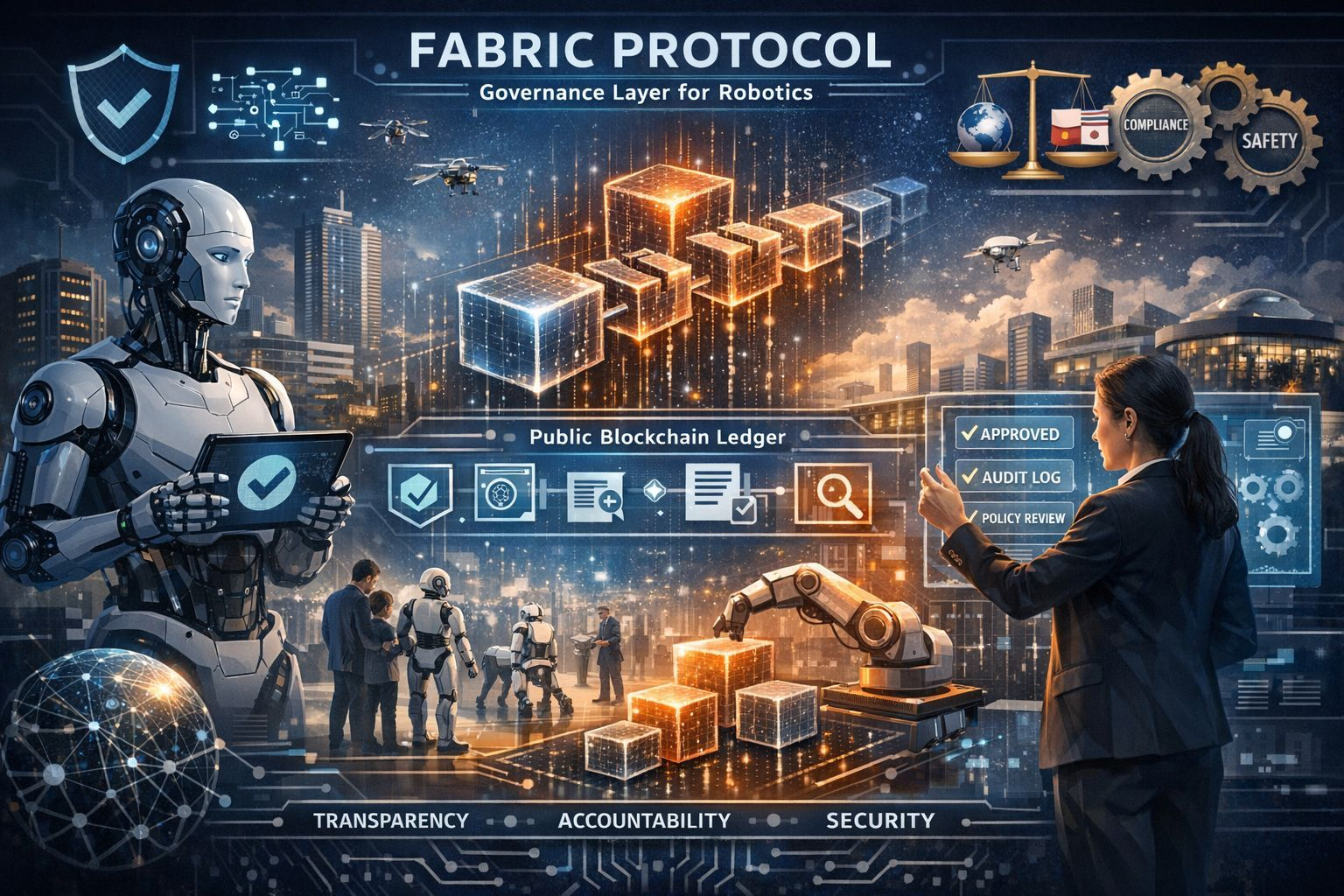
What really stands out is the bridge it tries to build between humans and machines. Physical AI isn’t just about automation, it’s about interaction. Humans need to trust and understand the systems they work with. Table Bonds aims to create that bridge by combining transparent computation with shared governance. It’s not perfect and like any early-stage concept, there are plenty of challenges ahead. But the direction is compelling.
Of course, execution will be everything. Many projects start with strong ideas but struggle to deliver at scale. Questions around scalability, security and real-world adoption will ultimately define whether Table Bonds succeeds or fades away.
Personally, I’m approaching this with cautious interest. I’m not rushing in but I’m paying attention. The idea of combining decentralized governance with verifiable AI operations in the physical world isn’t something you see every day. If it works, it could reshape how humans and machines collaborate.
In a space often dominated by short-term thinking, Table Bonds brings a longer-term perspective. And honestly, that alone makes it worth watching.