I’ve noticed something subtle about liquidity lately. It’s not disappearing, it’s just getting shorter in patience. Capital moves in, tests a system, then rotates out fast if it doesn’t find something sticky. That matters now because most protocols still assume users behave like long-term participants, but the flow feels more like temporary alignment than commitment.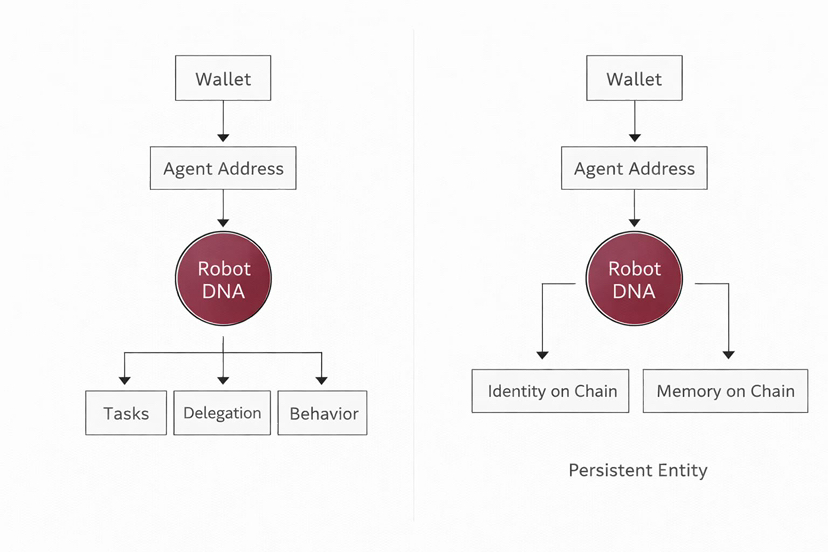
Looking at @Fabric Foundation , there’s an interesting shift in how identity ties into that behavior. Recent activity around $ROBO shows more interactions coming from repeat agent addresses rather than one-off wallets. Not huge yet, but enough to notice. It suggests machines or at least persistent identities might hold liquidity differently than humans do. If participation is tied to a trackable “entity” with memory, does that slow down the constant churn we’ve been seeing?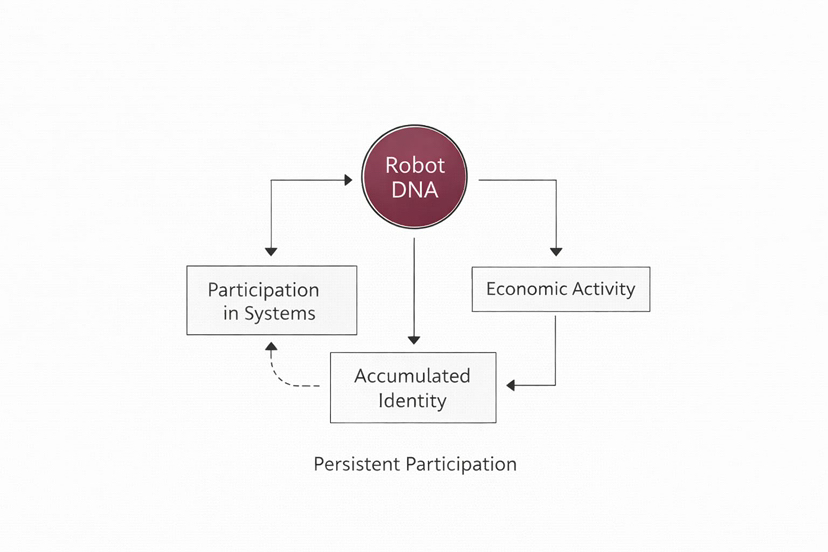
That’s where #ROBO starts to feel less like a token and more like a coordination layer. If robots or agents carry history on-chain, they don’t just provide liquidity they build a record. And maybe that changes incentives in a quiet way. Instead of chasing the next pool, participants might start thinking in terms of continuity. I’m still figuring out what that means in practice, but it does make the whole system feel a bit less disposable.