
In the rush to embrace digital economies, the most common mistake is to focus on visibility over substance. Platforms rise and fall on hype, while the underlying architecture—the systems that verify identity, distribute value, and coordinate trust—often goes unnoticed until a failure makes it painfully visible. In regions like the Middle East, where governments, enterprises, and emerging digital communities are navigating rapid economic transformation, the stakes are higher. A misstep in digital infrastructure can ripple across entire economies. That’s why @SignOfficial is positioning Sign as more than a token—it is becoming the invisible backbone of secure, sovereign digital operations. By combining robust credential verification with reliable token distribution, Sign ensures that trust is no longer assumed, but encoded directly into the infrastructure itself.

At first glance, credential verification may seem mundane compared to flashy financial instruments or speculative token launches, but the reality is different. Every digital transaction—whether granting access to a service, validating a claim, or distributing a token—relies on trust. Without verified credentials, systems are exposed to fraud, duplication, and operational friction. Sign addresses this by providing a scalable verification framework that is flexible enough for governments, enterprises, and decentralized communities alike. With $SIGN at the heart of these operations, the network allows economic interactions to occur in a controlled, auditable, and predictable environment. For the Middle East, where regulatory expectations and cross-border commerce are rapidly evolving, this layer of trust is not optional—it is essential.
Beyond the mechanics of verification, Sign’s token distribution architecture is equally critical. Distributing tokens is not merely about moving value; it is about ensuring that each unit of digital currency reaches its intended recipient with integrity, traceability, and compliance. $SIGN functions as both an operational token and a proof point of trust in the network. Every distribution event becomes a transparent, verifiable action that reinforces the network’s reliability. For enterprises deploying incentive programs, governments experimenting with digital assets, or ecosystems coordinating multi-party initiatives, this reliability removes a major source of operational risk. Sign is not offering an abstract promise of efficiency—it is embedding efficiency and accountability into the core of digital infrastructure.
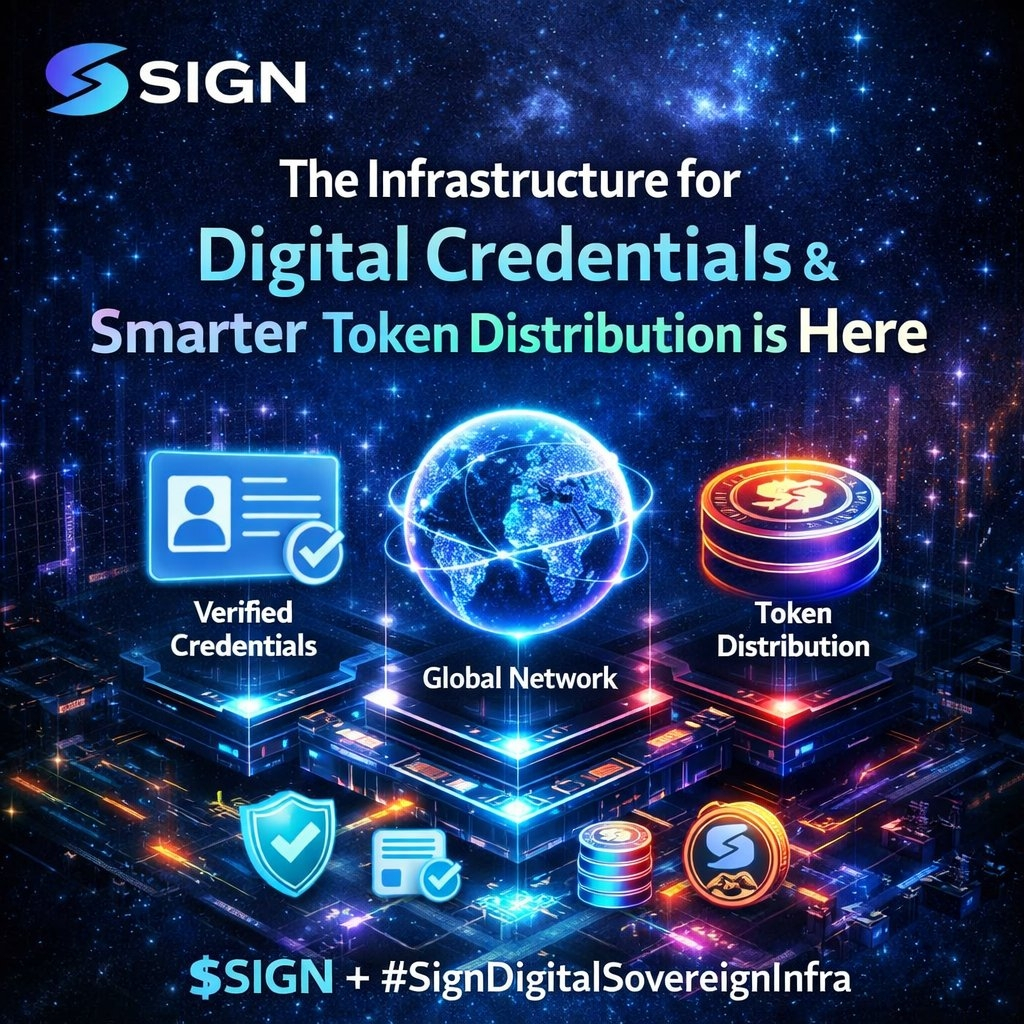
Trust infrastructure is often undervalued because its benefits are subtle. Users rarely notice the system that ensures their credentials are valid or their tokens are correctly allocated until something goes wrong. But in large-scale economic transformations, invisible failures compound quickly. Sign’s model flips this paradigm: it treats trust as a first-class component of system design. By integrating credential verification and token distribution into a single, auditable framework, @SignOfficial provides an environment where innovation can occur without sacrificing control. $SIGN is the instrument that operationalizes this trust, bridging the gap between abstract protocol and tangible utility. In a region where digital initiatives are expanding faster than legacy oversight mechanisms can manage, this convergence of reliability and scalability is invaluable.
The Middle East presents a unique canvas for infrastructure-first approaches. Economies in the region are actively pursuing digital transformation strategies, from national identity platforms to cross-border financial networks. Each initiative encounters the same fundamental challenge: how to coordinate multiple actors, preserve sovereignty over data, and ensure that digital interactions are secure and auditable. Sign directly addresses these challenges by offering a framework that respects sovereignty while providing operational flexibility. Governments can validate citizens’ credentials securely, enterprises can onboard partners efficiently, and communities can coordinate token-based incentives—all without sacrificing control or transparency. $SIGN, circulating through this network, becomes more than a financial token; it embodies the integrity of the system itself.

This approach reframes how we think about digital growth. For too long, the narrative in crypto has been about adoption metrics, media hype, or speculative price performance. Sign shifts attention to the layers beneath—the infrastructure that enables those outcomes to be sustainable. When a Middle Eastern government or enterprise adopts Sign’s platform, it is investing not only in a tool but in a network of trust that can scale with the economy. Credential verification and token distribution are not optional components—they are structural necessities that define whether digital initiatives can succeed or collapse. $SIGN operationalizes these functions, creating measurable utility beyond abstract promises.
Consider the implications for cross-border trade and regional collaboration. Digital transactions between multiple entities—whether commercial, governmental, or civic—often fail due to misaligned trust frameworks. With Sign, those transactions are supported by a standardized, verifiable layer where identities are confirmed, and tokens are allocated predictably. This reduces friction, prevents errors, and allows for coordinated growth that aligns with regulatory and operational requirements. For a region seeking to position itself as a hub of digital innovation and economic sophistication, these capabilities are transformative. They allow stakeholders to experiment and scale without exposing themselves to unnecessary risk.
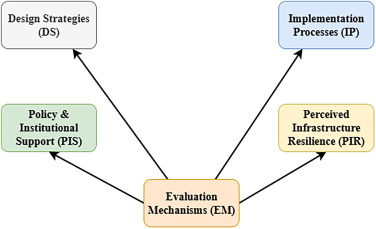
Sign’s model also emphasizes long-term resilience. Infrastructure that merely meets immediate needs will falter as complexity grows. By embedding verification and distribution into a modular, auditable framework, Sign creates the conditions for systems that can evolve. $SIGN functions as both a practical instrument and a symbolic representation of a network where every action is accountable. As digital ecosystems mature in the Middle East, the ability to maintain sovereignty over identity, coordinate incentives reliably, and ensure auditable transactions will distinguish successful initiatives from failed experiments. Sign is quietly establishing itself as the framework that makes these distinctions possible.
This is the quiet promise of digital sovereignty. It is not flashy, and it does not dominate headlines, but it underpins sustainable economic growth. For investors, technologists, and policymakers who understand the difference between hype and structural utility, Sign offers a model for how trust, coordination, and identity can be codified at scale. By integrating credential verification with token distribution, @SignOfficial provides a single, coherent network that reduces uncertainty and increases operational confidence. $SIGN is the lifeblood of this network, translating infrastructure into actionable reliability.
Looking ahead, the importance of invisible infrastructure will only grow. As the Middle East continues to embrace digital transformation, the organizations and economies that prioritize verified, auditable, and sovereign systems will have a distinct advantage. Sign is not a fleeting trend—it is a foundational layer that allows governments, enterprises, and communities to coordinate complex interactions securely and transparently. In a digital economy where trust is scarce but essential, the work being done by Sign is quietly defining what sustainable growth looks like. Every credential validated and every $SIGN token distributed strengthens an ecosystem where digital operations can scale responsibly.
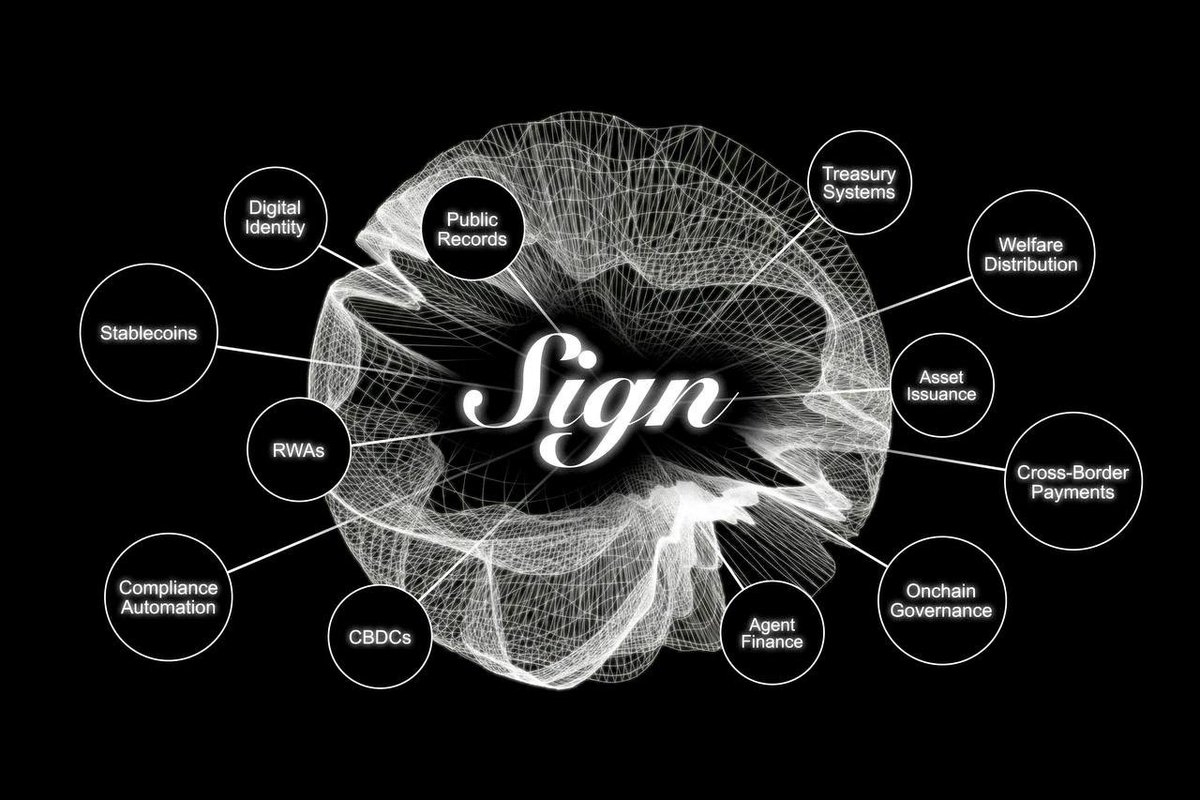
By focusing on infrastructure before speculation, Sign reminds us that the future of digital economies is built in layers. Visibility and adoption matter, but the invisible mechanisms that ensure trust, verification, and reliable distribution define the trajectory of long-term growth. The Middle East, with its ambitious digital strategies and rapidly evolving markets, stands to benefit immensely from these foundations. Sign’s approach demonstrates that true digital sovereignty is possible when infrastructure is treated as the strategic priority it deserves to be.
@SignOfficial $SIGN #SignDigitalSovereignInfra
