
I’ve been watching infrastructure projects for long enough to recognize when something is being built with intentionality rather than just chasing the latest trend. @SignOfficial falls into the former category, and the more I examine the layers they’re assembling, the more I appreciate the quiet rigor behind it.
Let’s start with the technology side, because blockchain infrastructure is often where projects either overpromise or underdeliver. What stands out here is the absence of unnecessary complexity. The architecture feels designed around actual usage rather than theoretical throughput. There’s a clarity to how transactions settle, how data is structured, and how external systems interface with the chain. It’s not trying to be everything to everyone. Instead, there’s a focus on being reliably useful—something that tends to age better than hype-driven feature lists.
But technology alone doesn’t sustain a network. Governance does. And this is where I think many projects stumble. They launch with a token and a DAO framework, but participation remains shallow, and decision-making becomes either too centralized or too chaotic. What I’ve observed with @SignOfficial is a governance culture that actually treats community input as something more than a checkbox. There’s a deliberateness to how proposals are structured, how feedback is incorporated, and how accountability is maintained. It’s not flashy, but it feels sustainable. That matters when you’re talking about systems meant to operate for years, not just through the next market cycle.
Then there’s the smart contract layer. Anyone can deploy contracts. The harder part is ensuring they’re secure, upgradeable where necessary, and genuinely useful for developers building on top. I’ve looked at the tooling and documentation, and there’s a consistency there that signals maturity. Contracts aren’t treated as isolated pieces of code but as components of a larger ecosystem. That approach reduces friction for builders and lowers the likelihood of the fragmented experiences that plague so many networks.
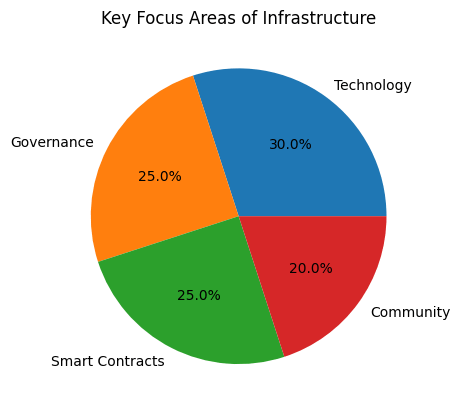
What ties these three elements together—technology, governance, and smart contracts—is a philosophy I’d describe as patient construction. There’s no sense of rushing to market with unfinished pieces. Instead, there’s a willingness to let the infrastructure mature alongside the community that uses it. That kind of alignment is rare. Most projects optimize for short-term attention. This one seems optimized for longevity.
I’m not here to make predictions or offer advice. I’m simply noting that when you spend enough time in this space, you start to recognize the difference between projects built to capitalize on a moment and those built to outlast it. $SIGN falls into the latter category for me. The foundation is solid, the governance is thoughtful, and the developer experience reflects real-world considerations rather than marketing copy.
Curious to see how the next phase unfolds as more builders and participants discover what’s already here.