
O sinal parece muito mais com a papelada sem glamour do cripto do que uma máquina de hype chamativa e, honestamente, é exatamente por isso que se destaca para mim agora.
Estou nesse espaço há tempo suficiente para que "empolgante" não mova mais a agulha. O hype está em toda parte; é barato e geralmente de curta duração. O que realmente permanece são os projetos que silenciosamente abordam os verdadeiros e irritantes pontos de atrito que nunca desaparecem, não importa quantas corridas de alta vejamos.
O sinal chamou minha atenção porque é focado em uma dessas dores de cabeça persistentes: descobrir quem realmente se qualifica para acesso, recompensas, alocações, reivindicações e então realmente entregar valor a eles sem que tudo exploda em caos.
Parece entediante de propósito. Problemas secos são aqueles que perduram porque ninguém mais quer lidar com eles.
Pense em como a maioria dos projetos de cripto ainda lida com elegibilidade e distribuições: é frequentemente um pesadelo de planilhas desatualizadas, instantâneas de carteira puxadas em horários aleatórios, filtros manuais de Excel, intermináveis casos extremos e alguma pessoa de operações sobrecarregada se esforçando para consertar as coisas depois que a equipe de hype já pulou para a próxima narrativa. Eu vi esse padrão se repetir tantas vezes que nem dou mais o benefício da dúvida a projetos; alguns simplesmente ignoram isso até que se torne um desastre público.
O Sign é construído precisamente em torno desse ponto de dor. Em sua essência, está tentando criar uma ponte limpa e confiável entre prova e ação. Se alguém tem a credencial certa, atinge um marco, pertence a um grupo ou ganha uma alocação, isso não deveria ser um registro interno frágil que desaparece em escala. Deveria ser verificável na cadeia, à prova de adulteração e diretamente utilizável para coisas como distribuições de tokens ou controle de acesso.
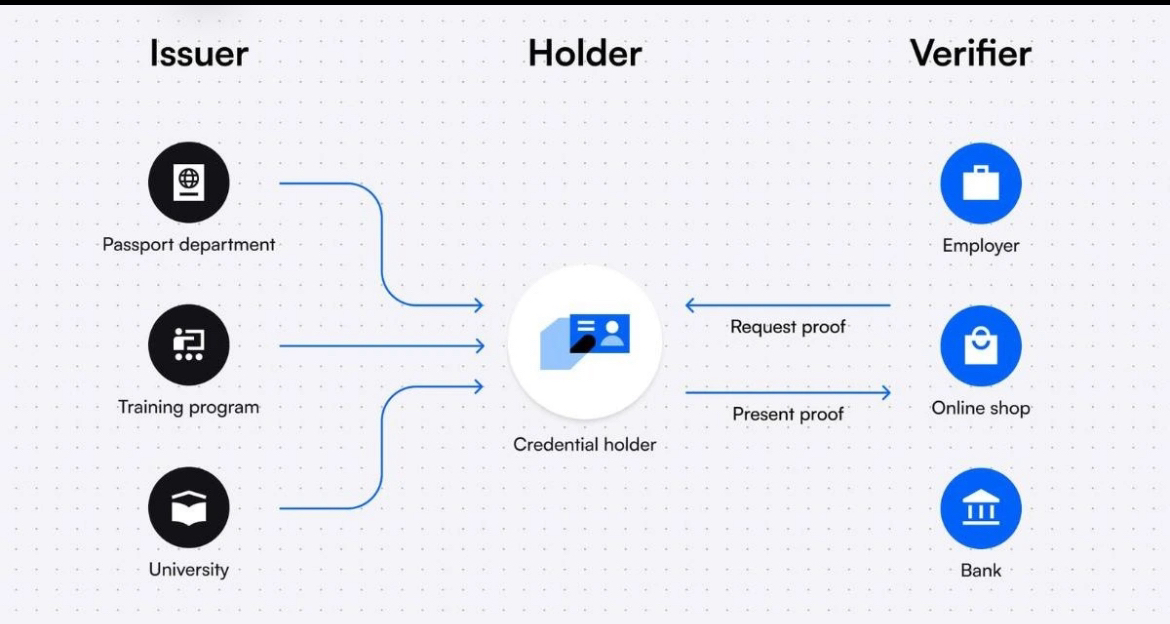
Esse fluxo clássico de emissor → detentor → verificador captura exatamente o que o Sign possibilita: transformar credenciais em algo provável e utilizável em sistemas sem confiar em uma parte central.
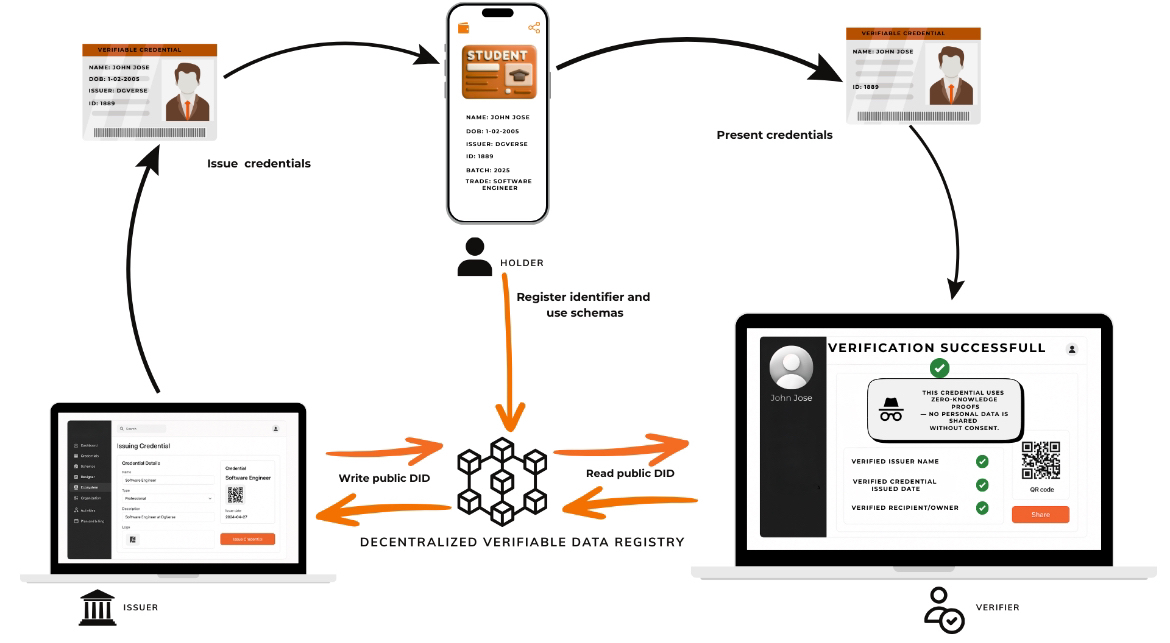
Aqui está um olhar mais detalhado sobre credenciais verificáveis em ação: emissão, manutenção e verificação sem vazar dados pessoais, o que se alinha perfeitamente com a maquinaria de prova cross-chain do Sign.
Essa é a parte mágica: fazer a verificação e a distribuição parecerem dois lados do mesmo sistema, em vez de tarefas separadas coladas juntas com esperança e trabalho manual.
A desconexão entre esses dois é onde tanta coisa quebra silenciosamente. Projetos pregam “justiça” até que tenham que realmente definir e fazer cumprir. Comunidades exigem transparência até que as regras as mordam. Equipes juram que querem distribuições limpas e auditáveis até que vejam o esforço real envolvido, então atalhos aparecem, desculpas se acumulam, pessoas são excluídas ou super-alocadas, agricultores exploram lacunas, e de repente é um fio de tweet pós-morte.
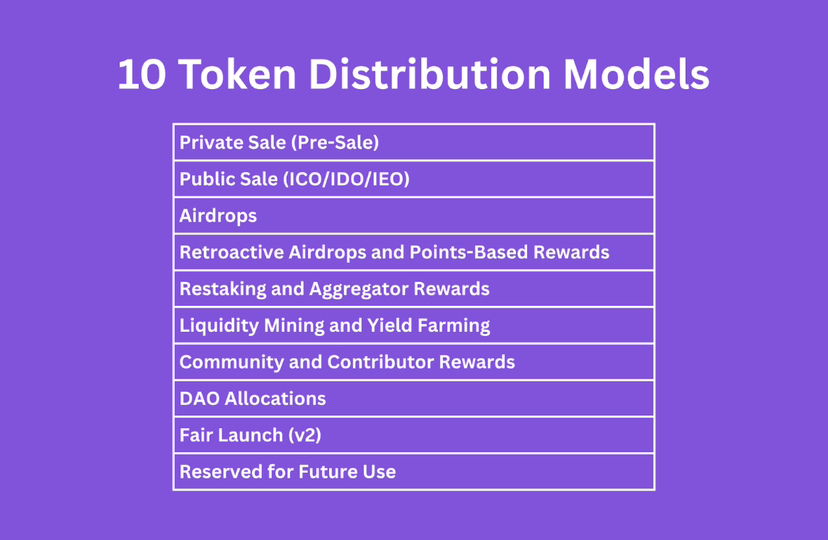
A distribuição de tokens não é simples; aqui está uma análise de 10 modelos comuns. As ferramentas do Sign visam tornar qualquer um desses mais limpos e menos propensos a abusos.
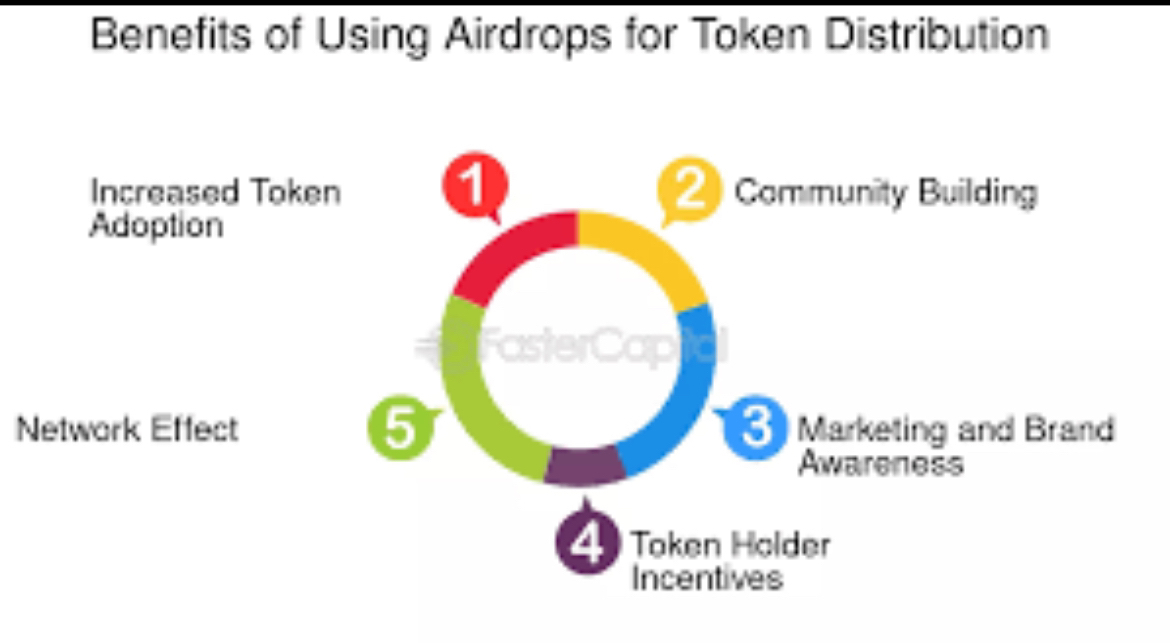
Mesmo algo tão “fácil” quanto um airdrop tem benefícios e armadilhas reais. O Sign tenta consertar a bagunça do backend que transforma boas intenções em drama.
O que eu respeito no Sign é que parece moldado por essas duras realidades, não por algum quadro de visão brilhante. Não está perseguindo novidade ou memes virais; está sentado na camada difícil onde os sistemas quebram sob pressão real: identidades confusas, credenciais fragmentadas, distribuições abusadas, registros inconsistentes. É quando todos de repente se lembram que a infraestrutura realmente importa.
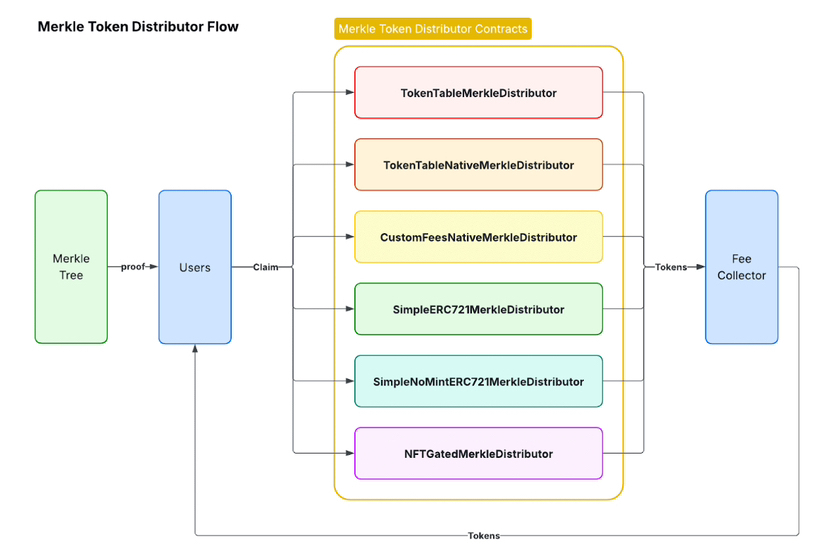 A distribuição baseada em Merkle mantém as reivindicações eficientes e verificáveis: prova submetida, tokens liberados, nenhum oráculo central necessário.
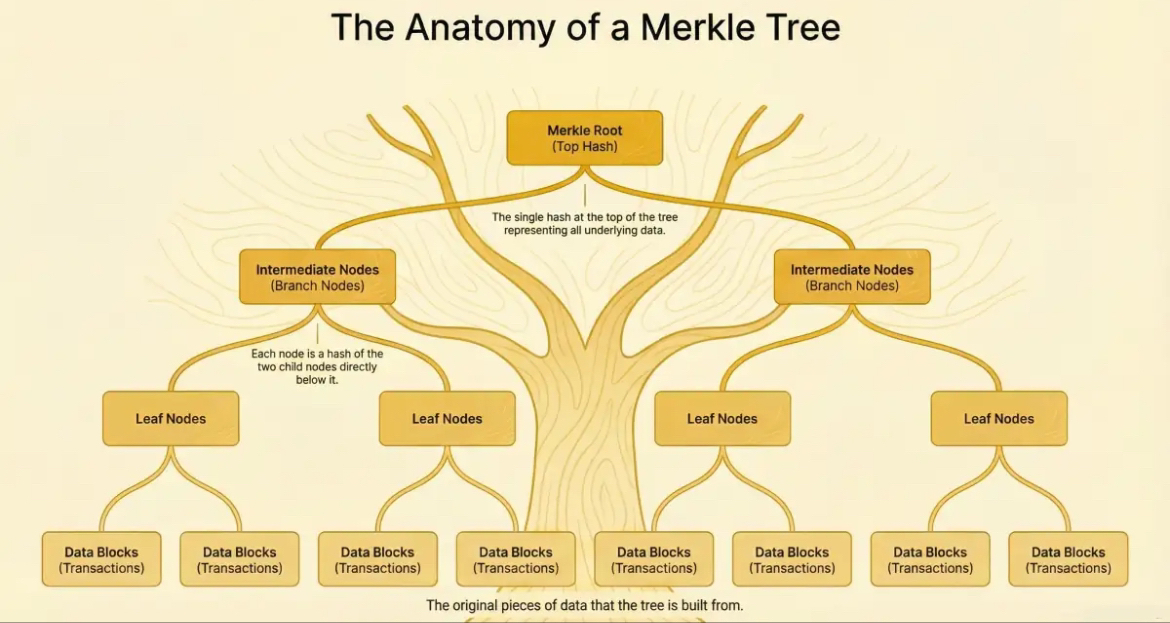
A árvore de Merkle em si: o hash raiz prova todo o conjunto, provas individuais permitem que os usuários reivindiquem sem revelar tudo. Escalável, privado e sem confiança, é o núcleo para lidar com grandes listas de elegibilidade.
E sim, uma vez que você começa a verificar a elegibilidade corretamente, você não está apenas movendo dados. Você está fazendo julgamentos reais: traçando linhas sobre quem pertence dentro das regras e quem fica de fora. Isso fica desconfortável rapidamente. Sistemas mais limpos expõem suposições e preconceitos que os bagunçados podem esconder na confusão. Regras mais claras não significam necessariamente resultados mais justos; elas podem apenas tornar a exclusão mais eficiente.
Mas eu ainda escolheria um projeto que está disposto a enfrentar essa tensão em vez de outro que recicla slogans de “comunidade em primeiro lugar” enquanto executa seu backend como uma planilha do Google montada às pressas.
Não estou chamando o Sign de à prova de balas; nada em cripto é. Grandes ideias ainda são mal executadas, enterradas sob maus incentivos ou pivotadas para bombas de tokens em primeiro lugar. O mercado ama espetáculo em vez de disciplina entediante.
O verdadeiro teste vem quando os documentos param de ser lidos e a pressão real atinge: usuários manipulando elegibilidade, comunidades lutando sobre critérios, exceções colidindo com regras, instituições exigindo controle sem total transparência. É aí que a apresentação morre e o projeto ou se sustenta ou desmorona.
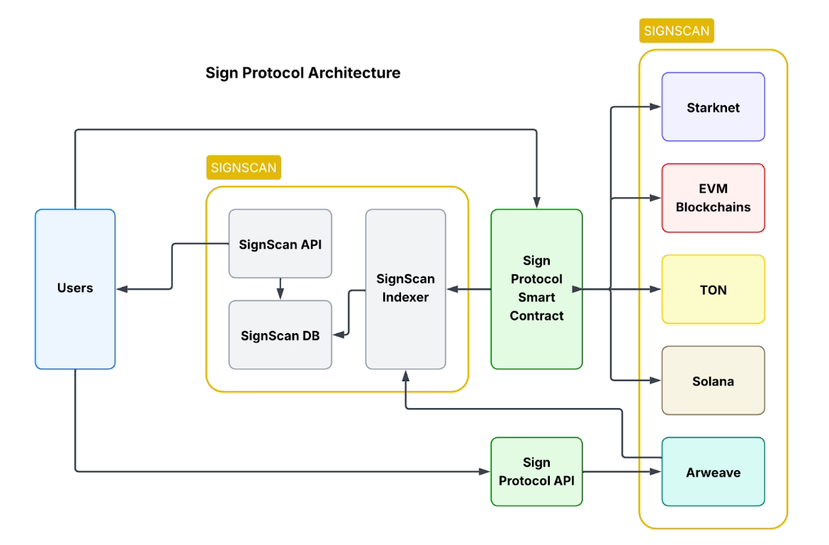
A própria visão geral da arquitetura do Sign abrange indexação cross-chain, APIs e contratos inteligentes que juntam tudo. Infraestrutura que realmente escala.
Por enquanto, o Sign parece mais fundamentado do que a maioria das coisas que cruzam meu feed. Não porque seja o mais inspirador ou o mais limpo, mas porque está ciente de onde realmente mora a dificuldade: em prova, acesso e distribuição justa. Essas são as falhas menos sexy, mas são aquelas das quais a vida digital depende cada vez mais.
Em um mar de narrativas recicladas, os projetos que valem a pena observar geralmente são aqueles que consertam a dor do back-office que ninguém mais toca. Confiança não é um sentimento, é um processo tedioso e irritante. O Sign parece entender isso.
#SignDigitalSovereignInfra @SignOfficial $SIGN
